
Baby Teething: Symptoms, First Teeth and Care in Konstanz
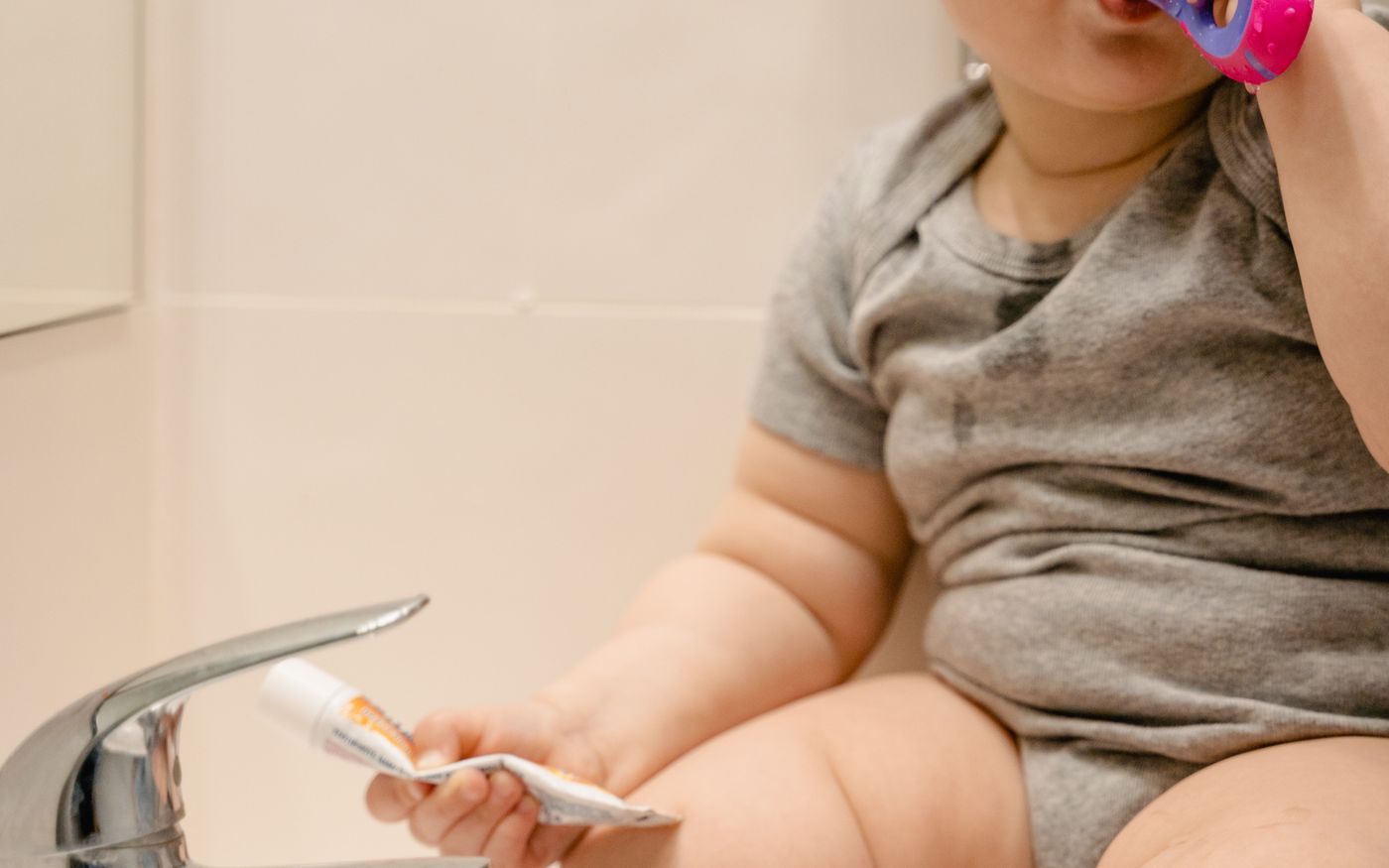
Quick answer: Baby teething may bring sore or red gums, extra drooling, chewing and mild fussiness, but a high fever, marked diarrhoea or a baby who looks unwell should not automatically be blamed on teething. Start brushing as soon as the first tooth appears, use an age-appropriate fluoride plan, and ask a dentist or paediatrician when unsure.
Reviewed by Dr. Kant Oektem. Last updated: August 2026.
Key points
- First baby teeth often appear during the first year, but the exact timing varies between children.
- Red or tender gums, extra drooling, chewing and mild fussiness can fit teething.
- High fever, marked diarrhoea or a generally unwell baby need a different assessment.
- Begin brushing the first visible tooth with a soft child-sized brush and an appropriate fluoride plan.
- An early dental check supports advice about brushing, diet, fluoride and prevention.
When babies teethe and which signs fit
Many babies get their first tooth around six months, while some start earlier or later. Timing alone does not show whether a child is developing normally. The order of the primary teeth can also vary within a broad normal range.
A red or tender gum, extra drooling, frequent chewing, one flushed cheek and a little more fussiness may occur. These signs do not prove that every symptom appearing at the same time is caused by teething.
- A red or tender area where a tooth is coming through.
- More drooling and chewing on clean objects.
- Mild fussiness or disrupted sleep for a few days.
- The first tooth may appear earlier or later than expected.
Safer ways to ease teething discomfort
A clean, chilled teething ring or cool washcloth may feel soothing for some babies. A teething ring should not be frozen hard. Gentle gum massage with a clean finger and close comfort can also help a baby settle.
Parents should not experiment with gels, homeopathic products or pain medicines. Ask the paediatrician or pharmacist about age, active ingredients and dosing. Amber necklaces should not be placed around a baby’s neck because of choking and strangulation risks.
- Offer a chilled teething ring from the refrigerator while supervising the baby.
- Massage the gum gently with a clean finger.
- Do not use frozen objects, necklaces or sharp foods for chewing.
- Use gels or medicines only with professional advice and according to the label.
Brushing from the first baby tooth
Oral care starts as soon as the first tooth is visible. A small, soft child-sized brush reaches the tooth better than a cloth. Guidance from German dental organisations generally recommends a rice-sized amount of children’s toothpaste containing 1,000 ppm fluoride; the right fluoride plan should reflect the child’s individual advice from a paediatrician and dentist.
Brush gently but consistently, and let the baby explore the brush under supervision. If a fluoride or vitamin D and fluoride supplement has already been prescribed, speak to the paediatrician before changing to fluoride toothpaste. Fluoride sources should not be combined without checking the plan.
- Brush the first visible tooth daily with a small, soft brush.
- Measure the toothpaste amount and have an adult lead the routine.
- Review tablets, toothpaste and water fluoride together with clinicians.
- A calm routine is more helpful than pressure or long negotiations.
Sugar, bottles and the first dental check
Primary teeth can develop decay soon after they erupt. Frequent sipping of sweet drinks, juice or sweetened tea is especially harmful. A bottle should not remain in a baby’s mouth for settling or sleeping. Plain water and unsweetened drinks are kinder choices for teeth.
An early dental visit can happen after the first tooth and no later than the first birthday in many patient guidelines. The visit is not only about examining a tooth: it is a chance to discuss diet, fluoride, brushing and prevention. For families in Konstanz, a calm early appointment makes those decisions easier.
- Avoid sweet drinks and constant sipping between meals.
- Do not clean a dummy, spoon or bottle teat with your own mouth.
- Offer plain water or unsweetened drinks for thirst.
- Plan the first dental check before pain or visible damage appears.
When to call a paediatrician or dentist
Fever, marked diarrhoea, vomiting, poor drinking, unusual drowsiness or a baby who looks generally unwell should not automatically be explained by teething. Contact your paediatrician if you are concerned or cannot tell whether the symptoms fit a minor teething phase.
Ask a dentist about white or brown marks, visible damage, persistent bleeding, swelling in the mouth or difficulty eating. Rapidly increasing swelling or breathing and swallowing problems are urgent and need immediate medical help.
- Ask the paediatrician about high fever or a clearly unwell baby.
- Show white or brown marks on the first tooth promptly.
- Do not wait with persistent pain, swelling or feeding problems.
- Get immediate medical help for breathing or swallowing problems.
Related guides for parents
You may also find our guides to the children’s dentistry service, fluoride toothpaste, dental sealants, dental check-ups, tooth decay and fillings and contacting the practice useful. These guides support preparation but do not replace an examination.
FAQ
When do babies get their first tooth?
Many babies get their first primary tooth around six months, but some start earlier or later. The sequence can vary too. If you are concerned about eruption, development or other symptoms, discuss them with your paediatrician or dental practice rather than relying on a timetable alone.
Which symptoms fit baby teething?
Red or tender gums, extra drooling, chewing and mild fussiness can fit teething. High fever, marked diarrhoea, vomiting or a baby who looks unwell should not automatically be blamed on teething and should be assessed by a paediatrician when you are concerned.
What can help a teething baby?
A clean chilled teething ring, a cool washcloth, gentle gum massage and comfort may help. Do not use frozen objects or amber necklaces. Parents should use gels and medicines only after checking the product, age and dose with a paediatrician or pharmacist.
When should I start brushing baby teeth?
Start brushing as soon as the first primary tooth is visible. Use a small soft child-sized toothbrush and an age-appropriate amount of toothpaste. The correct fluoride plan depends on the child’s overall fluoride sources, so discuss supplements and toothpaste with the paediatrician and dentist.
When should my baby see a dentist?
Arrange an early preventive visit after the first tooth and no later than the first birthday, following local guidance. The appointment covers the tooth, brushing, diet and fluoride. White or brown marks, swelling, pain or visible damage should be checked sooner rather than waiting.
Medical context and sources
These references support patient orientation and do not replace diagnosis, examination or individual treatment planning.
- NHS: Baby teething symptoms
- NHS: Take care of your teeth and gums
- American Academy of Pediatrics: When Does Teething Start?
- American Dental Association: Baby teeth
- KZBV: Fluoride for children (German patient guidance)
- zahn.de: Caring for children’s teeth (German patient guidance)
- gesund.bund.de: Preventive dental care for children (German government health portal)