
Cleaning Fixed Braces: Caring for Brackets Properly
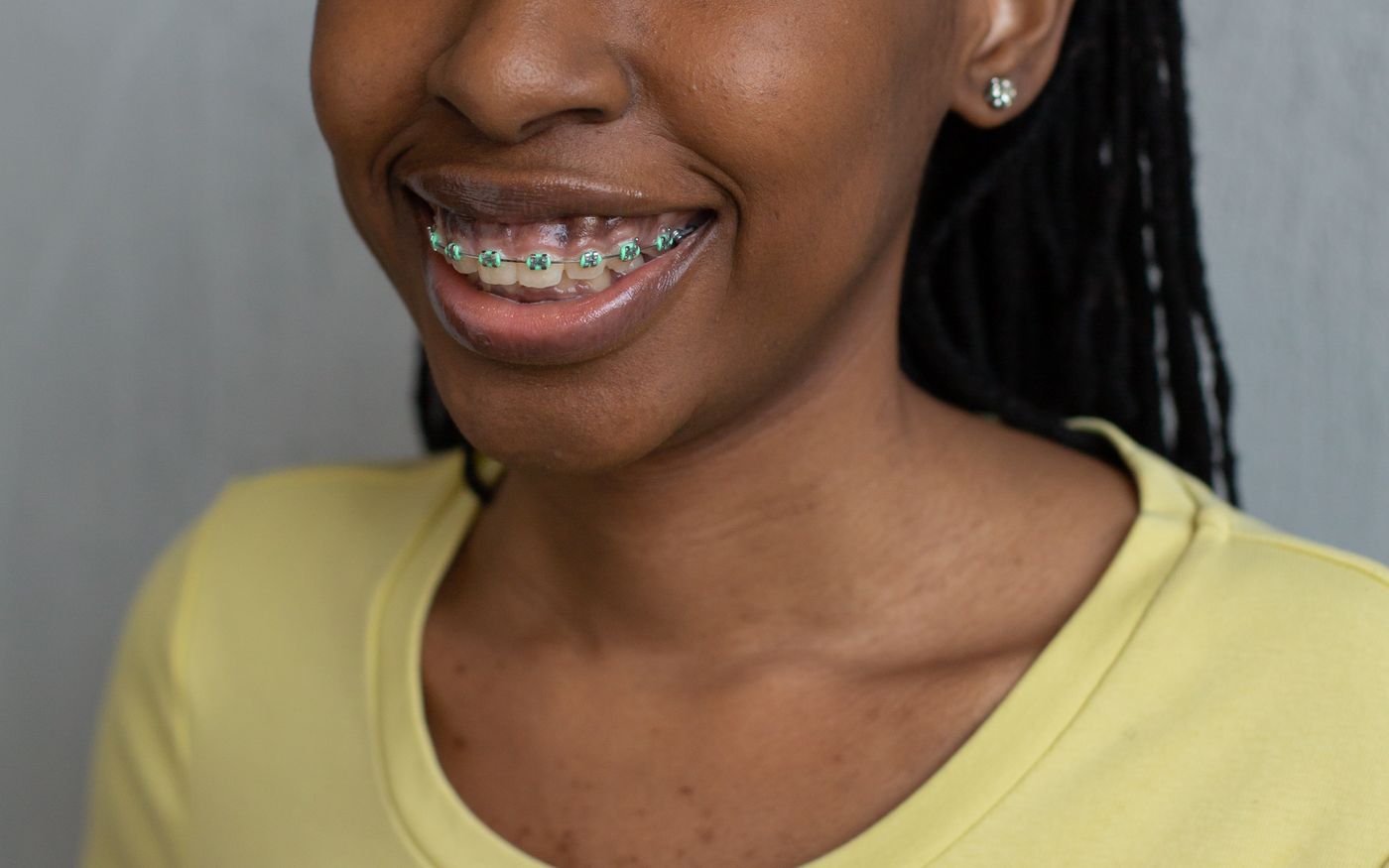
Quick answer: With fixed braces, clean your teeth and brackets carefully with fluoride toothpaste. Divide brushing into the areas above, on and below the brackets, and use interdental brushes daily around the wire. Brush after meals when possible; if you cannot, rinse with water and clean later. Ask the practice about bleeding, sore areas or a loose bracket.
Reviewed by Dr. Kant Oektem. Last updated: July 2026.
Key points
- Fixed brackets make cleaning harder and create additional places for plaque to collect.
- Brush above, on and below each bracket using light pressure.
- Use interdental brushes daily under the wire and around the brackets.
- Fluoride toothpaste, thoughtful snacking and regular checks work together.
- Report a loose bracket, irritating wire or persistently inflamed gums to the practice.
Why fixed brackets need extra care
Brackets, bands and archwires change the surfaces of the teeth. Food and plaque can collect more easily at the gumline, beneath the wire and around the bonding points. German statutory dental guidance and gesund.bund.de therefore stress very good oral hygiene and regular checks during treatment.
White or brown marks after brackets are removed are not something to simply accept as part of treatment. They may indicate demineralisation or decay. Daily cleaning is part of orthodontic care, not only a cosmetic concern.
- Brackets create additional hard-to-reach areas.
- Plaque can contribute to irritated gums and tooth damage.
- Regular checks assess teeth, gums and the appliance.
How to brush around brackets step by step
Brush with fluoride toothpaste and light pressure. Work along each arch in small sections: clean above the brackets, then directly around the brackets and finally below them. At the gumline, angle the brush gently without scrubbing the gums forcefully.
Use the same sequence each time so outer, inner and chewing surfaces are not missed. A mirror can be useful at the start, helping you see whether food or plaque remains around a bracket or under the wire.
- Use soft or individually recommended bristles.
- Clean above, on and below every bracket.
- Use small movements and controlled pressure.
- Check for missed areas in a mirror after brushing.
Interdental brushes and other cleaning aids
Interdental brushes are especially useful with fixed braces because they can be guided under the wire and between brackets. The correct size depends on the spaces in your mouth. It should clean the area without being forced through. A dental or preventive-care team can demonstrate the right size and direction.
Floss may be possible at very tight contacts with a floss threader, but it is more difficult around an archwire. A water flosser can help rinse out loose food particles, but it does not replace brushing and should be used gently so wires and brackets are not damaged.
- Use interdental brushes daily around brackets and below the wire.
- Never force a brush into a tight space.
- Use floss only with a suitable technique and personal instruction.
- Treat a water flosser as an addition, not a replacement for brushing.
Fluoride, food and daily routines
Fluoride toothpaste supports the tooth surface. Additional fluoride rinses or other products may be useful for selected risks, but they are not automatically needed by everyone. If you use a rinse, ask when it fits your routine so it does not simply dilute the toothpaste immediately after brushing.
Hard, sticky or very chewy foods can stress brackets and wires. Frequent sugary snacks and sweet drinks also increase cavity risk. If brushing is not possible after a meal, rinse with water and clean thoroughly at the next realistic opportunity.
- Use fluoride toothpaste according to individual advice.
- Be cautious with hard and sticky foods.
- Limit sugary drinks and frequent snacking.
- Carry a small toothbrush and suitable interdental brushes when travelling.
When to contact the practice
Tell the orthodontic practice about a loose bracket, detached band or irritating wire. Do not automatically wait for the next scheduled visit if a part is painful, injures the lining of the mouth or makes cleaning impossible. The practice can decide how quickly the appliance needs to be checked.
Very red, swollen or persistently bleeding gums, new white spots, increasing pain or clear pressure points also deserve personal advice. Rapidly increasing swelling or difficulty breathing or swallowing requires immediate medical help.
- Report loose brackets, bands or wires promptly.
- Do not respond to persistent bleeding or swelling by simply brushing harder.
- Have new marks or sensitive areas checked.
- Treat breathing or swallowing problems as urgent.
Related patient guides from the practice
You may also find our guides to dental treatment planning, retainer care after braces, interdental cleaning, fluoride toothpaste, professional cleaning and contacting the practice useful. These guides support preparation but do not replace an examination.
FAQ
How often should I brush fixed braces?
Brush thoroughly in the morning and evening, and where possible after meals. The key is to reach every tooth surface and the appliance. If brushing is not possible away from home, rinse with water and clean carefully with fluoride toothpaste at the next opportunity.
Which toothbrush is suitable for fixed brackets?
A soft or individually recommended toothbrush with a small head can make access easier. You will usually also need interdental brushes for brackets, wires and spaces. The preventive-care team should show you the right size and technique for your mouth rather than relying on a universal brush.
Can I floss with fixed braces?
Floss may be possible at very tight contacts with a threader, but it is more awkward around the archwire. Interdental brushes are often more practical. Ask the dental team to demonstrate the suitable method, and never force a cleaning aid through a tight space.
Do I need mouthwash with fixed braces?
Not automatically. A fluoride rinse may be useful for selected cavity risks, but it cannot replace brushing or interdental cleaning. The product and timing depend on age, risk and findings. Ask the practice before making a mouthwash a permanent part of your routine.
What should I do if a bracket comes loose?
Contact the orthodontic practice promptly about a loose bracket or irritating wire. Until you receive advice, protect the area and do not bend or glue anything yourself. An injury, increasing pain, swelling or difficulty swallowing makes assessment more urgent.
Medical context and sources
These references support patient orientation and do not replace diagnosis, examination or individual treatment planning.
- KZBV: Fixed orthodontic appliances (German)
- zahn.de: Cleaning braces (German)
- Consumer Advice Center: Fixed and removable braces (German)
- NHS: Braces
- Dorset County Hospital NHS: Advice for looking after a fixed brace
- American Association of Orthodontists: Oral hygiene during treatment
- University of Bristol Dental Hospital: Braces and dental health