
Antibiotics Before Dental Treatment With a Heart Condition in Konstanz
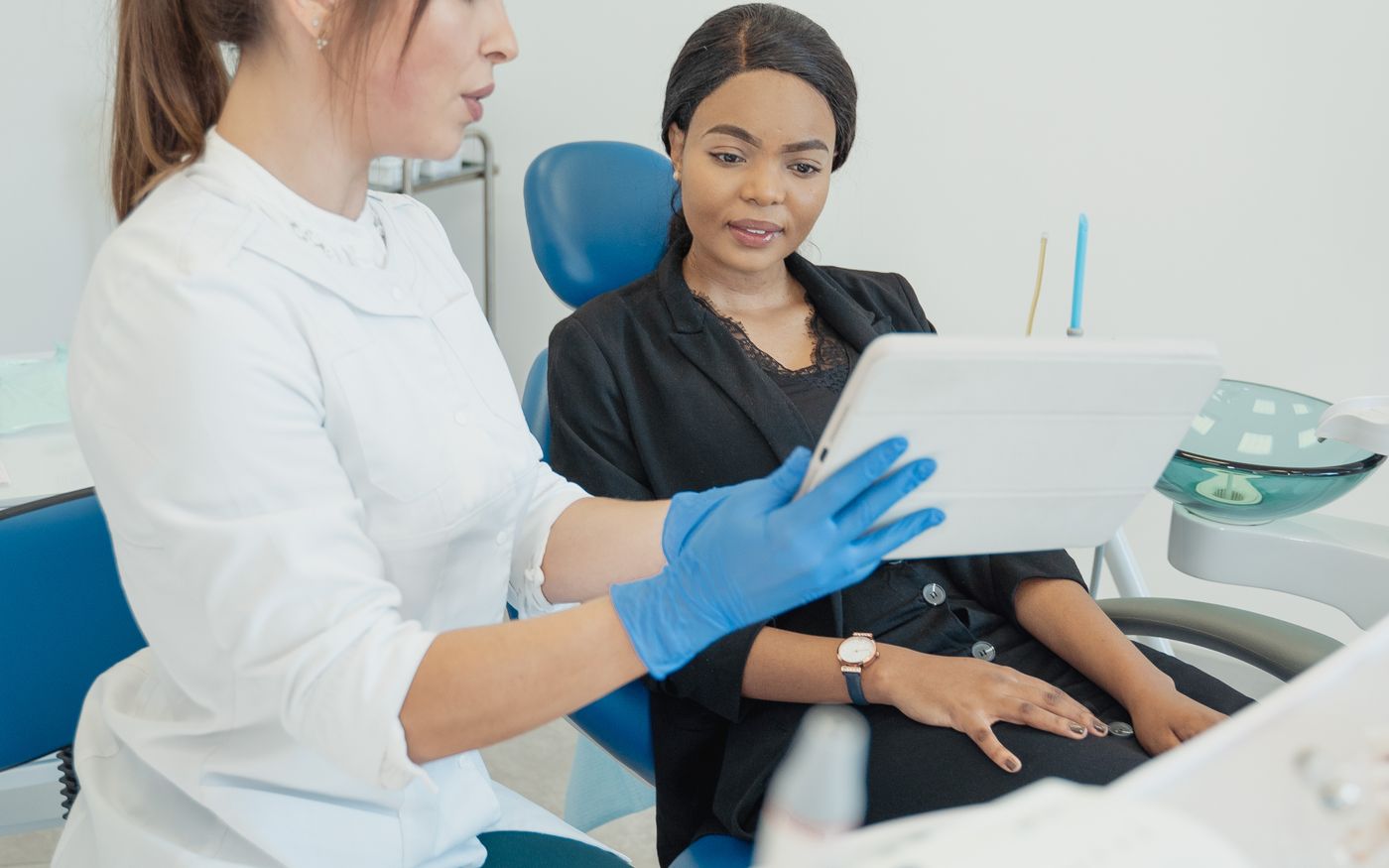
Quick answer: An artificial heart valve or previous infective endocarditis can make preventive antibiotics necessary before certain dental procedures. The decision depends on your specific heart condition and the planned treatment, rather than a general label of heart disease. Tell the practice beforehand, bring cardiac records and do not take leftover antibiotics on your own.
Editorially checked against current clinical sources. Updated: October 2026.
Key points
- Tell the dental team about an artificial heart valve or previous infective endocarditis before treatment.
- A prophylaxis decision combines the cardiac risk with the type of dental procedure.
- A pacemaker or an unspecified valve condition does not automatically mean preventive antibiotics are needed.
- Endocarditis prophylaxis does not replace treatment of an existing dental infection or daily mouth care.
- Unexplained fever or chills in someone at risk of endocarditis need prompt medical assessment.
The cardiac history and dental procedure belong together
Infective endocarditis is an infection of the inner lining of the heart, often involving the valves. Antibiotic prophylaxis is intended to reduce procedure-related risk in selected people at high risk. It cannot offer complete protection and is not part of every dental visit.
European guidance identifies people with an artificial heart valve or previous infective endocarditis among the important high-risk groups. Certain congenital heart conditions and other specific cardiac situations may also matter. For a repaired valve, the type of repair and material used are relevant details for the medical and dental teams.
A pacemaker, high blood pressure or a general diagnosis of valve disease does not by itself create an automatic need for dental antibiotics. Bring the actual cardiac records rather than relying on a broad label. In Konstanz, European ESC/DGK guidance provides the clinical framework; international references add patient information rather than replace local recommendations.
The planned treatment guides preparation
For high-risk patients, the relevant procedures involve working around the gums or root area, or breaking the lining of the mouth. Tooth removal and certain periodontal treatments may fall within this group. With professional cleaning, the work planned matters more than the appointment label alone.
A consultation or dental X-ray differs from an invasive procedure. The practice checks which treatment is intended and whether prophylaxis is recommended for your cardiac situation. Missing or unclear records may require a conversation with your cardiologist before the procedure.
Prevention and treatment of infection have different purposes
Without the relevant high-risk findings and procedure, preventive antibiotics are not automatically useful. When the indication fits, a targeted prescription can be part of the plan. The comparison considers the cardiac findings, dental work, expected benefit, side effects, coordination and limits. Neither approach is right for everyone.
An existing tooth infection needs its own diagnosis and treatment of the source, such as root canal treatment or drainage of an abscess. Whether antibiotics are also required depends on that assessment. An endocarditis-prevention plan does not replace definitive dental care.
Unnecessary antibiotics can cause adverse effects and contribute to resistance. Let the treating professionals decide on any prescription and instructions. Do not change antibiotics or cardiac medicines independently and do not use tablets left over from another illness.
Share records before travelling to Konstanz
Mention an artificial valve or previous endocarditis when arranging your appointment. Useful records include an endocarditis card, your current cardiology report, details of valve surgery, a complete medication list and descriptions of previous antibiotic allergies or reactions.
If your cardiologist is in Switzerland, bring the Swiss reports and the medical team’s contact details. Discuss how questions and any necessary prescription will be handled before the planned dental work. Visit numbers depend on the findings, available records and treatment; a planning consultation may take place before the procedure itself.
- Bring your cardiac diagnosis, operation details and endocarditis card.
- List current medicines, allergies and any antibiotics already started.
- Check who will arrange a prescription if prophylaxis is indicated.
- If you forget an agreed medication plan, call the practice before treatment instead of taking an improvised dose.
Mouth care and warning signs still matter
Daily cleaning and regular dental checks remain important even when prophylaxis has been prescribed. Ask about cleaning between teeth, gum inflammation and your individual review or professional-cleaning interval. Antibiotics do not replace these measures or the treatment of an infection source.
Unexplained fever, chills or a marked deterioration in general health need prompt medical assessment in someone with known endocarditis risk. Tell the clinician about your heart condition and recent procedures. Do not wait for a routine dental follow-up to report these symptoms.
Severe breathlessness, collapse or signs of stroke require an immediate emergency call: 112 in Germany or 144 in Switzerland. Rapidly increasing mouth or facial swelling with breathing or swallowing difficulty also needs immediate help. A website cannot safely diagnose these symptoms.
Further reading and arranging care
Our guide to antibiotics for dental infections explains treatment of an existing infection. The pages below provide further orientation on treatment planning, patient questions and arranging a visit. Share your cardiac history when contacting the practice.
FAQ
Do I need antibiotics for every dental visit with an artificial heart valve?
No. An artificial valve is an important high-risk finding, but the type of dental procedure also matters. Tell the practice about your valve replacement when booking. Your records help the dental and cardiac teams establish what preparation is needed for this particular appointment.
What if I have had endocarditis before or have a pacemaker?
Previous infective endocarditis is an important high-risk finding. A pacemaker alone does not automatically call for antibiotics before dental work. Other cardiac findings and the planned procedure still need assessment. Bring your cardiology report so the team can identify the relevant details.
Which records should I bring to the appointment?
Bring your endocarditis card, current cardiology report, valve-operation details, medication list and allergy information. Mention antibiotics already started. If your cardiac care is in Switzerland, the existing reports and your cardiologist’s contact details can help coordinate dental treatment in Konstanz.
Can I take leftover antibiotics just in case?
No. Leftover tablets may be unsuitable and can cause side effects. The treating professionals decide whether prophylaxis is indicated and provide the instructions. If you forget an agreed medication plan, contact the practice before the procedure rather than choosing a dose yourself.
Which symptoms need prompt attention after dental treatment?
Unexplained fever, chills or a clear deterioration need prompt medical assessment if you have known endocarditis risk. Mention your cardiac diagnosis and the procedure. Severe breathlessness, collapse or stroke symptoms require an immediate call to 112 in Germany or 144 in Switzerland.
Medical context and sources
These references support patient orientation and do not replace diagnosis, examination or individual treatment planning.
- DGK (German): Endocarditis pocket guideline, version 2023
- AWMF/DGMKG/DGZMK (German): Dental care before heart valve replacement
- ADA: Antibiotic prophylaxis before dental procedures
- AHA: Infective endocarditis, prevention and patient wallet card
- NHS: Endocarditis and warning signs
- BZÄK (German): Professional cleaning and individual prevention
- ADA: Antibiotic stewardship