
Dental Second Opinion in Konstanz: When It Helps
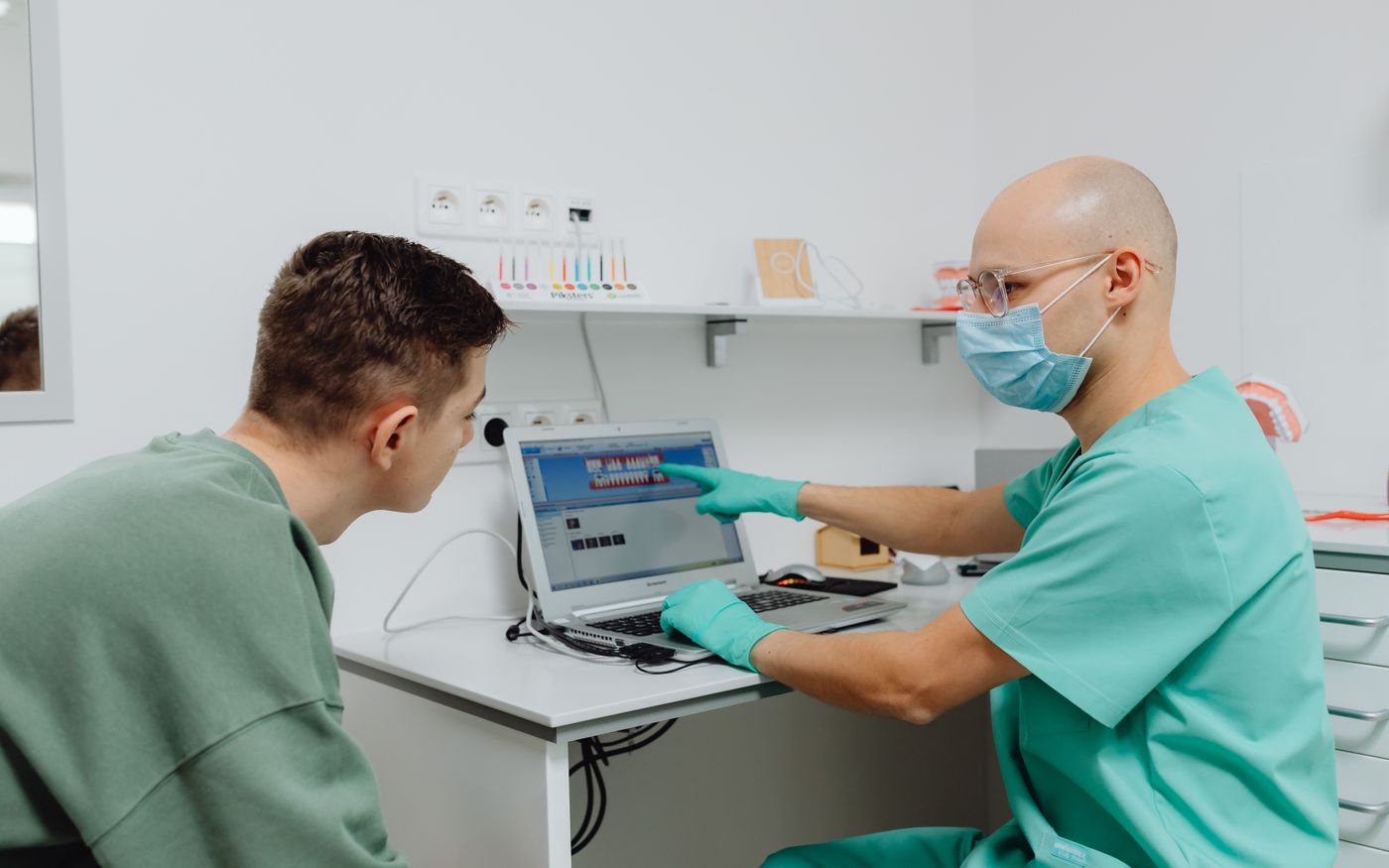
Quick answer: A dental second opinion can help before extensive, expensive or difficult-to-reverse treatment by clarifying the findings, treatment goal, alternatives, risks and aftercare. It requires another clinical assessment and, where possible, complete records. Swelling, fever or breathing and swallowing problems need timely first care and should not be delayed while you arrange another opinion.
Reviewed by Dr. Kant Oektem. Last updated: August 2026.
Key points
- A reliable second opinion follows a fresh examination and review of existing findings, not a photo or a price quote.
- It can confirm, refine or reconsider the diagnosis, prognosis, alternatives, risks, timeline and aftercare.
- Bring X-rays, findings, treatment and cost plans, medication information and your specific questions.
- In Germany, statutory patients may have access to the KZBV second-opinion model for a concrete denture plan under specific conditions.
- A second opinion does not replace urgent first care for swelling, fever or breathing and swallowing problems.
When a second opinion is especially useful
A second assessment is most useful when several treatment paths may be reasonable or when a decision has long-term consequences. Examples include extensive tooth replacement, implant or surgical planning, an uncertain prognosis and procedures that would be difficult to reverse later.
It is also reasonable to ask for more time when the first explanation is not clear or does not address your priorities. Seeking another opinion does not automatically mean you distrust the first practice. It can help you make an informed decision.
- Extensive tooth replacement, implant or surgical treatment is proposed.
- The diagnosis, prognosis or treatment goal is still unclear.
- You want to compare alternatives, risks or aftercare.
- The recommendation does not fit your priorities or daily life.
What a sound second opinion can do
A sound second opinion starts with a history, examination and review of existing records. Depending on the question, current imaging or further diagnostic work may be appropriate. The dentist should explain which findings are established, what still needs checking and how the recommendation follows from the assessment.
The consultation can clarify the diagnosis, urgency, prognosis, alternatives, risks, appointments, maintenance and expected costs. The second opinion may confirm, add to or differ from the first assessment. It is not a guarantee of a particular result and cannot replace a personal examination.
- Summarise the findings and treatment goal in plain language.
- Name realistic alternatives and their consequences.
- Explain risks, aftercare and possible further appointments.
- Record open questions and agree on the next step.
Which records to bring
Existing records make it easier to avoid unnecessary repetition and focus the consultation. In Germany, patients may inspect their treatment records and request copies. Ask the previous practice for X-rays, findings and plans in a usable format before the appointment where possible.
Also note when symptoms started, what has already been treated and which medicines or allergies matter. Missing records are not a reason to cancel a consultation. After examining you, the new practice can decide which current diagnostic steps are needed.
- X-rays, findings and dental or medical reports.
- Treatment plan, denture plan or cost estimate.
- Medication list, allergies and relevant health conditions.
- Timeline of symptoms, previous treatment and specific questions.
- Insurance documents if reimbursement needs to be discussed.
How the consultation usually works
The appointment begins by defining which decision you want to review. The dentist then discusses your symptoms, general health, previous treatment and existing images. An oral examination follows, with further imaging or tests only when they are clinically useful for the question.
By the end, you should understand which findings support the recommendation, which alternatives exist and what might happen if treatment is delayed. Take notes or ask for a clear summary. If there is no urgent danger, treatment does not need to start under pressure.
- Define the decision and your personal priorities.
- Review previous records and assess the current situation.
- Separate necessary, possible and deferrable steps.
- Leave time for questions and a plain-language explanation.
- Document the decision, records and next steps clearly.
Second opinions for dentures and treatment plans
For planned dentures in Germany, patient-advice services run by dental chambers and Associations of Statutory Health Insurance Dentists provide a separate route from a direct second opinion in a practice. The KZBV model concerns a concrete denture plan and explains the proposed treatment, statutory benefits, patient contribution and possible alternatives. Check the regional requirements.
This neutral advice is not the same as an online counter-offer. A treatment and cost plan cannot be assessed properly when the reviewer has not examined the patient or reviewed the history. A direct practice opinion includes an examination and individual explanation. Ask your insurer separately about reimbursement or coverage.
- Ask the regional patient-advice service how the denture model works.
- Bring the treatment and cost plan and the planned-treatment form.
- Discuss the proposed treatment, coverage, patient contribution and alternatives separately.
- Clarify private insurance or reimbursement questions with the insurer.
What to do when recommendations differ
Different recommendations do not automatically mean that one practice is wrong. Ask both clinicians which findings they are using, what goal they are pursuing and how they assess risks, maintenance, restorability or aftercare. Compare the same scope of treatment rather than isolated line items.
If important questions remain, a referral to a relevant specialist or another focused assessment may help. More opinions do not automatically create more certainty. The useful decision is the one supported by a clear explanation that fits your findings, priorities and realistic long-term care.
- Check whether both recommendations address the same findings and scope.
- Ask which evidence and assumptions support each recommendation.
- Clarify what may happen if treatment is deferred.
- Compare maintenance, aftercare, risks and future appointments.
- Ask for the open decision and next step in writing.
When not to wait for another opinion
A second opinion is for planned decisions. Increasing swelling, fever, pus, feeling seriously unwell, an injury, uncontrolled bleeding or rapidly worsening pain need timely dental assessment. Breathing or swallowing problems require immediate medical help.
Call the practice or dental emergency service and describe when symptoms began, how they are changing, whether there is swelling or fever and which medicines you take. Necessary first care can come before a later decision about dentures or another definitive treatment. Online information cannot identify the cause.
- Call promptly for swelling, fever, pus or clear deterioration.
- Treat breathing and swallowing problems as a medical emergency.
- After a dental injury, do not wait for a routine appointment.
- Arrange urgent first care before long-term treatment planning.
Related guides from the practice
You may also find our guides to choosing a dentist, crowns, bridges or implants, implant planning, root canal or tooth extraction, dental treatments, information for Swiss patients and contacting the practice useful. These guides support preparation but do not replace an examination or treatment recommendation.
FAQ
When is a dental second opinion useful?
It is especially useful before extensive tooth replacement, implant or surgical planning, a potentially irreversible treatment or an unclear diagnosis. Questions about alternatives, risks, prognosis, timing or costs can also justify another assessment. Necessary care should not wait when symptoms are acute.
Do I need a treatment and cost plan first?
No. A direct second opinion in a dental practice does not always require a treatment and cost plan. It can help before dentures, but the German KZBV model for a specific denture plan has its own requirements and should be checked with the regional patient-advice service.
Which records should I bring?
Bring available X-rays, findings, treatment or cost plans, a medication and allergy list, and relevant health information. Note your symptoms, previous treatment and key questions. If records are missing, the new practice can decide after examination which current diagnostic steps are needed.
Is a second opinion automatically better?
No. It may confirm, refine or change the first assessment, but it is not a guarantee of a particular result. The useful opinion is based on a fresh examination, clear reasoning, suitable alternatives, realistic risks and a decision you can understand.
Can I wait after getting a second opinion?
For planned treatment, taking time can be sensible when there is no immediate danger. Ask how long waiting is medically reasonable and what could happen meanwhile. Swelling, fever, increasing pain or breathing and swallowing problems need timely care instead of waiting for another consultation.
Medical context and sources
These references support patient orientation and do not replace diagnosis, examination or individual treatment planning.
- KZBV: Patient advice and the second-opinion model
- German Dental Association: Patient rights and second opinions
- Verbraucherzentrale: Dental second opinions and auction portals
- gesund.bund.de: Patient records and access to documents
- gesund.bund.de: Information, consent and second opinions
- American Dental Association MouthHealthy: Questions about dental visits
- NHS: Consent to treatment
- Healthdirect Australia: Referrals and second opinions