
Denture Sore Spots: When a Dental Check Helps
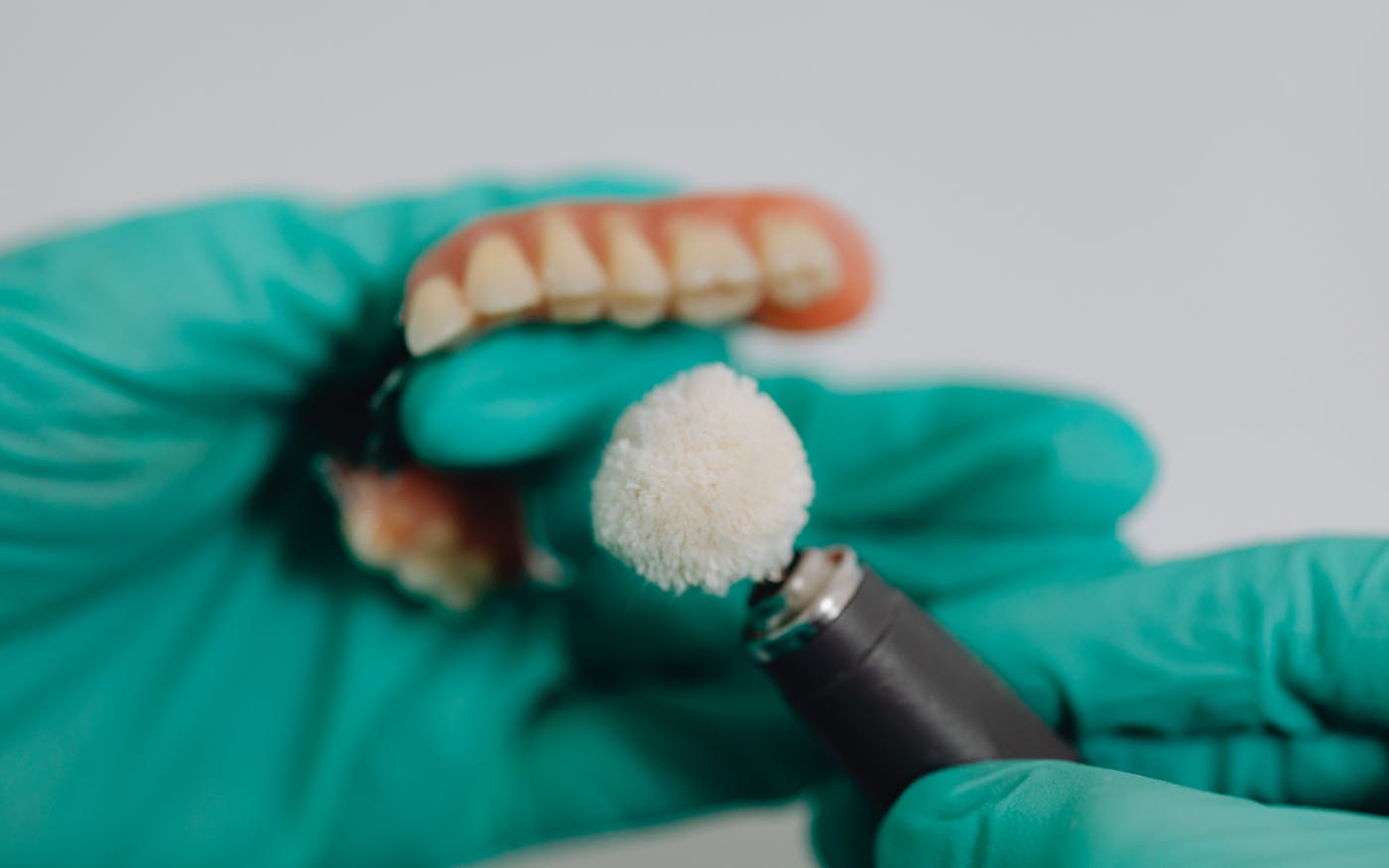
Quick answer: If a denture rubs or creates sore spots, the fit may be uneven or the mouth tissues may have changed. Short breaks can reduce irritation, but persistent rubbing needs a dental check. Do not adjust the denture yourself. The practice can assess pressure areas, retention, hygiene and whether relining or repair is appropriate.
Reviewed by Dr. Kant Oektem. Last updated: June 2026.
Key points
- Denture sore spots often come from uneven pressure, rubbing, tissue changes or changes in the jaw ridge.
- New dentures commonly need review visits because small adjustments can improve comfort.
- Do not file or heat a denture at home because fit, bite and strength can be affected.
- Adhesive can support selected well-fitting dentures, but it should not hide a poor fit.
- Cleaning the denture, mouth tissues, tongue, remaining teeth and implants remains important.
Why dentures can cause sore spots
A removable denture rests on living mouth tissues and has to stay stable while you speak, chew and swallow. Small imbalances can make one area carry more pressure than another.
With new dentures, follow-up adjustments are often part of adaptation. With older dentures, the gum tissue, jaw ridge, remaining teeth or implant attachments can change. A denture that once felt stable may no longer fit in the same way.
- The same area rubs during chewing or speaking.
- The denture rocks, lifts or feels high on one side.
- Food collects more often under the denture.
- The gum tissue looks red, sore or swollen.
- Retention or bite comfort has changed compared with earlier use.
What to do until your appointment
If the tissue is very irritated, a short break from wearing the denture may help. Still, bring the denture to the appointment and, if possible, wear it shortly beforehand so the dentist can see where pressure occurs.
Clean the denture and mouth gently, and avoid hard or sharp foods if they irritate the area. Use pain medicines, rinses or gels only according to their instructions, and ask for advice when you are unsure.
Why home adjustments are risky
Please do not file, grind or heat the denture yourself. A change that feels helpful in one spot can create a new pressure point elsewhere, alter the bite or weaken the denture.
At the practice, the dentist can check whether a small adjustment is enough, whether relining may be needed, or whether there is a crack, worn tooth, loose clasp or another issue behind the discomfort.
Adhesive, relining and replacement
Denture adhesive can give extra retention in selected situations when the denture fits reasonably well. It should not be used to cover up a denture that is loose, rocking or repeatedly irritating the mouth tissues.
If the jaw ridge has changed, relining may improve the surface contact. If the denture is worn, damaged or fundamentally unsuitable, repair or new planning may be more appropriate. That decision needs an examination.
- Check the denture base, borders and retention.
- Assess mouth tissues, remaining teeth, implants and bite.
- Review cleaning habits and adhesive amount.
- Discuss relining, repair or alternatives individually.
Daily care protects the mouth and denture
Plaque on dentures can contribute to odor, gum irritation and inflammation. Removable dentures should be cleaned daily and handled carefully so they are not dropped or damaged.
The mouth also needs care. The tongue, mouth tissues, remaining teeth, spaces between teeth and implants should still be cleaned and checked regularly. Dry mouth, reduced dexterity or care needs can make an adapted routine especially important.
Related topics at the practice
These guides may also help: tooth replacement options, dental implants, dry mouth, professional dental cleaning, dental emergency, the dental FAQ or contacting the practice.
FAQ
Are sore spots normal with new dentures?
New dentures can feel unfamiliar during the first days because mouth tissues and muscles are adapting. Strong, worsening or repeated sore areas should still be checked. Small professional adjustments can often help more predictably than simply waiting longer.
Can I file my denture myself?
No. Filing a denture at home can change the support, bite and stability. It may create new pressure points or make the denture fit worse. Bring the denture to the dental visit so the exact problem area can be checked.
Do denture adhesives help sore spots?
Adhesive can add retention for some well-fitting dentures, but it does not correct a true fit problem. If adhesive oozes out, is needed in larger amounts or sore spots continue, the denture fit and mouth tissues should be assessed.
Should I take dentures out at night?
That depends on denture type, mouth tissues, remaining teeth, implants and the individual recommendation you were given. Some people benefit from breaks; others have specific instructions. Daily cleaning and review of any discomfort matter either way.
When should I see a dentist for a sore spot?
Book a dental check if a sore area lasts more than a few days, bleeds, swells, affects eating or keeps returning. Loose fit, cracks, odor or pressure around implants and remaining teeth should also be reviewed.
Medical context and sources
These references support patient orientation and do not replace diagnosis, examination or individual treatment planning.
- American Dental Association: Denture Care and Maintenance
- Cambridge University Hospitals NHS: Denture care
- FDA: Denture Adhesives
- KZBV: Complete dentures
- BLZK: Oral health in older age
- zahn.de: Sore or pressing denture