
Periodontitis in Konstanz: When Bleeding Gums Need Attention
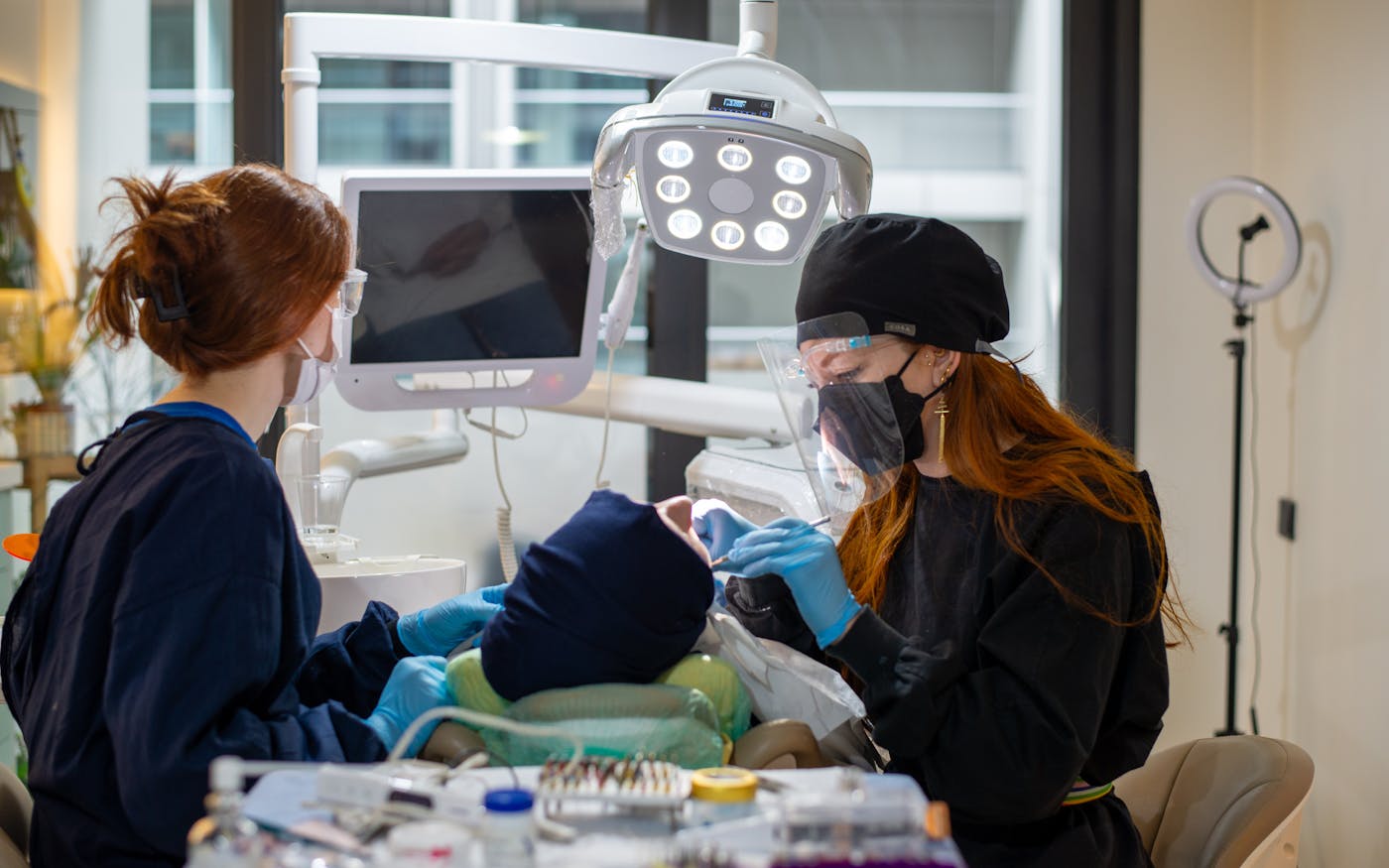
Quick answer: Repeated bleeding gums, swelling, bad breath, gum recession or loose teeth should be checked because periodontitis can damage the supporting structures of teeth. Treatment focuses on diagnosis, inflammation control, oral hygiene, professional cleaning steps and long-term maintenance after the active phase.
Reviewed by Dr. Kant Oektem. Last updated: May 2026.
Key points
- Periodontitis can progress without strong pain, so bleeding gums should not be ignored.
- Pocket measurements and X-rays help assess severity and possible bone loss.
- Treatment success depends on inflammation control and long-term maintenance appointments.
- Smoking, diabetes, oral hygiene and previous gum disease can influence periodontal risk.
Bleeding gums are a warning sign
Occasional bleeding after aggressive brushing can happen, but repeated bleeding, swelling, bad breath, gum recession or loose teeth should be examined.
Periodontitis can progress quietly. Pain is not always present in the early stages, so waiting until discomfort appears can delay treatment.
Diagnosis guides the treatment plan
The dentist checks gums, pocket depths, plaque levels, bleeding, tooth mobility and X-rays if needed. Treatment depends on severity and individual risk factors.
The first goal is to reduce inflammation and improve daily hygiene. Long-term success depends on maintenance appointments and consistent home care.
- Pocket measurements and bleeding findings.
- X-ray assessment when bone loss is suspected.
- Professional cleaning and hygiene instruction.
- Maintenance intervals based on individual risk.
Why maintenance is not optional
Periodontitis is a chronic risk. Even after successful treatment, regular monitoring helps detect recurrence early.
Patients with implants, diabetes, smoking habits or previous gum disease should discuss a realistic maintenance plan with the practice.
FAQ
When should bleeding gums be checked?
Bleeding gums should be checked if they happen repeatedly, especially with swelling, bad breath, gum recession or loose teeth. A dental examination can determine whether simple irritation, gingivitis or periodontitis is present.
Can periodontitis exist without pain?
Yes. Periodontitis can progress without strong pain, which is why dental checks, gum measurements and X-rays may be important. Waiting for pain can delay treatment and allow more tissue damage.
What helps prevent gum disease from returning?
Consistent home care, professional maintenance, risk control and regular monitoring help reduce recurrence risk. The recall interval should match individual findings such as pocket depths, bleeding, smoking or diabetes over time.
Are implants affected by gum inflammation?
Yes. Implant tissues can become inflamed too. Implant patients need careful hygiene, regular maintenance and early assessment if bleeding, swelling, pus, pain or loosening appears around an implant site at an early stage.
Medical context and sources
These references support patient orientation and do not replace diagnosis, examination or individual treatment planning.