
Tooth Extraction Aftercare in Konstanz: What Matters Next
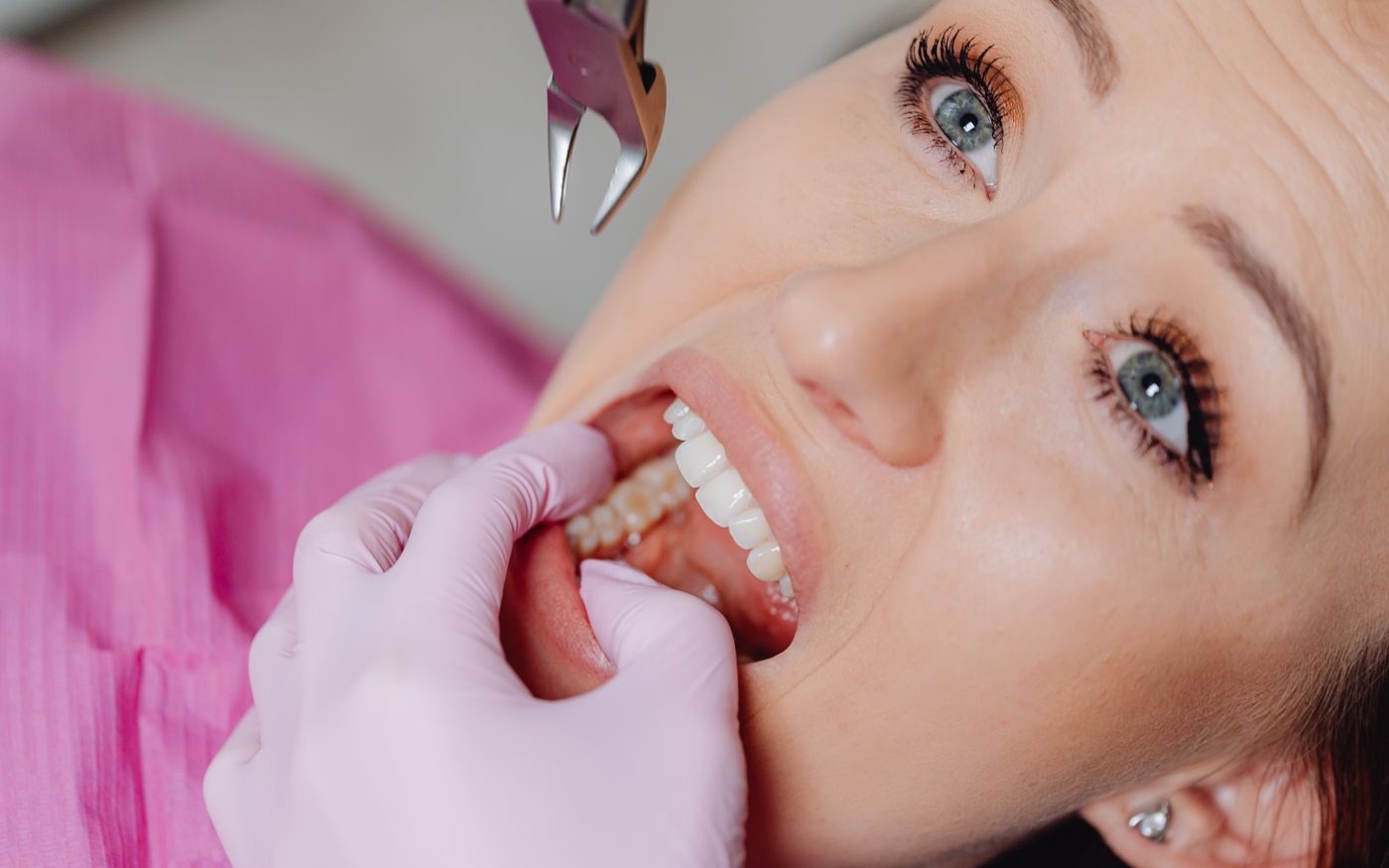
Quick answer: After a tooth extraction, a stable blood clot protects the socket and supports recovery. On the first day, do not rinse, spit forcefully or touch the area, and follow the practice’s instructions. Choose soft, not hot foods, avoid strenuous activity and watch for bleeding, swelling or pain that becomes worse instead of better.
Reviewed by Dr. Kant Oektem. Last updated: July 2026.
Key points
- The blood clot in the socket should not be disturbed on the first day.
- Soft, not hot foods are usually easier to manage at first.
- Careful oral hygiene can resume according to the practice’s instructions.
- Worsening pain, swelling, fever or pus should be assessed by a dentist.
- Heavy bleeding or trouble breathing or swallowing needs urgent help.
The first 24 hours
A blood clot forms in the socket after the tooth is removed. It covers the wound and should remain undisturbed on the day of treatment. Rinsing, forceful spitting, suction, touching the site with your tongue or using objects in the socket can restart bleeding.
Take it relatively easy on the first day and follow the instructions given by the practice. While local anaesthetic is still active, lips, cheeks and the tongue can be injured more easily, so hot foods and drinks should be avoided at first.
Food, drinks and cooling
Start with soft foods that are not hot and do not require strong chewing. Drink enough, but avoid straws or other suction if your practice advises this. Smoking and alcohol can make recovery less favourable and should be discussed in the individual instructions.
Short periods of external cooling may ease early swelling and discomfort. Do not place cooling material directly on the skin, and ask for specific advice after a more extensive procedure.
- Choose soft foods and drinks at a comfortable temperature.
- Chew on the opposite side when that is practical.
- Avoid straws, forceful spitting and unnecessary suction.
- Use external cooling only as the practice recommends.
Oral hygiene and gentle rinsing
On the day of treatment, do not rinse the wound or brush directly over it. The remaining teeth can be cleaned carefully according to the practice’s advice, so oral hygiene does not stop completely.
From the following day, gentle warm salt-water rinsing may be recommended depending on the procedure. Do not gargle vigorously or forcefully eject the liquid. The treating practice’s instructions take priority over general online information.
Symptoms that need attention
Blood-tinged saliva and some pain or swelling during the first days can occur after an extraction. The overall course should not keep getting worse. Pay particular attention when symptoms increase clearly after an initial improvement.
Heavy or persistent bleeding, fever, pus, increasing facial swelling, severe pain or trouble swallowing or breathing should be assessed promptly or urgently. Online information cannot replace an examination.
- Monitor blood in the saliva and the course of swelling.
- Do not ignore pain that becomes worse after several days.
- Report fever, pus or increasing facial swelling.
- Seek urgent help for breathing or swallowing problems.
Medication, stitches and follow-up
Take pain medicine or other medication only as instructed by the practice or after medical or pharmacy advice. Tell the dental team about medicines, medical conditions, allergies and blood thinners that may be relevant.
Keep a planned follow-up appointment, especially if stitches were placed. A more complex removal can require different instructions from a simple extraction. If you are unsure, a short call to the practice is safer than guessing.
Related pages from the practice
You may also find our pages about dental emergencies, cracked or chipped teeth, dental antibiotics, dental implants, the dental FAQ or contacting the practice useful.
FAQ
How long can bleeding continue after extraction?
Slightly blood-stained saliva can occur after an extraction. If bleeding is heavy, persistent or returns, follow the pressure instructions you received and contact the practice. Bleeding that does not settle needs urgent assessment, especially when medication or a bleeding disorder is involved.
When can I brush my teeth again?
Do not touch the wound on the treatment day. Depending on the instructions, you can clean the remaining teeth carefully. From the next day, oral hygiene can usually resume step by step, while the toothbrush and any rinse must not irritate the socket.
What can I eat after a tooth extraction?
Soft foods that are not hot are usually easiest at first. Chew on the opposite side when possible and avoid hard pieces, strong suction and very hot drinks. The best advice depends on the procedure and the instructions given by your dental practice.
What does a dry socket feel like?
Severe, increasing pain several days after removal, an unpleasant taste or bad breath can be associated with a dry socket. Only an examination can confirm the cause. Contact the treating practice promptly and do not try to clean inside the socket yourself.
When should I contact the practice after extraction?
Contact the practice for persistent bleeding, increasing swelling, fever, pus, marked deterioration or severe pain. Trouble swallowing or breathing is urgent. A call is appropriate when you are unsure because the procedure, medication and personal health risks matter.
Medical context and sources
These references support patient orientation and do not replace diagnosis, examination or individual treatment planning.
- KZBV: Dental extraction, examination and treatment steps
- University College London Hospitals NHS: Dental extractions, post-operative instructions
- Guy's and St Thomas' NHS: Dental surgery and recovery
- Mayo Clinic: Dry socket, diagnosis and treatment
- University Hospitals Dorset NHS: Aftercare instructions
- Newcastle Hospitals NHS: Oral surgery aftercare information