
Tooth Pain When Biting: Causes and Next Steps in Konstanz
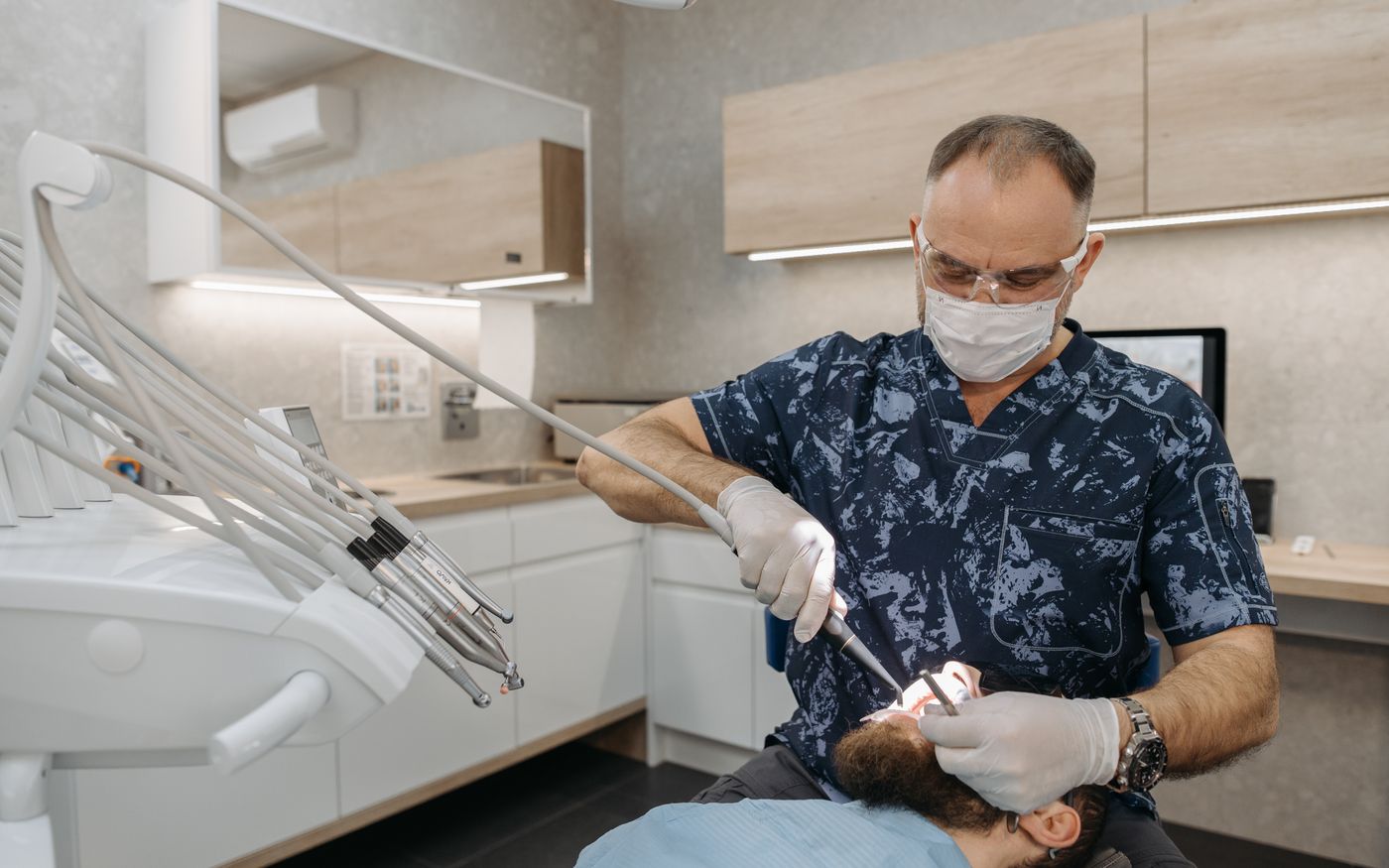
Quick answer: Tooth pain when biting can be linked to decay, a crack, a loose filling, irritation of the pulp or inflammation around the root. An uneven bite, gum problem or overworked chewing muscles may also play a role. An online description cannot identify the cause. A timely dental examination shows whether the tooth should be protected or assessed urgently.
Reviewed by Dr. Kant Oektem. Last updated: August 2026.
Key points
- Pain when biting is a symptom and does not by itself prove a crack or infection.
- Pain on biting or releasing pressure can be linked to decay, fillings, cracks or the dental pulp.
- Swelling, fever, pus, or difficulty swallowing or breathing increase the urgency.
- Until the examination, protect the area, continue gentle cleaning and avoid hard loading.
- The practice reviews the pain pattern, tooth, bite, gums and any needed X-ray findings together.
What pain when biting may mean
Pain when biting occurs when pressure loads a sensitive tooth or the tissue around its root. Some people feel a short, sharp jolt; others notice pressure or lingering tenderness. Whether the pain appears on biting down, releasing the bite or both can be useful information during the examination.
The symptom alone does not identify the diagnosis. A crack, decay, a damaged filling, irritation inside the tooth, inflammation around the root or overload can feel similar. Do not try to treat the tooth based only on an online description.
- Pain when biting or chewing on one side.
- A sharp sensation when releasing pressure from the bite.
- Additional sensitivity to cold, heat or sweet foods.
- Pressure, swelling or a changed feeling when the teeth meet.
Possible causes to keep in mind
A crack or fracture can produce a short, difficult-to-locate pain when chewing. Decay or a leaking or damaged filling may also make a tooth tender under load. When the pulp or the tissue around the root is inflamed, pressure, tapping tenderness and spontaneous pain may appear as well.
Gum problems, clenching, grinding or a changed bite can also overload the chewing system. Pain in upper back teeth may sometimes be felt with sinus problems. Several causes can feel alike, so an examination needs to separate them rather than relying on one symptom.
- A crack, fracture or damaged dental filling.
- Decay or irritation or inflammation inside the tooth.
- Inflammation around the root or in the supporting tissues.
- Clenching, grinding, a bite change or overworked chewing muscles.
- For upper back teeth, a possible contribution from the sinus area.
What to note before the appointment
Note when the pain started, which tooth or side seems involved and whether it appears when biting, releasing pressure or without loading the tooth. Tell the practice about sensitivity to cold or heat, swelling, an injury and any recent dental treatment.
A changed bite, night-time clenching, hard food or a feeling that the tooth moves are also useful details. A careful description cannot replace an examination, but it can help the practice prepare and judge how quickly you should be seen.
- Describe the trigger, duration and direction of the pain.
- Separate pain on pressure from pain on release.
- Mention swelling, fever, bad taste or a loose tooth.
- Report previous treatment, medicines and any injury.
What you can do until the examination
Protect the area and choose softer foods for a short time if chewing hurts. Continue brushing carefully and remove food between the teeth without sharp objects. Avoid hard items, nuts, ice and repeatedly testing the tooth by biting down forcefully.
Over-the-counter pain relief may be a temporary option for some people. Follow the package directions and ask a pharmacist or the practice if you have other medicines, medical conditions or pregnancy concerns. Pain relief does not identify the cause; harsh home remedies or glue do not belong on the tooth.
- Avoid heavy chewing on the painful side.
- Continue gentle oral care and remove trapped food carefully.
- Avoid hard loading and repeated bite tests.
- Use medicines only as directed and when personally suitable.
How the dental practice checks the cause
The review starts with the pain history and an examination of the tooth, filling, crown, gums and bite. Depending on the findings, the dentist may assess pressure or tapping sensitivity, cold response, tooth movement and a focused X-ray. One image does not show every possible cause.
Treatment depends on the findings. It may involve adjusting the load, placing or replacing a filling, treating the dental pulp, protecting a crack or addressing gum and supporting-tissue problems. The suitable option can only be selected after the personal examination.
When urgent assessment is needed
Arrange a timely appointment when pain returns, increases, limits chewing or comes with temperature sensitivity, swelling, a bad taste or a loose tooth. Outside normal opening hours, severe symptoms may require an urgent dental service rather than waiting for a routine visit.
Rapidly increasing swelling of the face or mouth, fever, marked difficulty swallowing or breathing, severe uncontrolled pain or a significant injury require urgent help. Do not wait for a routine check when these signs are present.
Related patient guides from the practice
You may also find our guides to cracked or chipped teeth, pain after a filling, dental abscess and inflammation, dental fillings, dental emergencies and contacting the practice useful.
FAQ
Why does my tooth hurt when I bite down?
Pain when biting can be linked to decay, a crack, a damaged filling, irritation inside the tooth or inflammation around the root. Bite overload, gum problems or clenching may feel similar. A dental examination is needed to distinguish the cause safely.
Does pain when biting always mean a cracked tooth?
No. A crack is one possible explanation, but decay, a filling, inflammation, an overloaded supporting ligament or clenching can produce similar pain. Cracks are not always visible, so a personal check is more useful than trying to diagnose the tooth at home.
Should I chew on the other side?
For a short time, protecting the painful side and choosing softer foods may be sensible. Do not keep testing the tooth with force or postpone care indefinitely. If the pain remains or becomes stronger, arrange a timely dental examination.
When should pain when biting be checked?
Arrange a timely review when pain returns, changes how you chew, lasts or comes with temperature sensitivity, swelling, a bad taste or a loose tooth. After an injury or recent dental treatment, tell the practice about the symptom even if it seems mild.
When is tooth pain an emergency?
Urgent help is needed for rapidly increasing swelling, fever, severe uncontrolled pain, significant injury or difficulty swallowing or breathing. Outside normal hours, contact an urgent dental service for severe symptoms; breathing problems require immediate medical help rather than routine dental waiting.
Medical context and sources
These references support patient orientation and do not replace diagnosis, examination or individual treatment planning.
- zahn.de: Toothache – what to do? (German patient guidance)
- Bavarian State Chamber of Dentists: What to do about toothache? (German)
- AWMF: S3 guideline on odontogenic infections (German guideline)
- University Medical Center Göttingen: Toothache
- American Association of Endodontists: Tooth Pain
- American Dental Association: Acute dental pain guidance
- NHS England: Unscheduled urgent and non-urgent dental care