
Bad Breath and Halitosis: When a Dental Check Helps
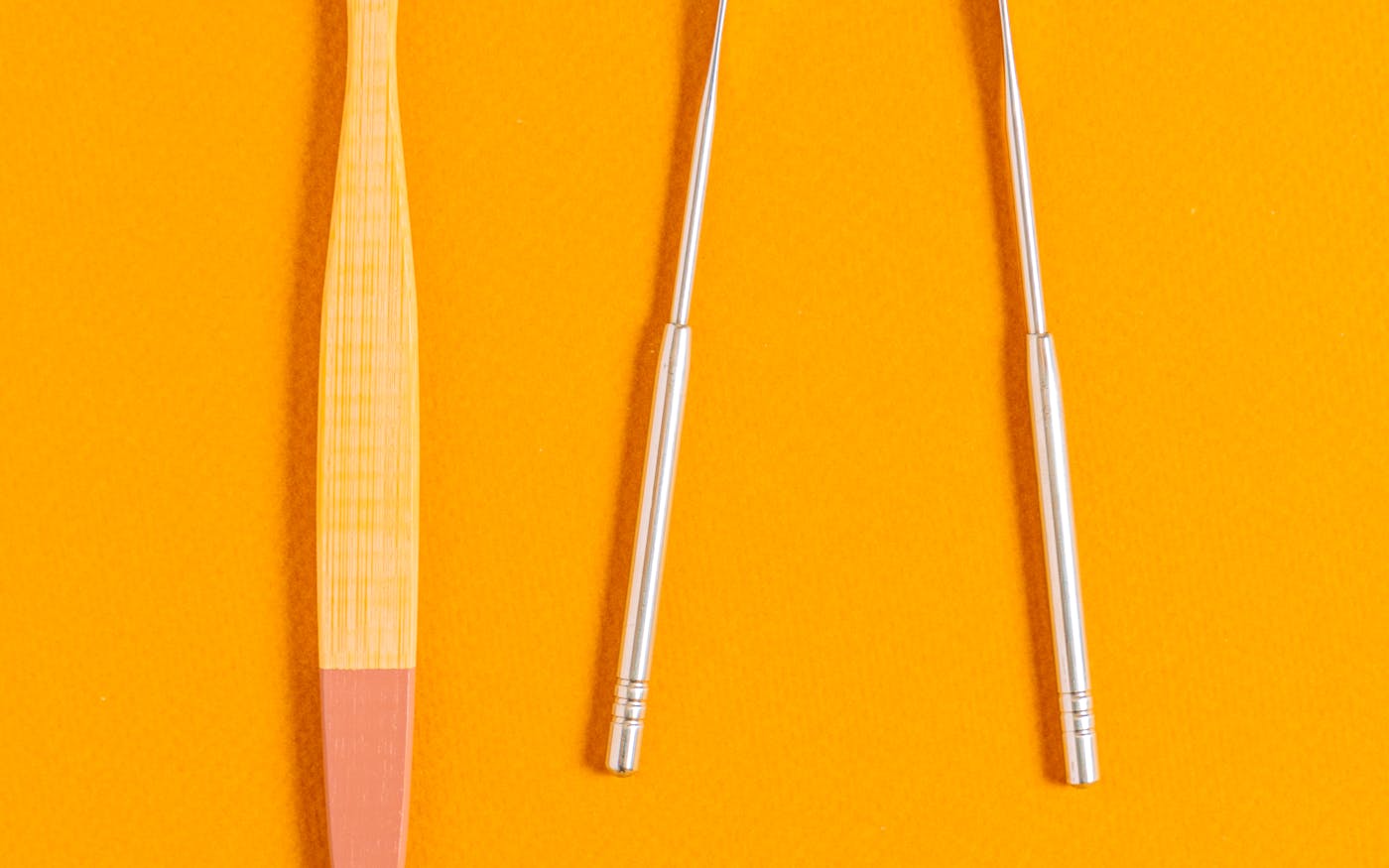
Quick answer: Persistent bad breath often starts in the mouth, especially from tongue coating, dental plaque, gum inflammation, caries, poorly cleaned dentures or dry mouth. Mints and mouthwash may only mask odor briefly. A dental check can identify whether teeth, gums, tongue or non-dental factors are involved.
Reviewed by Dr. Kant Oektem. Last updated: May 2026.
Key points
- Persistent bad breath should usually start with a dental check.
- Tongue coating, plaque, caries and gum inflammation can contribute to halitosis.
- Dry mouth can worsen bad breath because saliva helps clean the mouth.
- Mouthwash does not replace cause-based diagnosis or daily interdental cleaning.
Why bad breath happens
Odor can develop when bacteria break down food debris, cells or deposits in the mouth. The tongue surface, spaces between teeth, gum pockets and poorly cleaned dental appliances can all hold odor-forming bacteria.
Temporary breath after coffee, garlic or onions is different from recurring halitosis. If bad breath keeps returning despite careful hygiene, the cause should be checked systematically.
Common dental causes
During a dental check, the dentist looks at teeth, gums, tongue, fillings, crowns, bridges, implants and removable appliances. The aim is to find the cause, not only cover the smell.
- Tongue coating and bacterial deposits on rough surfaces.
- Gum inflammation, periodontitis or deep gum pockets.
- Caries, leaking filling margins or difficult-to-clean niches.
- Dentures, retainers or night guards that are not cleaned thoroughly.
- Dry mouth caused by low fluid intake, mouth breathing or medication.
Self-care that can help
Home care works best when it reaches the actual odor sources. Brushing alone may not be enough because many odor-forming deposits sit between teeth or on the tongue.
- Brush teeth twice daily and clean along the gumline.
- Clean between teeth every day with suitable brushes or floss.
- Clean the tongue gently without strong pressure.
- Drink enough water and mention recurring dry mouth at the appointment.
- Clean dentures, retainers or night guards every day as instructed.
When bad breath is not only dental
Bad breath does not always come only from teeth and gums. Tonsil stones, chronic nose or throat inflammation, reflux, medication-related dry mouth or less common medical conditions can also be involved.
If the dental examination does not explain the problem, medical or ear-nose-throat assessment may be appropriate. This is especially important with swallowing problems, persistent reflux, fever, weight loss or new general symptoms.
What happens during a dental check
The consultation starts with questions about duration, timing, diet, medication, dry mouth, oral hygiene and dental appliances. The clinical check then focuses on teeth, gums, tongue and hard-to-reach areas.
Depending on the findings, treatment may include professional cleaning, periodontal assessment, caries care, adjusted interdental tools or improved cleaning of the tongue and dental appliances. Reliable advice depends on the actual diagnosis.
FAQ
What commonly causes bad breath?
Bad breath commonly comes from tongue coating, dental plaque, food debris, gum inflammation, caries or poorly cleaned dental appliances. A dental examination can check whether the cause is oral or whether other medical factors should be considered.
Does mouthwash fix bad breath permanently?
Mouthwash may reduce odor briefly, but it does not replace diagnosis. If tongue coating, gum pockets, caries, dry mouth or dental appliances are involved, the underlying cause and daily cleaning routine need to be addressed.
Should I clean my tongue?
Gentle tongue cleaning can help because odor-forming bacteria can collect on the tongue surface. Avoid strong pressure. If cleaning causes pain, gagging or the odor continues, ask a dentist for individual advice.
Can dry mouth cause bad breath?
Yes. Saliva helps clean the mouth and control food debris and bacteria. Mouth breathing, dehydration, medication or salivary gland problems can make the mouth dry and may increase bad breath.
When should I see a dentist?
Book a dental check if bad breath is recurring, persists despite good hygiene, or appears with bleeding gums, visible deposits, caries concerns, dry mouth or denture problems. If no dental cause is found, medical assessment may follow.
Medical context and sources
These references support patient orientation and do not replace diagnosis, examination or individual treatment planning.
- NHS: Bad breath
- Mayo Clinic: Bad breath symptoms and causes
- American Dental Association: Bad Breath
- BLZK/zahn.de: Mundgeruch