
Chalky Teeth and MIH in Children: What Parents Should Notice
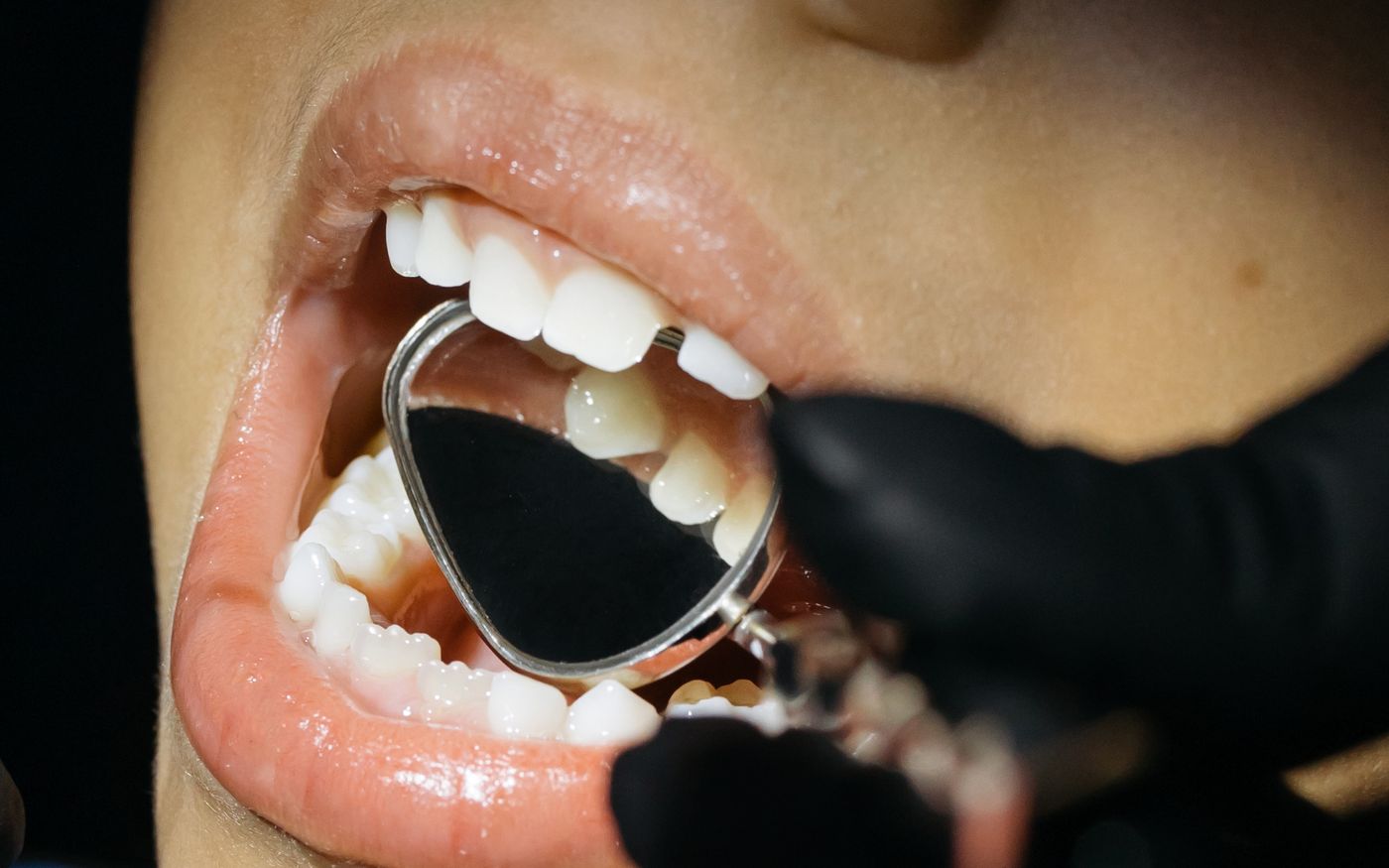
Quick answer: Chalky teeth, often called MIH, have enamel that is less well mineralised. They may look white, yellow or brown, feel sensitive or break down more easily. The first adult molars around age six are commonly involved. An early dental check helps plan monitoring, fluoride, sealants or repair based on the tooth.
Reviewed by Dr. Kant Oektem. Last updated: June 2026.
Key points
- MIH often affects first adult molars and sometimes front teeth.
- Common signs include clear white, yellow or brown patches and sensitivity.
- MIH develops while teeth are forming and is not simply caused by poor brushing.
- Early recognition helps plan protection, cleaning support and follow-up.
- Management depends on severity, sensitivity, decay risk and how the child copes day to day.
What chalky teeth mean
Many cases are described as molar incisor hypomineralisation, or MIH. The enamel is less well mineralised than on other teeth. The surface may look matte, patchy, sensitive or more fragile.
MIH is often noticed when the first adult molars come through. These teeth erupt around the age of six, sit far back in the mouth and can be easy to miss during everyday brushing.
- Chalky white, yellow or brown patches.
- Sensitivity during brushing, chewing, cold foods or sweet foods.
- Rough or crumbly enamel areas.
- New molars that look damaged quickly despite brushing.
Why parents should not blame themselves
MIH develops while teeth are forming, before the affected adult teeth are fully visible in the mouth. The exact causes are not fully settled. It is therefore not helpful to blame parents or children for the marks.
Good care still matters because weaker enamel can be more vulnerable to decay, breakdown and sensitivity. The aim is a calm plan that fits the child and the severity of the tooth changes.
What the dentist checks
The dental check looks at which teeth are affected, how large the patches are, whether enamel is missing, whether decay is present and how sensitive the child is. Cleanability of the new molars also matters.
Depending on the findings, options may include closer recalls, fluoride, sealants, protective fillings or other restorative care. Not every child needs the same treatment, and not every mark automatically needs repair.
What helps at home
Children with sensitive molars may avoid brushing exactly where protection is most needed. Parents can help by finding the new molars and supporting brushing without making the routine feel like a fight.
Age-appropriate fluoride toothpaste, snack breaks that protect teeth and regular checks are important. If brushing hurts, technique and suitable aids should be discussed with the dental team.
- Look specifically for the new molars during brushing.
- Do not simply skip sensitive areas; ask for advice.
- Limit sugary drinks and frequent snacking.
- Keep check-up appointments even without obvious symptoms.
Related topics at the practice
These guides may also help: children’s dentistry, dental sealants, dental fillings, sensitive teeth, preventive care, the dental FAQ or contacting the practice.
FAQ
Are chalky teeth caused by poor brushing?
No. MIH develops while teeth are forming, before the affected adult teeth are fully visible. Brushing still matters, but it does not explain MIH by itself. Parents should focus on early assessment rather than blame.
How can parents recognise possible MIH?
Common signs are clearly bordered white, yellow or brown patches, especially on new molars. Some children react to cold, sweet foods, brushing or chewing. Crumbly areas or fast-developing defects should be assessed by a dentist.
Do chalky teeth always need treatment?
Not always. Mild findings may mainly need monitoring and protection. If there is sensitivity, enamel breakdown, decay or poor cleanability, fluoride, sealants, fillings or other measures may be useful. The decision depends on the individual tooth.
Can chalky molars be sealed?
Sealants can help some chewing surfaces when the tooth is stable enough and can be kept dry during treatment. If enamel loss is more advanced, sealants may not be enough and other protective or restorative options are discussed.
When should my child see a dentist for possible MIH?
Book a check if new molars look patchy, hurt during brushing, break down quickly or remain unusual despite good care. A check around the eruption of the first adult molars is also useful for early detection.
Medical context and sources
These references support patient orientation and do not replace diagnosis, examination or individual treatment planning.
- Newcastle Hospitals NHS: MIH in your child’s teeth
- Guy’s and St Thomas’ NHS: MIH in children
- AAPD: Molar-Incisor Hypomineralization
- zahn.de: Was sind Kreidezähne?
- KZBV: Kreidezähne frühzeitig erkennen
- DGKiZ: MIH parent brochure 2025