
Sensitive Teeth in Konstanz: Causes, Self-Care and When to See a Dentist
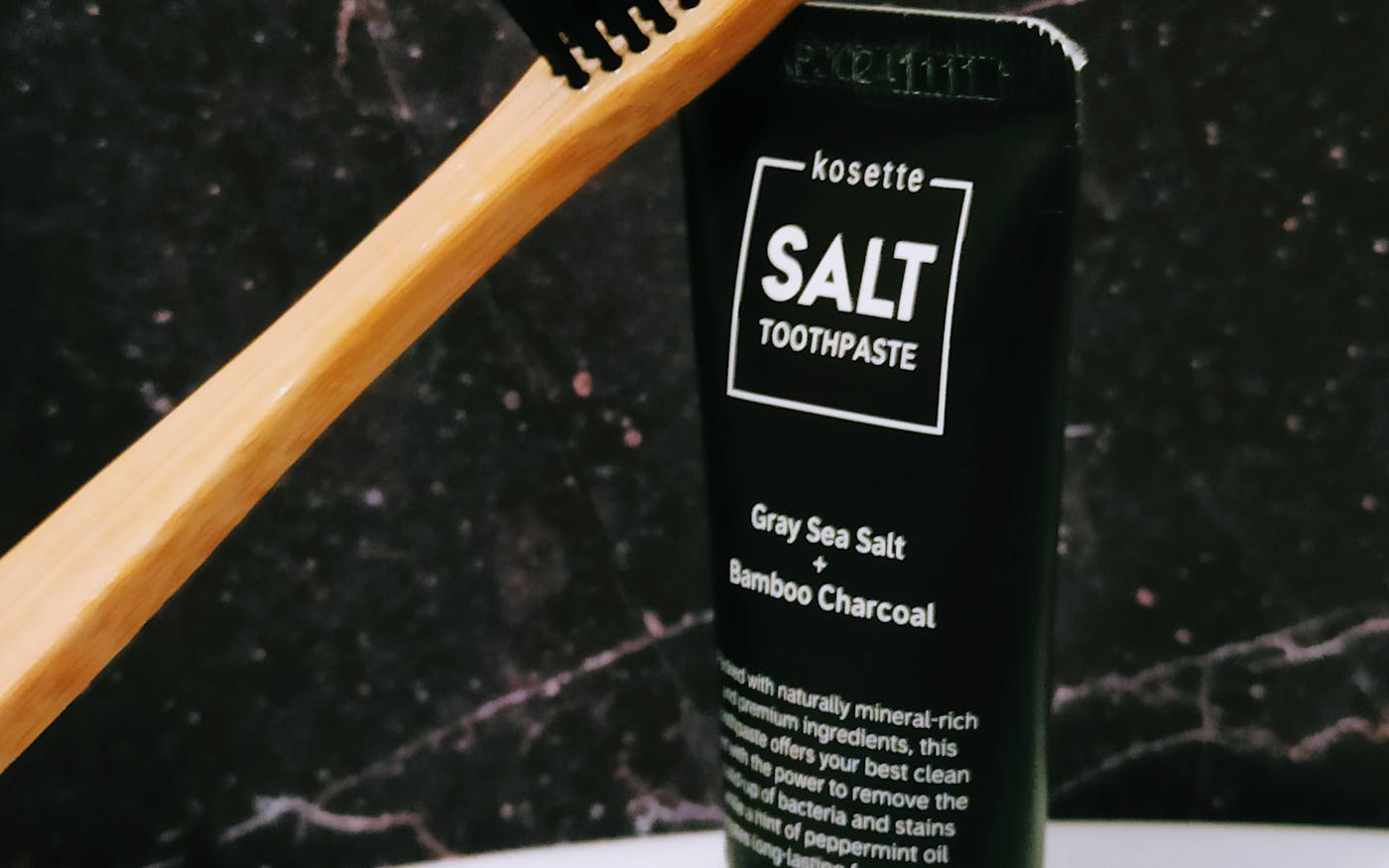
Quick answer: Sensitive teeth usually cause a short, sharp pain with cold, heat, sweet foods or even air. Common causes include exposed roots from gum recession, enamel wear or acid erosion, caries, cracks or leaking filling margins. Gentle brushing, fluoride and a sensitivity toothpaste can help. Persistent or worsening symptoms need a dental check.
Reviewed by Dr. Kant Oektem. Last updated: May 2026.
Key points
- Sensitivity can be harmless, but it can also signal caries, cracks or leaking margins.
- Gum recession with exposed root surfaces is a common trigger.
- Acid erosion can thin enamel and increase sensitivity over time.
- Sensitivity toothpaste often needs consistent use for days to weeks.
- Persistent, spontaneous or severe pain should be assessed by a dentist.
What “sensitive” usually feels like
Many patients notice a quick, stabbing pain when cold air, ice or sweet foods hit one tooth. The classic pattern is short and fades within seconds.
If pain lasts, happens without a trigger or is clearly localized to one tooth, a dental examination is important. Online information can support preparation but cannot diagnose the cause.
Common dental causes
Sensitivity often increases when protective layers are thinner or when the underlying dentin or root surface is exposed. This can allow stimuli to travel more easily toward the dental nerve.
- Gum recession and exposed tooth roots (sometimes linked with inflammation or excessive brushing pressure).
- Acid erosion from frequent acidic drinks/foods or reflux.
- Caries or leaking filling margins.
- Cracks, chips or overload from clenching/grinding.
- Temporary sensitivity after professional cleaning or whitening.
Self-care that is worth trying
Self-care cannot replace diagnosis, but it can reduce symptoms when brushing pressure or acid exposure are relevant. The key is not “harder brushing”, but gentle and consistent care.
- Use a soft toothbrush, gentle pressure and a controlled technique along the gumline.
- Use a fluoride sensitivity toothpaste consistently; spit after brushing and avoid strong rinsing.
- Reduce frequent acidic drinks and avoid “sipping for hours”; rinse with water after acid exposure.
- Wait before brushing after acidic foods/drinks instead of scrubbing immediately.
- If clenching or grinding is likely, ask whether a night guard is appropriate.
When to book a dental check
Book a check if sensitivity lasts longer than a few days, gets worse, occurs at night or without a trigger, or if chewing pain or heat sensitivity is present. Visible defects, gum recession or older fillings/crowns are also reasons to be assessed.
A dental exam can differentiate exposed roots, erosion, caries, cracks, leaking margins or bite-related overload. Treatment remains conservative and cause-based, from targeted fluoride protection to repairing the actual defect when needed.
Related topics at the practice
Depending on the cause, these guides may help: professional dental cleaning, teeth whitening, bruxism, periodontitis, FAQ or contact the practice.
FAQ
Why did my teeth become sensitive suddenly?
Temporary sensitivity can happen when dentin or root surfaces are more exposed, for example with gum recession, erosion or after a cleaning. Sudden or one-sided pain that is increasing can also come from caries, cracks or leaking margins and should be checked by a dentist.
Does sensitivity toothpaste actually work?
For many patients, sensitivity toothpaste can reduce symptoms, but it needs consistent use. Improvement often builds over days to weeks. Spit after brushing and avoid strong rinsing so protective ingredients can stay on tooth surfaces longer.
Should I brush harder when teeth feel sensitive?
No. High brushing pressure can worsen gum recession and increase exposure of sensitive areas. Use a soft brush, gentle pressure and good technique. A preventive-care visit can help you choose the right interdental tools and avoid overbrushing along the gumline.
Do acidic drinks make sensitivity worse?
They can. Frequent acid exposure can contribute to erosion and thinner enamel, which may increase sensitivity. Reduce frequent acidic drinks, avoid sipping over long periods, rinse with water after acid exposure and do not brush immediately afterwards.
When should I see a dentist for sensitivity?
See a dentist if sensitivity lasts more than a few days, worsens, happens spontaneously or at night, or if chewing pain or strong heat sensitivity occurs. Visible defects, gum bleeding or concerns about older fillings and crowns also justify an examination.
Medical context and sources
These references support patient orientation and do not replace diagnosis, examination or individual treatment planning.
- American Dental Association: Sensitive Teeth
- Mayo Clinic: Sensitive teeth (treatments)
- Oral Health Foundation: Sensitive teeth
- NHS: Sensitive teeth leaflet (community dental)