
Dental assessment before head and neck radiotherapy
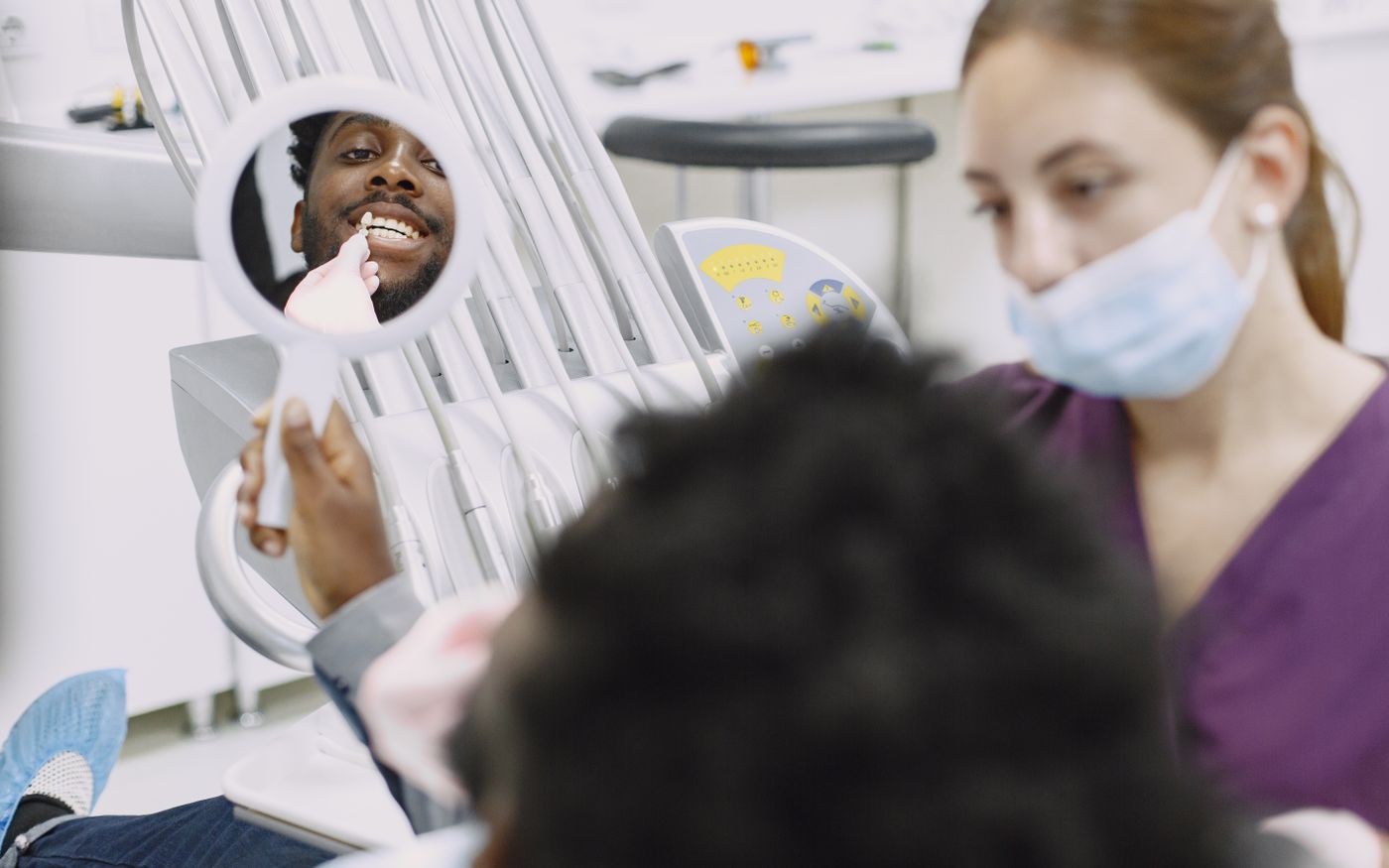
Quick answer: Before head and neck radiotherapy, a dentist should assess your teeth, gums, mouth lining and dentures. The aim is to identify disease or irritation and plan oral care, fluoride protection and follow-up. Arrange the visit early and share your treatment details. Any procedures and timing need coordination with your cancer team; never delay cancer treatment yourself.
Reviewed by Dr. Kant Oektem. Last updated: October 2026.
Key points
- Arrange dental assessment when head and neck radiotherapy is being planned.
- Share the treatment area, start date, medication list and cancer team contacts.
- Teeth are assessed individually; radiotherapy does not mean every tooth needs removal.
- Agree on practical oral care, fluoride protection and continuing reviews in advance.
- Report symptoms early and tell future dentists about previous radiotherapy.
Arrange assessment early and coordinate the timing
Editorially checked against current clinical sources. Updated: October 2026.
Contact your dentist and cancer team once radiotherapy is planned. Some dental work needs recovery time before cancer treatment. There is no single deadline suitable for everyone: urgency, the treatment area and oral findings guide the plan.
If treatment starts soon, contact both teams straight away. Do not postpone cancer treatment yourself. The cancer centre can clarify whether assessment or treatment by a specialist dental or maxillofacial team is needed.
Establish the condition of the mouth
Assessment may cover decay, gum disease, teeth that may cause infection, mouth lining, sharp edges and denture rubbing. Existing dryness and jaw opening matter too. Dental imaging should answer a clinical question and take existing records into account.
Mention symptoms even if they are not severely painful. Our guides to tooth decay and fillings and dental treatments provide background for questions; they cannot establish your individual treatment needs.
Understand how this differs from a routine check
Both visits assess oral health. Before radiotherapy, the cancer timetable, planned treatment field and potential later risks also shape dental decisions. Assessment, discussions between teams and any necessary treatment may involve more than one appointment.
Compare options by the condition of each tooth, tooth preservation, infection control, treatment demands and future cleaning. A restorable tooth differs from a source of infection that cannot be restored. Neither removing all teeth nor promising to keep every tooth is an appropriate blanket approach.
Bring records and agree on necessary procedures
Useful information includes medical letters, the planned start date and treatment area, current medicines, allergies and cancer team contact details. Previous dental findings and X-rays can help. Missing paperwork should not delay your first contact.
Radiotherapy can alter tissue and blood supply within the treated jaw. Later surgery may become more complicated; one possible complication is osteoradionecrosis, damage to irradiated bone. Any necessary extractions and recovery time require individual coordination. Do not change medicines, start antibiotics or move treatment dates on your own.
Plan daily care and continuing reviews
Agree on gentle cleaning that you can manage and a personal fluoride plan. Higher-strength products or fluoride trays need professional instructions. Our fluoride toothpaste guide explains the general principles rather than a cancer-specific prescription.
Reduced saliva can increase decay risk. The guides to dry mouth and sensitive teeth offer background. Continue agreed reviews after treatment and always tell dentists about previous radiotherapy, particularly before an operation.
Know which symptoms need prompt attention
Report increasing pain, swelling, sores, fever or difficulty eating and drinking early. Seek same-day advice from your team for new significant swallowing problems or inability to drink enough. Difficulty breathing or rapidly increasing facial or neck swelling requires immediate emergency medical help.
Before treatment, ask who to contact during radiotherapy and outside normal hours. Similar symptoms can have different causes; an assessment determines the appropriate response. Do not wait for the next routine dental review if symptoms are worsening.
Prepare for a dental visit in Konstanz
When arranging an appointment, mention the planned head and neck radiotherapy and start date. Ask your cancer centre whether a specialist dental visit is already arranged and what care your local dentist should provide.
If travelling from Kreuzlingen or elsewhere in Switzerland, plan how records will be shared, which team handles problems after you return home and how you will attend reviews. This guide helps you prepare for coordinated care; it does not provide clearance for cancer treatment.
FAQ
When should I arrange the dental visit before radiotherapy?
Contact your dentist as soon as head and neck radiotherapy is planned. This allows time for assessment, coordination and necessary dental work where possible. If treatment starts soon, contact both teams immediately. The right timing is individual; never postpone cancer treatment yourself.
Will all my teeth need removing before radiotherapy?
No. Each tooth is assessed by its condition, whether it can be restored, infection risk and the planned radiation field. Some problems allow tooth-preserving treatment; others may need surgery. The decision, timing and recovery period must be coordinated with your treatment team.
What should I bring to the dental assessment?
Bring medical letters, the planned treatment start and area, your medication list, allergy details and cancer team contacts. Available dental records and X-rays may also help. If information is incomplete, make contact anyway so the teams can clarify what is needed.
Is my usual brushing routine enough during and after radiotherapy?
Daily care remains essential but may need adapting. Ask about a soft brush, appropriate fluoride products, denture care and help for a dry or sore mouth. Your team should explain any special products and how to use them. Continuing dental reviews remain important after treatment.
Which mouth symptoms should I report promptly during radiotherapy?
Report increasing pain, swelling, fever, sores or difficulty eating and drinking early. Contact your team the same day for new significant swallowing problems or difficulty drinking enough. Breathing difficulty or rapidly increasing facial or neck swelling needs immediate emergency medical assistance.
Medical context and sources
These references support patient orientation and do not replace diagnosis, examination or individual treatment planning.
- DKFZ Cancer Information Service: Oral hygiene during cancer treatment (German)
- DKFZ Cancer Information Service: Radiotherapy and side effects (German)
- NCI: Oral complications of cancer therapies, patient version
- ADA: Cancer therapies and dental considerations
- NIDCR/NIH: Cancer treatments and oral health
- Cambridge University Hospitals NHS: Dental assessment before radiotherapy
- Cambridge University Hospitals NHS: Head and neck radiotherapy, July 2026
- Leeds Teaching Hospitals NHS: Radiotherapy to the head and neck
Questions about treatment planning?
Or call us: +49 (0)7531 955555
Related treatment: Dental treatments in Konstanz