
How to Clean Dentures: Daily Care and Warning Signs
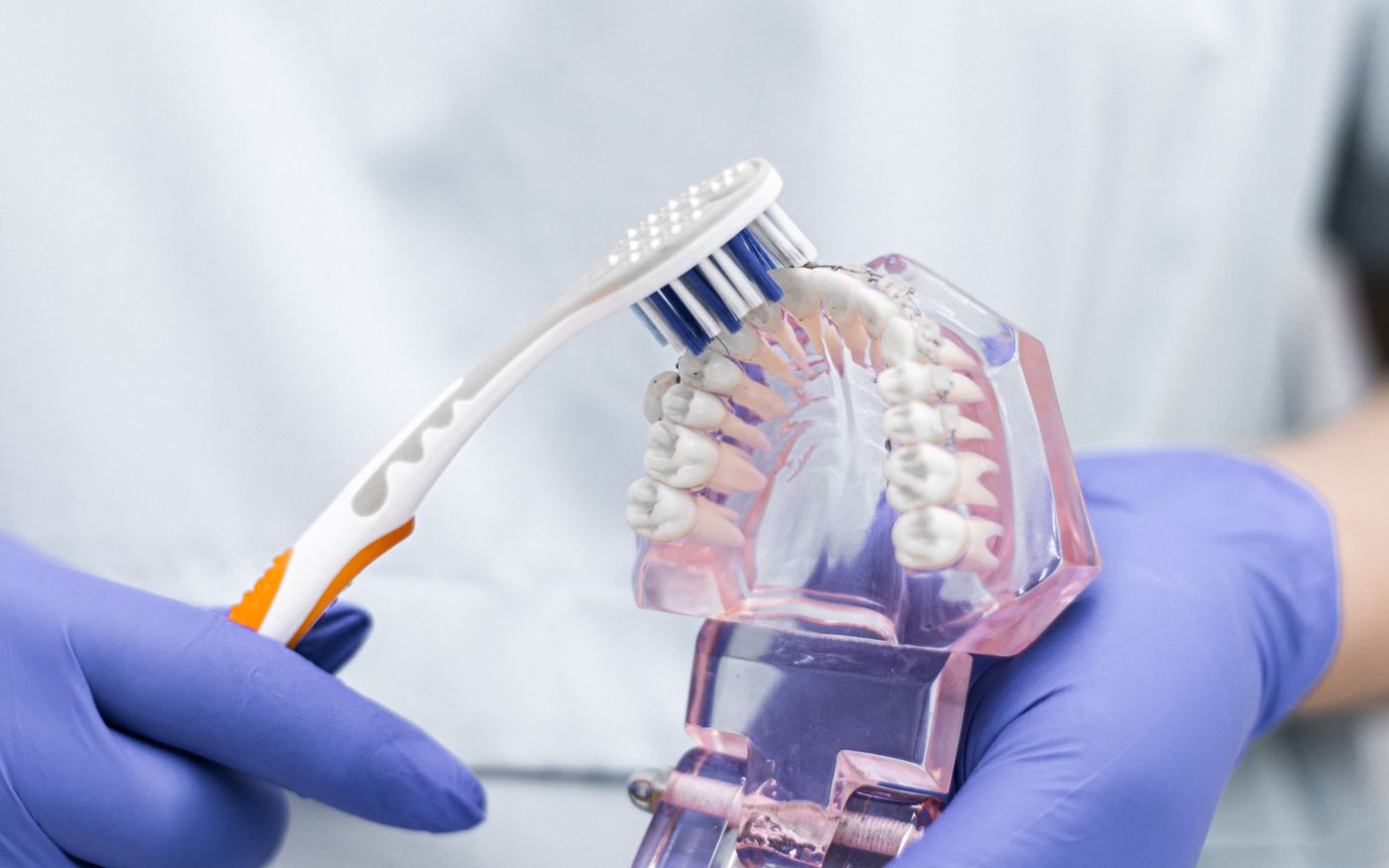
Quick answer: Removable dentures should be cleaned outside the mouth every day. Rinse away loose food, brush all surfaces gently with a soft brush and suitable cleanser, and follow the product instructions. Dentures are usually removed overnight and stored as advised. Soreness, looseness, cracks, damage or ongoing irritation are reasons to arrange a dental review.
Reviewed by Dr. Kant Oektem. Last updated: August 2026.
Key points
- Clean removable dentures at least twice a day outside the mouth.
- A soft brush and non-abrasive cleanser help protect the denture surface.
- Remaining teeth, gums, tongue and palate need their own oral-care routine.
- Dentures are usually removed overnight and kept moist according to instructions.
- Soreness, looseness, cracks or damaged denture teeth should be assessed.
Why daily denture care matters
Food debris, plaque, stains and deposits can collect on partial and complete dentures. Regular cleaning helps keep the appliance clean and may reduce irritation, unpleasant odour and problems affecting the mouth lining. Cleaning is not a substitute for an examination when symptoms continue.
A full denture does not remove the need for mouth care. Gums, tongue and palate should be cleaned gently. With a partial denture, the remaining teeth and the areas around clasps or connectors need careful brushing as well.
- Clean the denture outside the mouth at least in the morning and evening.
- Rinse away loose food after meals when debris collects underneath.
- Clean the mouth lining, tongue and remaining teeth separately.
How to clean dentures step by step
Remove the denture carefully and rinse away loose food under lukewarm water. Clean it over a sink cushioned with water or a towel where possible. This lowers the chance of the appliance breaking if it slips from your hands.
Then brush every surface with a soft denture brush or soft toothbrush. Use a non-abrasive cleanser intended for dentures and follow the product instructions. Rinse the denture thoroughly before putting it back in your mouth.
- Rinse away loose debris first.
- Clean the outer and inner surfaces, edges and partial-denture attachments.
- Use a separate brush for the denture.
- Rinse thoroughly with water before wearing it again.
Which cleansers and temperatures are suitable
Use a mild, non-abrasive cleanser or a soaking solution made for your type of denture. Cleaning tablets may be suitable for soaking, depending on the product. The denture should not be in your mouth during cleaning, and it should be rinsed thoroughly after soaking.
Hot or boiling water can distort the material. Scouring powders, bleach and harsh household cleaners can damage the surface or attachments. Denture adhesive is also not a substitute for a review when the appliance no longer fits properly.
- Follow instructions for concentration, soaking time and rinsing.
- Do not use hot or boiling water.
- Do not use abrasive powders, bleach or glue as a repair method.
Removing and storing dentures overnight
For many adults, removing dentures overnight gives the mouth lining a break. After a new denture, tooth extraction or an adjustment, the practice may give different temporary instructions. Those personal instructions take priority over general advice.
After cleaning, store the appliance as advised by the practice or cleanser manufacturer. Many dentures should stay moist, for example in fresh water or a suitable solution. Change the liquid regularly and keep the container clean and closed.
- Wear dentures overnight only when the practice specifically advises it.
- Always rinse the denture thoroughly before putting it back in.
- Brush remaining teeth with fluoride toothpaste and clean the mouth gently.
When the denture, mouth and fit need review
Arrange a review if the denture becomes loose, moves while chewing, causes sore or broken areas, or continues to irritate the mouth despite careful cleaning. Cracks, breaks, loose denture teeth, persistent odour or difficulty speaking are also reasons to contact the dental practice.
Changes in the mouth, gums or remaining teeth can alter the fit. Do not sand, glue or adjust the appliance with a repair kit. Rapidly increasing swelling, breathing or swallowing problems, bleeding that cannot be controlled or severe illness require immediate medical help.
- Mention sore spots, wounds or bleeding promptly.
- Do not repair a loose or damaged denture yourself.
- Keep regular reviews even when the denture feels comfortable.
Related guides from the practice
You may also find our guides to denture sore spots, comparing crowns, bridges and implants, implant planning, dry mouth, professional dental cleaning and contacting the practice useful. These guides support preparation but do not replace an examination.
FAQ
How often should I clean my dentures?
Clean removable dentures at least twice a day outside the mouth. An extra rinse after meals may help when food collects underneath. The right brush, cleanser and soaking time depend on the material, product instructions and any advice given for your individual denture.
Can I brush dentures with toothpaste?
Not every toothpaste is suitable because abrasive ingredients can scratch a denture. Use a soft brush and a mild cleanser intended for dentures. If you are unsure, ask the dental practice or follow the manufacturer instructions for the appliance and cleanser.
Should I remove dentures at night?
Dentures are usually removed overnight and stored moist according to the instructions. After a new denture, extraction or adjustment, the practice may recommend a different routine for a short period. Always rinse the appliance thoroughly before putting it back in.
What should I do if my denture hurts or feels loose?
Arrange a dental review if you have sore spots, wounds, pain or a loose fit. The shape of the mouth can change and the appliance may need adjustment. Do not glue, sand or repair the denture yourself because this can damage the appliance and mouth lining.
Can I repair a denture myself?
No. Glue, sanding and do-it-yourself repair kits can worsen the fit or irritate the mouth. Keep any broken pieces and contact the dental practice. The team can check whether the denture needs an adjustment, repair or a new appliance.
Medical context and sources
These references support patient orientation and do not replace diagnosis, examination or individual treatment planning.
- zahn.de: How often should dentures be cleaned? (German patient guidance)
- zahn.de: Tips for a healthy mouth in later life (German patient guidance)
- BLZK: Denture-care tips (German dental authority)
- American Dental Association: Denture care and maintenance
- Guy’s and St Thomas’ NHS: Dentures
- Cambridge University Hospitals NHS: Denture care