
Electric or Manual Toothbrush: Which Fits Your Routine?
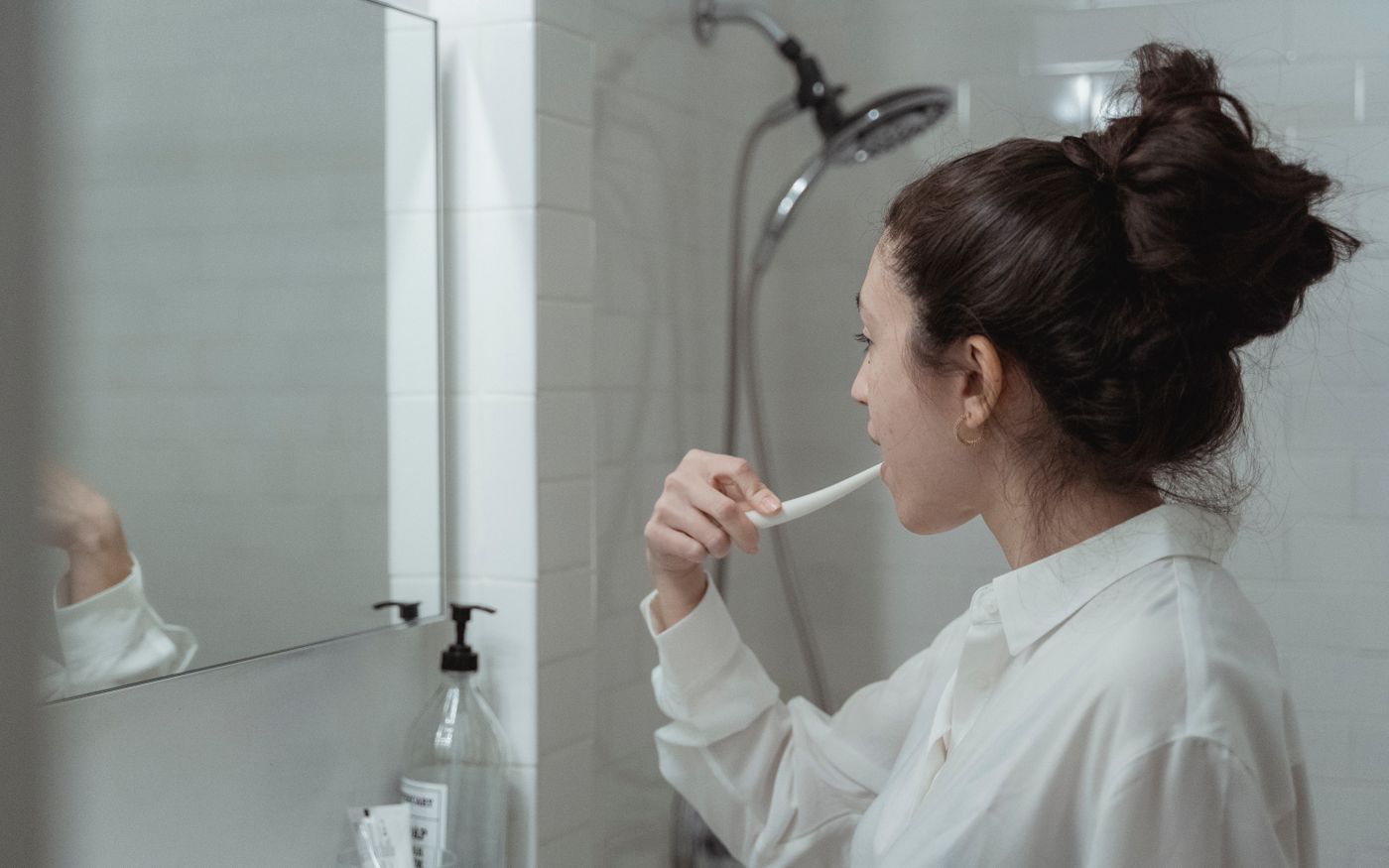
Quick answer: Electric and manual toothbrushes can clean teeth effectively. The essentials are fluoride toothpaste, brushing about twice a day for roughly two minutes, light pressure and a systematic routine. Powered models may help when dexterity or brushing consistency is difficult; a manual brush remains suitable when used carefully. The best choice depends on your mouth and daily habits.
Reviewed by Dr. Kant Oektem. Last updated: July 2026.
Key points
- Electric and manual toothbrushes can remove plaque effectively when used correctly.
- Powered models may help people with limited dexterity or an inconsistent brushing pattern.
- A manual toothbrush remains suitable when every accessible surface is cleaned gently.
- Brushing about twice daily for roughly two minutes with fluoride toothpaste matters more than the device type.
- No toothbrush replaces daily interdental cleaning or dental check-ups.
What the comparison really shows
Electric and manual toothbrushes can remove dental plaque. A Cochrane review found a modest average reduction in plaque and gingivitis with powered brushes. The long-term clinical importance of that difference remains unclear. An electric toothbrush is therefore not a required replacement for careful manual brushing technique.
Patient guidance from gesund.bund.de and zahn.de also highlights systematic brushing, enough time and an individual choice. The best toothbrush is the one that lets you clean all reachable surfaces regularly and gently.
- The device type alone does not determine oral health.
- The average powered-brush benefit is not identical for every person.
- Consistency and complete surface coverage matter in daily life.
When an electric toothbrush may help
A powered model may be useful when brushing movements are difficult, you often press too hard or a time signal helps your routine. People with limited hand dexterity and some patients with orthodontic appliances may find guided movement easier. The device does not remove the need to pay attention to each tooth surface.
Guide the brush head slowly along the gumline and use only light pressure. With rotating-oscillating heads, the brush supplies the movement. Not every model has pressure control or a timer; these features can support technique but cannot guarantee complete cleaning.
- A larger handle may be easier to hold.
- A timer or pressure sensor can support your routine when available.
- Ask the dental team to review your technique if bleeding, pain or uncertainty persists.
When a manual toothbrush fits well
A manual toothbrush can suit someone who can reach the tooth surfaces systematically and control pressure. It needs no charger and is easy to carry. Choose a suitable head, soft or individually recommended bristles and small controlled movements instead of forceful scrubbing.
If your gums bleed regularly, recede or expose sensitive tooth surfaces, the toothbrush choice is only part of the issue. Have the cause and brushing technique assessed rather than assuming that changing devices will solve the symptoms.
- Use light pressure and small movements from the gum towards the tooth.
- Replace worn brush heads or toothbrushes in good time.
- Follow individual advice if you have sensitive teeth or exposed roots.
How to make daily brushing effective
Brush about twice a day for roughly two minutes with fluoride toothpaste. Use the same sequence each time so that outer, inner and chewing surfaces are not missed. Rinse the brush after use and store it so the bristles can dry.
A toothbrush does not reliably clean between the teeth. Clean these spaces daily with interdental brushes or, where the contacts are very tight, floss after individual instruction. Tartar, persistent bleeding and pain cannot safely be solved by brushing harder.
When individual advice is worthwhile
Individual instruction is useful with braces, implants, crowns, exposed roots, limited movement or recurring gum bleeding. The dental team can check which areas you reach, whether your pressure is appropriate and which interdental sizes fit. An online explanation cannot replace that assessment.
Bring your current toothbrush or powered brush head to an appointment if you are unsure. The team can discuss how you use it without turning one product into a universal recommendation.
Related patient guides from the practice
You may also find our guides to fluoride toothpaste, interdental cleaning, professional dental cleaning, periodontitis, dental check-ups and contacting the practice useful. These guides support preparation but do not replace a personal examination.
FAQ
Are electric toothbrushes better than manual toothbrushes?
Both can clean effectively. Studies find a small average powered-brush advantage for plaque and gingivitis, while the long-term importance remains uncertain. Complete surface coverage, light pressure, fluoride toothpaste and a routine you can maintain matter more than choosing one device for everyone.
When is an electric toothbrush especially useful?
It may help when brushing movements are difficult, pressure is often too strong or a timer improves consistency. A powered handle can be easier with limited dexterity. The right choice still depends on your mouth, mobility, sensitivity and how reliably you use the brush.
Can a manual toothbrush clean teeth sufficiently?
Yes. A manual toothbrush can be sufficient when you clean every reachable surface systematically, use light pressure and brush with fluoride toothpaste. Recurring bleeding, plaque or uncertainty about technique should be reviewed by the dental team rather than treated as a simple equipment problem.
How should I use an electric toothbrush correctly?
Place the brush head gently at the gumline, guide it slowly from tooth to tooth and let the device provide its movement. Do not scrub forcefully. Still cover every surface and follow the instructions for your specific brush head and model.
Does an electric toothbrush replace floss or interdental brushes?
No. An electric brush also cannot reliably reach tight spaces between teeth. Clean those areas daily with suitable interdental brushes or floss where contacts are very narrow. The dental team can show you which size and technique fit your individual spaces.
Medical context and sources
These references support patient orientation and do not replace diagnosis, examination or individual treatment planning.
- gesund.bund.de: Preventive dental care and oral hygiene
- zahn.de: Manual or electric toothbrush?
- Consumer Advice Center: Does an electric toothbrush clean better?
- zahn.de: How should I brush my teeth?
- American Dental Association: Toothbrushes
- NHS: How to keep your teeth clean
- Cochrane: Powered/electric toothbrushes compared to manual toothbrushes