
Loose Baby Tooth: What Parents Should Know
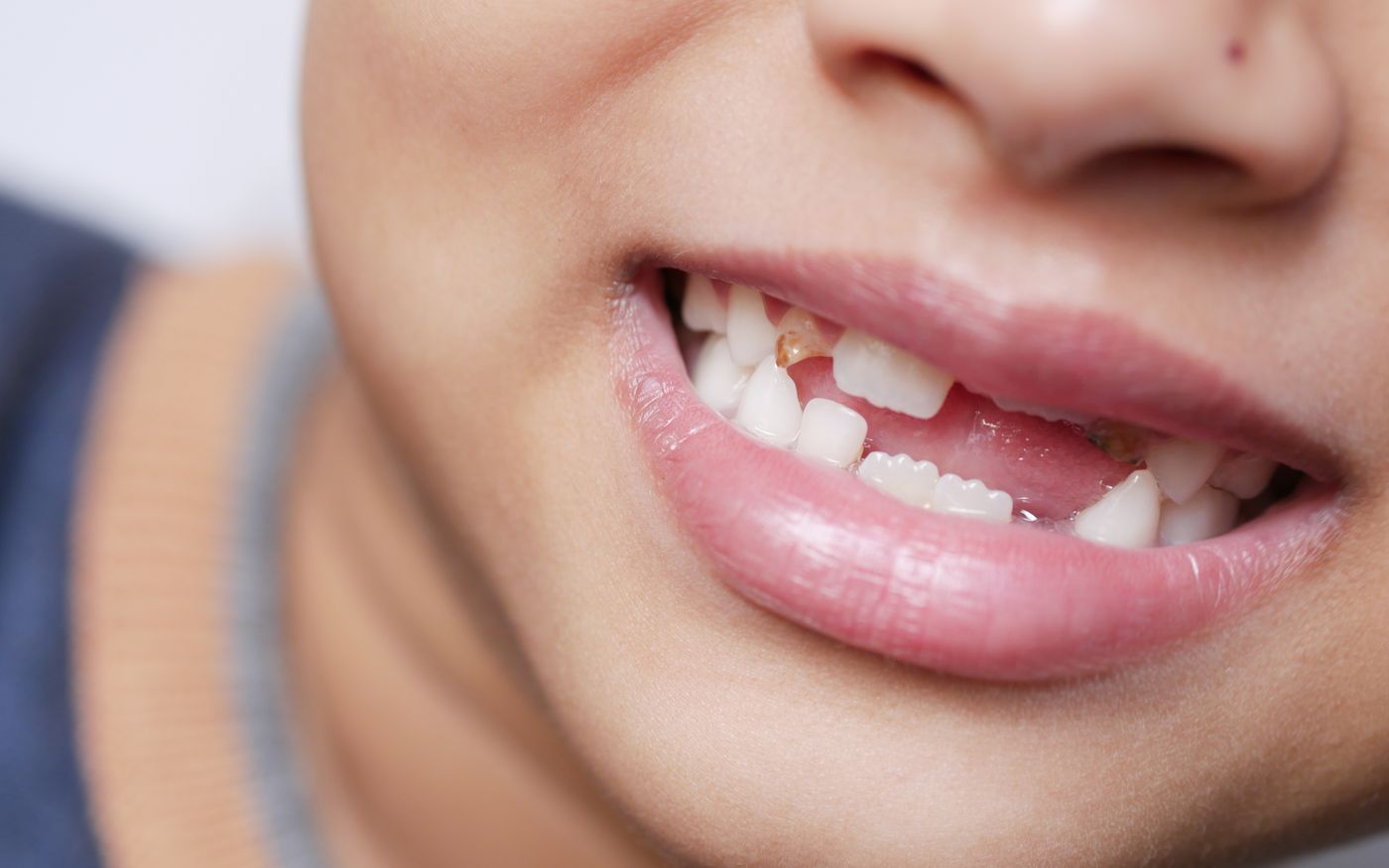
Quick answer: A loose baby tooth is usually part of normal tooth change: its root gradually dissolves while the permanent tooth moves into place. Let the child move it gently only if comfortable; do not force it out. After a fall, pain, swelling, discharge, fever, unusual mobility or early tooth loss, arrange a timely dental assessment.
Reviewed by Dr. Kant Oektem. Last updated: August 2026.
Key points
- Tooth change often starts in the early school years, but the timing and sequence vary between children.
- The root of a baby tooth gradually dissolves as its permanent successor develops and erupts.
- A loose tooth should still be brushed gently; newly erupted permanent molars need special attention.
- Pain, swelling, discharge, fever, unusual mobility or a loose tooth after a fall need timely dental review.
- Early loss can affect the space for permanent teeth; observation or a space-maintaining option depends on the findings.
Why a baby tooth becomes loose
During normal tooth change, the permanent teeth are already developing in the jaw. As they move towards the mouth, the roots of the baby teeth gradually dissolve. The tooth becomes loose and usually falls out without a planned procedure.
Tooth change often begins in the early school years and happens in phases. Age, order and duration vary. A new permanent molar can also erupt behind the baby teeth without a baby tooth falling out first.
- A loose front baby tooth during normal tooth change can be expected.
- Age and sequence are useful orientation, not a diagnosis.
- Baby teeth help with chewing, speech and holding space for permanent teeth.
What parents can do at home
If the tooth is already loose and the child wants to move it, the child can gently wiggle it with clean hands. Do not pull with string, a door or force. If movement or eating hurts, leave the tooth alone and ask the dental practice for advice.
Brushing remains important. Use a soft child-sized toothbrush and age-appropriate fluoride toothpaste. A clean finger behind the loose tooth can provide gentle support while brushing if the brush feels uncomfortable. Newly erupted permanent molars also need careful cleaning.
- Let the child move the tooth gently only if they want to.
- Do not use string, a door or force to remove it.
- Continue gentle brushing twice a day and include new molars.
- Ask the practice about pain, repeated bleeding or uncertainty.
Keep brushing the loose tooth
A loose baby tooth is not a reason to stop oral care. Brush reachable surfaces twice a day with light pressure and clean the gumline carefully. If one spot is tender, change the brush angle or clean from the other side instead of pressing harder.
New permanent teeth can erupt behind the baby teeth during this phase. Their enamel is still maturing, so they need to be included reliably in the daily routine. If a child persistently avoids brushing, the reason should be assessed rather than ignored.
- Use light pressure along the gumline.
- Do not miss permanent molars behind the baby teeth.
- Use fluoride toothpaste according to age and individual advice.
When a loose baby tooth needs a dental check
Arrange a review if a tooth becomes loose much earlier than expected, if the permanent tooth is visible behind it, or if the baby tooth does not fall out. The dentist can assess whether the successor is present and whether an X-ray would help evaluate the root or tooth position.
After a fall, increasing pain, swelling, discharge, fever, a colour change or unusual mobility should be assessed promptly. Injury or infection in a baby tooth can also affect the permanent tooth developing underneath it.
- Distinguish normal tooth change from injury or infection.
- Have a second row, delayed shedding or early loosening checked.
- Do not wait with pain, swelling, fever, discharge or colour changes.
If a baby tooth is lost too early
When a baby tooth is lost through decay or an accident before the permanent successor is ready, neighbouring teeth can move into the gap. Less space may then be available later. This does not mean every child needs a space maintainer: the tooth, age, gap, successor and examination findings all matter.
If a baby tooth is knocked out in an accident, do not put it back into the gap. Contact the dental practice promptly and describe the accident, bleeding, pain and any other injuries. Rapid swelling or difficulty breathing or swallowing requires immediate medical help.
- A naturally shed baby tooth is not put back into the mouth.
- Never reinsert a knocked-out baby tooth.
- Ask whether early loss should be monitored for changes in space.
- After an accident, check the lips, gums and other injuries too.
When urgent help is needed
Rapidly increasing swelling of the face or mouth, difficulty breathing or swallowing, bleeding that cannot be controlled, severe pain with marked illness or a serious head and facial injury are urgent warning signs. Seek immediate medical help and do not wait for a routine dental appointment.
A loose baby tooth without other symptoms can often be discussed at a suitable check-up. After an accident, with signs of infection or when the mobility does not fit normal tooth change, an earlier assessment is sensible. Online information cannot examine a child.
Related guides for parents
You may also find our guides to baby teething and first teeth, the first dental visit, fluoride toothpaste, dental sealants, dental injuries and emergencies and contacting the practice useful. These guides support preparation but do not replace an examination.
FAQ
At what age do baby teeth become loose?
Many children first notice loose baby teeth in the early school years. Tooth change happens in phases, and age, order and duration vary. A dental review is sensible when the tooth becomes loose much earlier than expected, causes symptoms or is lost after an accident.
Should I pull out my child’s loose baby tooth?
Usually, parents do not need to pull a naturally loose baby tooth. If the child wants to, they can gently wiggle a very loose tooth with clean hands. Do not use string or force. After an accident, ask the dental practice what to do.
How should I brush a loose baby tooth?
Keep brushing twice a day with a soft child-sized toothbrush and age-appropriate fluoride toothpaste. Use light pressure and change the angle if a spot is tender. Permanent molars erupting behind the baby teeth also need careful cleaning and adult support.
What if a baby tooth becomes loose after a fall?
Ask the dental practice to assess a loose tooth after a fall, especially with pain, bleeding, swelling, colour change or altered position. A knocked-out baby tooth must not be put back into the gap. Breathing or swallowing problems need immediate help.
What if a baby tooth does not fall out?
Arrange a dental review if the permanent tooth is visible behind the baby tooth or shedding seems delayed. The dentist can assess the tooth, root and successor and decide whether an X-ray or observation is appropriate. Do not try to remove the tooth yourself.
Medical context and sources
These references support patient orientation and do not replace diagnosis, examination or individual treatment planning.
- American Dental Association: Baby teeth
- American Dental Association: Removing a loose tooth
- American Dental Association: Space maintainers
- NHS: Knocked-out tooth
- Guy’s and St Thomas’ NHS: Damaged teeth in children
- Alder Hey Children’s Hospital: Traumatic dental injuries
- KZBV: The natural dentition (German dental authority)
- zahn.de: Early loss and tooth-jaw misalignment (German patient guidance)