
Loose or Fallen-Out Dental Bridge: What to Do Next
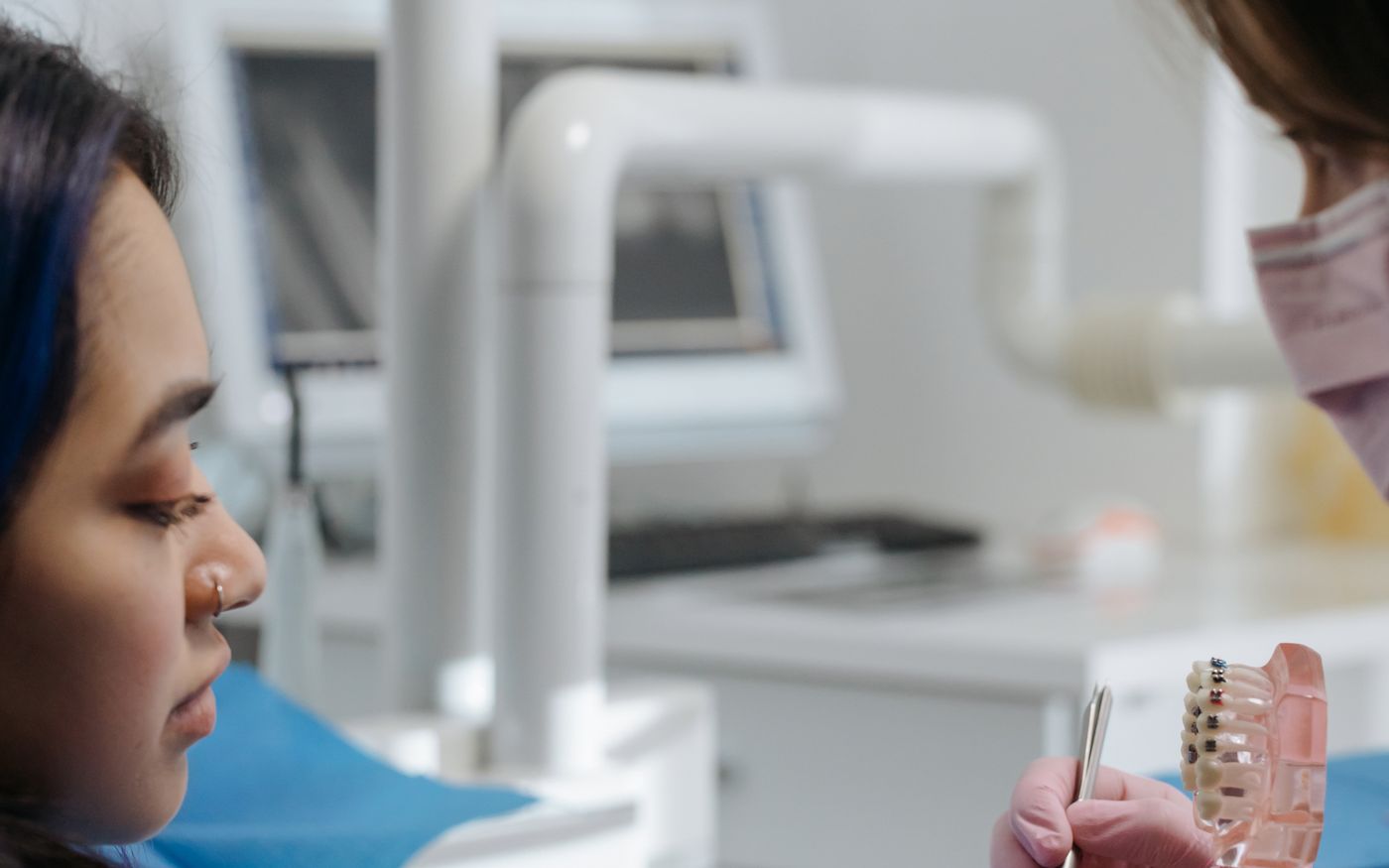
Quick answer: If a dental bridge becomes loose or falls out, keep it safe and arrange a dental check promptly. The supporting teeth, gums, bite and bridge all need assessment. Do not use household glue, and do not wear the bridge again unless the dental practice has specifically advised you to do so after hearing what happened.
Reviewed by Dr. Kant Oektem. Last updated: July 2026.
Key points
- A loose or fallen-out fixed bridge needs a dental assessment.
- Keep the bridge and bring it to the appointment.
- Supporting teeth can develop decay, cracks or inflammation beneath a bridge.
- Household glue and forceful reinsertion can harm teeth and prosthetic work.
- Swelling, fever, severe pain or swallowing and breathing problems are warning signs.
A loose bridge is not meant to be removed normally
A fixed dental bridge is not designed for the patient to take out during everyday life. If it moves while chewing, feels lifted or falls out completely, the cement may have failed. Adhesive bridges can also detach when the bonding cement no longer holds. This does not show whether the supporting teeth remain healthy enough for the bridge to be reattached.
An apparently intact bridge can still hide a problem at a margin, on a supporting tooth or around the gum. Do not try to determine the cause from a mirror or an online description. A dental examination is useful even if the bridge seems to fit again for a short time.
- A fixed bridge is not intended for routine removal at home.
- Loss of cement is only one possible cause.
- Keep the bridge and bring it to the appointment.
- A bridge that fits again is not proof that the supporting teeth are healthy.
What to do straight after it falls out
If the bridge is already loose, remove it carefully and keep it clean and dry in a small box or clean container. Note when it became loose and whether you noticed pain, bleeding, a changed bite or a piece of tooth coming away. This information helps the practice decide how quickly you should be seen.
Call the dental practice and explain whether the bridge is moving or completely out. Until you receive advice, do not probe the area with sharp objects and do not use glue. If the bridge shifts while you speak or swallow, do not continue wearing it.
- Keep the bridge and take it to the appointment.
- Note the timing and any accompanying symptoms.
- Do not use household glue or tools for a home repair.
- Do not keep wearing a bridge that shifts toward the throat.
Why a dental bridge can become loose
A bridge may loosen because the cement has failed, decay has developed at a margin, a supporting tooth has cracked or the restoration has been overloaded. Gum or supporting-tissue disease can also change the condition of the supporting teeth. Implant-supported restorations involve different technical and biological questions from a bridge supported by natural teeth.
The cause may not be located where the movement is first noticed. A supporting tooth can be sensitive, fractured or inflamed even when the bridge itself looks intact. Reattachment is therefore appropriate only after the fit, supporting teeth, gums and bite have been assessed.
- Possible causes include cement failure, decay, cracks or excessive loading.
- Gum and supporting tissues also affect stability.
- A supporting tooth may be affected even when the bridge looks whole.
- The findings determine reattachment, repair or replacement planning.
What the dental team will check
The dentist will examine the bridge, its margins and the supporting teeth. Depending on the symptoms, the assessment may include the bite, gums, tapping or sensitivity tests and an X-ray. The aim is to identify decay, cracks, inflammation, damage to the bridge or an unfavourable load pattern.
A bridge can sometimes be reattached when the fit and supporting structures are suitable. This is not automatic. If a supporting tooth is not stable enough, the bridge no longer fits accurately or other disease is present, the practice may need to discuss a temporary or new restoration. The findings guide the next step.
- The bridge and margins are checked for fit and damage.
- Supporting teeth are assessed for decay, cracks and inflammation.
- The bite, gums and indicated X-rays add clinical information.
- Reattachment requires suitable findings, not just a bridge that looks intact.
Eating, cleaning and wearing it before review
If the bridge has fallen out, chew on the other side where possible and choose softer foods temporarily. Continue gentle brushing of the other teeth and keep the area clean without pressing or levering against a tender supporting tooth. If there is significant pain or an open area, ask the practice how to care for it until the visit.
Do not put the bridge back yourself, even when it appears to fit. It could alter your bite, press on a supporting tooth or shift while speaking or swallowing. The dental practice should advise whether any temporary option is appropriate and whether the bridge may be worn before the appointment.
When a loose bridge is urgent
Report a loose or displaced bridge promptly even when it does not hurt. Faster assessment is especially important with severe or worsening pain, bleeding, swelling, pus, fever, a broken supporting tooth or a clear loss of eating or speaking function. Outside normal hours, an urgent dental service can help triage the problem.
Rapidly increasing swelling of the face, mouth, neck or throat, difficulty swallowing or breathing, or a risk that part of the restoration could enter the airway requires immediate medical help. These signs matter more than whether the bridge itself can be saved.
How long-term replacement planning works
After the immediate review, the options may include reattachment, repair or a new restoration. The team considers the supporting teeth, the gap, bite, cleanability, gum health, medical history and your goals together. Depending on the findings, other forms of tooth replacement may also be discussed rather than assuming that the old bridge is the only path.
A bridge needs ongoing maintenance. The area under the false tooth and along the bridge margins needs suitable cleaning aids. The practice or preventive team can show you which interdental brush, floss threader or other technique fits your construction and how often a review makes sense for your individual risk.
Related patient guides from the practice
You may also find our guides to loose crowns, crowns, bridges and implants, dental abscesses, gum recession, dental emergencies and contacting the practice useful. These guides support preparation but do not replace an examination.
FAQ
What should I do if my dental bridge falls out?
Keep the bridge clean and dry, call the dental practice and bring the restoration to the appointment. Chew on the other side until you receive advice and do not use glue or tools for a repair attempt. Arrange faster help if pain, swelling or a damaged supporting tooth is present.
Can I glue a loose dental bridge back myself?
No. Household glue can harm the mouth and teeth and can make later treatment more difficult. Even if the bridge appears to fit, a supporting tooth, the bite or a bridge margin may be affected. The practice should decide after an examination whether reattachment is suitable.
Can a fallen-out dental bridge be put back?
Sometimes, if the bridge, its fit, the supporting teeth, gums and bite are suitable. Decay, cracks, inflammation or an inaccurate fit may mean that repair or new planning is needed instead. A dentist can make that decision only after examining the bridge and mouth.
Can I eat with a loose dental bridge?
If the bridge is moving, avoid loading it and ask the practice for advice. After it has fallen out, softer foods and chewing on the other side are more cautious. Pain, sharp edges or an open area should prompt a timely dental review rather than continued use.
When is a loose dental bridge an emergency?
Urgent assessment is needed for severe pain, swelling, fever, pus, bleeding, a damaged supporting tooth or major difficulty eating. Rapidly increasing swelling and difficulty swallowing or breathing require immediate medical help, whether or not the bridge is still in your mouth.
Medical context and sources
These references support patient orientation and do not replace diagnosis, examination or individual treatment planning.
- German Association of Statutory Health Insurance Dentists: Dental prosthetics and bridges
- gesund.bund.de: Dental services and dental prostheses
- Consumer Advice Center: What to do if dental prostheses do not fit
- Consumer Advice Center: Comparing bridges, crowns and implants
- Leeds Teaching Hospitals NHS: Bridges
- NHS England: Guidance for urgent and non-urgent dental care
- NHS: Finding urgent or emergency dental care