
Loose or Fallen-Out Dental Crown: What to Do Next
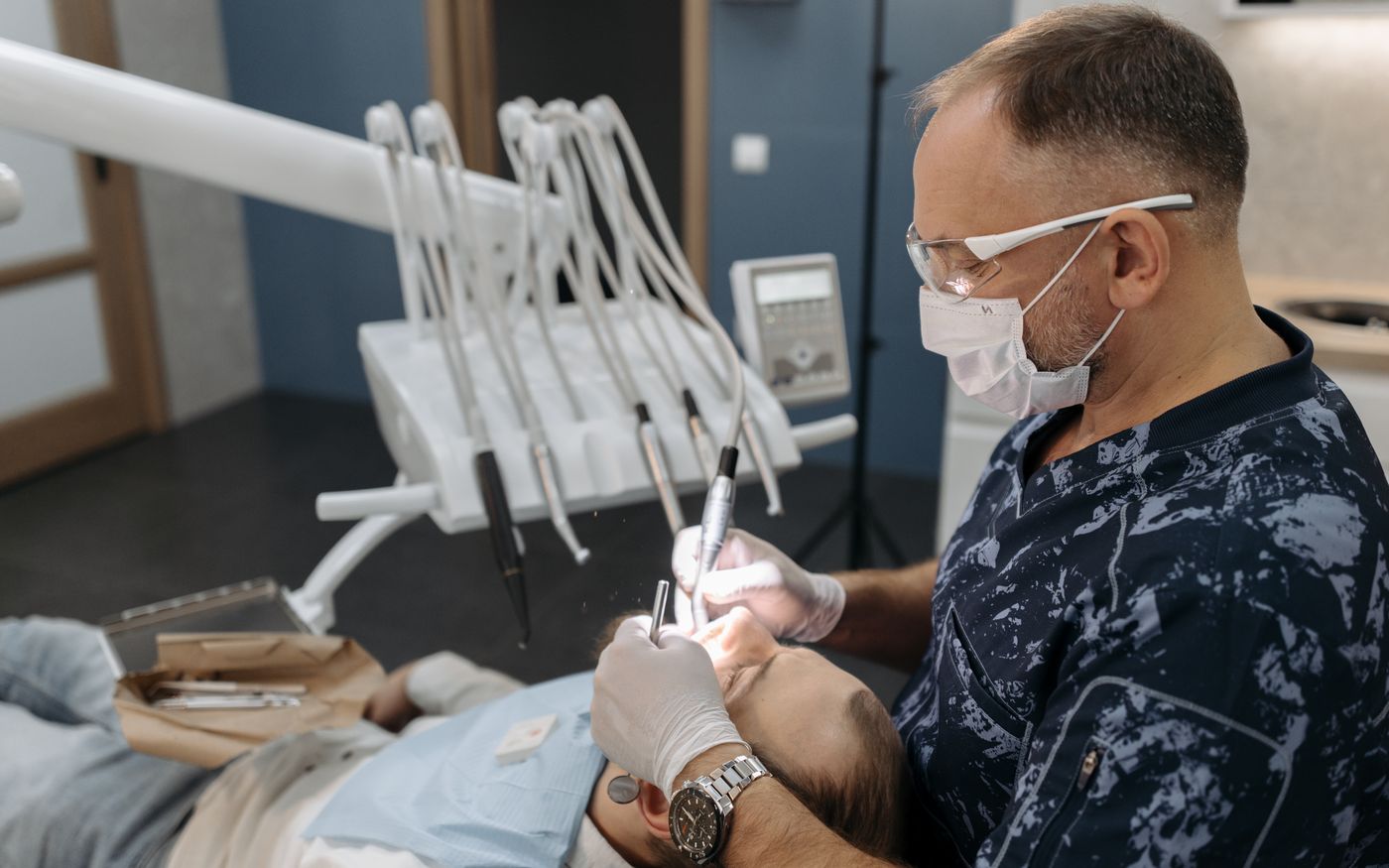
Quick answer: If a dental crown is loose or has come off, keep the crown, reduce chewing on that tooth, and arrange a dental check. Clean gently and do not use superglue. Severe pain, swelling, fever, or difficulty swallowing or breathing are warning signs that need urgent dental or emergency medical assessment.
Reviewed by Dr. Kant Oektem. Last updated: July 2026.
Key points
- A loose or fallen-out crown should be assessed by a dentist in a timely way, even when symptoms are mild.
- Keep the crown clean and safe and bring it to the appointment.
- Hard, sticky, very hot or very cold foods can irritate or load the affected tooth.
- Superglue and household adhesives should never be used in the mouth.
- Severe pain, increasing swelling, fever, or breathing and swallowing problems are urgent warning signs.
Judging the urgency of a loose dental crown
A loose or fallen-out crown is not automatically an ambulance emergency. You should still call the dental practice promptly because the tooth underneath may be sensitive, damaged or less protected. A crown that only moves when you bite should not simply be left under normal chewing forces.
Urgency depends on pain, swelling, crown stability and the condition of the underlying tooth. Tell the practice whether the crown came off completely, whether a piece of tooth came with it and whether your symptoms are getting worse.
What you can do while waiting
Brush the other teeth and the affected area gently with fluoride toothpaste. If the tooth is sensitive, avoid very hot, cold or sweet foods for now and chew on the opposite side when possible. Rinsing with water after eating may help, but it does not replace a dental check.
Do not force the crown back into place or keep it loose in your mouth. If a sharp edge is irritating the cheek, a suitable pharmacy material may provide brief protection when it is specifically intended for that use and followed exactly as directed.
- Rinse the crown gently, dry it and store it safely.
- Keep the tooth clean without probing it with objects.
- Chew on the other side and avoid hard or sticky foods for now.
- Bring the crown and any broken tooth fragment to the appointment.
What not to do
Do not use superglue, nail glue or another household adhesive. These products are not made for use in the mouth and may complicate the examination or later restoration. Do not use tools, needles or improvised objects to press the crown or clean underneath it.
Do not wait for weeks simply because the crown does not hurt. The tooth, crown margin or gum may have changed without obvious symptoms. Whether the crown can be recemented can only be judged reliably after an examination.
What the dental practice will check
The dentist will assess the crown, its fit, your bite and the tooth underneath. The examination also looks for decay, a crack, inflammation or damage to the crown. Depending on the findings, additional diagnostics such as an X-ray may be appropriate.
Possible options range from recementing the crown to repairing it, making a new crown or discussing another restoration. If the underlying tooth is badly damaged, further treatment options need to be explained. The decision depends on the findings and realistic alternatives.
When you need urgent help
Severe or worsening tooth pain, increasing swelling, fever, pus or a markedly reduced ability to open the mouth should be assessed promptly. Breathing difficulty or severe swelling of the mouth, lips, face or neck requires immediate emergency help.
Tell the practice about relevant medicines, blood thinners, allergies and medical conditions. If the crown came off after an accident or a piece of natural tooth is missing, mention this when you call.
Related pages from the practice
You may also find our pages about comparing crowns, bridges and implants, a lost dental filling, dental emergencies, the dental FAQ and contacting the practice useful.
FAQ
What should I do if my dental crown falls out?
Rinse the crown gently, store it safely and arrange a dental check. Keep the tooth clean, chew on the opposite side and avoid hard or very hot and cold foods for now. Do not use superglue, even if the tooth initially causes little discomfort.
Can I put a loose dental crown back myself?
Do not force a loose crown back into place or keep it loose in your mouth. The practice needs to check whether the crown and tooth are intact and whether recementing is appropriate. Bring the crown to the appointment so it can be assessed.
Can I eat with a crown that has come off?
Choose soft foods and chew on the opposite side when possible. Hard, sticky, very hot or cold foods can irritate or load the unprotected tooth. These precautions do not replace a dental check, even if the tooth seems comfortable at first.
Can I use superglue to fix a dental crown?
No. Superglue and household adhesives are not intended for the mouth and may affect the tooth, gum and later dental treatment. Keep the crown safe and arrange an examination instead of trying to create a permanent repair yourself.
When is a loose dental crown urgent?
Severe or worsening pain, swelling, fever, pus or difficulty opening the mouth needs prompt assessment. Breathing or significant swallowing problems and severe swelling of the mouth, face or neck are warning signs requiring immediate emergency help.
Medical context and sources
These references support patient orientation and do not replace diagnosis, examination or individual treatment planning.
- KZBV: Crowns
- zahn.de: Crowns – frequently asked questions
- KZBV: Quality review for crowns and dental prostheses
- NHS Wales: Lost filling or crown
- NHS: Dental treatments – crowns
- NHS: How to find urgent dental care