
Lost Dental Filling: What to Do Next
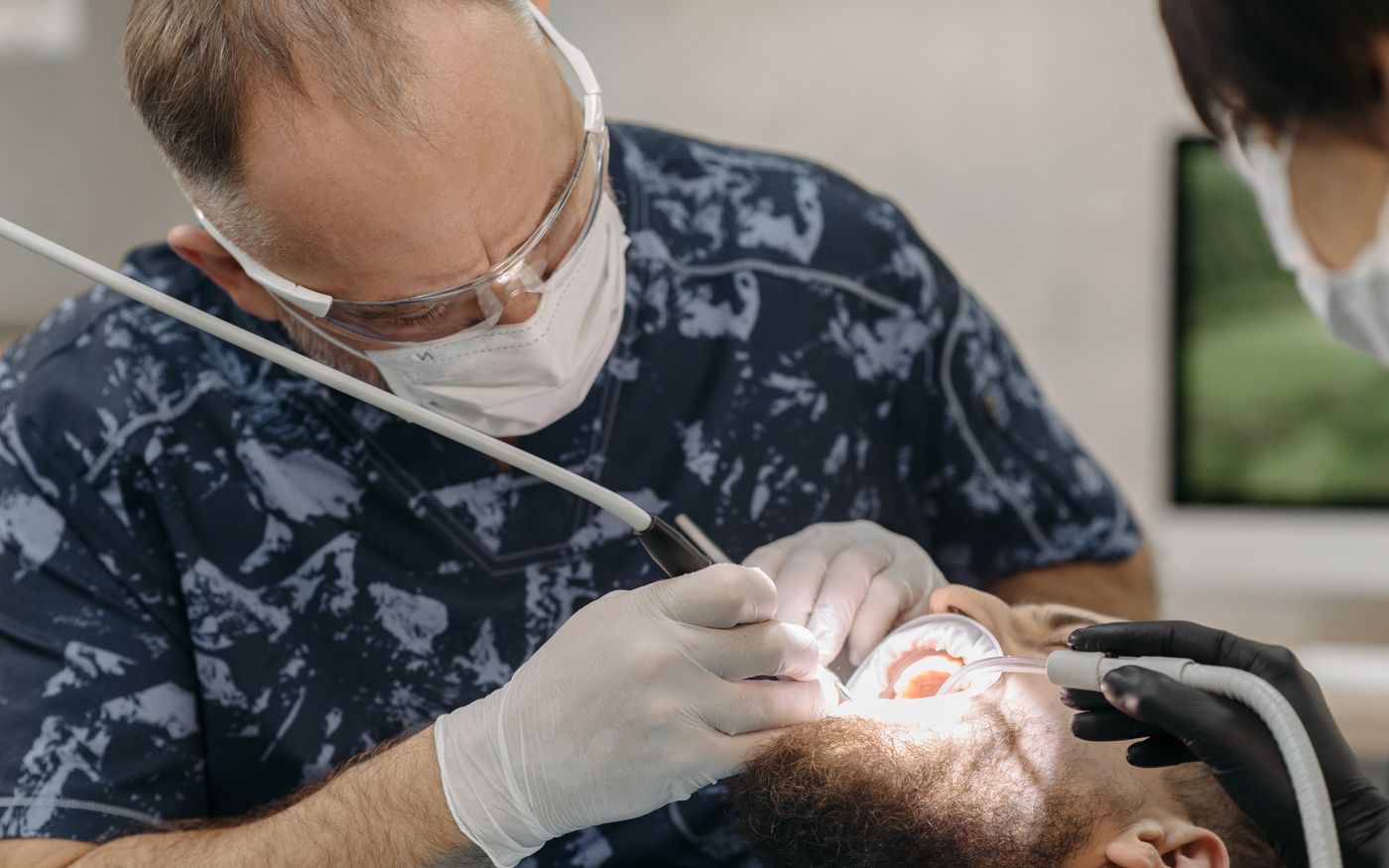
Quick answer: If a dental filling has fallen out, clean the area gently, avoid hard or very hot and cold foods, and arrange a dental check. A pharmacy temporary filling material may protect the area briefly when used exactly as directed. Do not use superglue. Severe pain, swelling or fever needs urgent assessment.
Reviewed by Dr. Kant Oektem. Last updated: July 2026.
Key points
- A lost or loose filling should be assessed by a dentist even when symptoms are initially mild.
- Fluoride toothpaste and careful cleaning help keep the area as clean as possible before the appointment.
- Hard, sticky, very hot or very cold foods can increase irritation or loading on the tooth.
- Temporary filling material is only a short-term bridge and must be used according to its instructions.
- Severe pain, increasing swelling, fever, or breathing and swallowing problems are warning signs.
Is a lost filling a dental emergency?
A lost filling is not always an ambulance emergency, but it should be checked by a dentist in a timely way. The tooth may be sensitive, weakened or affected by the reason the filling came out. A loose filling should not simply be left under normal chewing forces.
The urgency depends on pain, swelling, the size of the defect and its cause. If symptoms increase or hot and cold trigger strong sensitivity, call the practice and explain what happened rather than relying on an online diagnosis.
What you can do while waiting
Continue brushing twice a day with fluoride toothpaste and clean the affected area gently. After eating, you can rinse with water if food collects, but do not probe the opening with objects. A toothpaste for sensitive teeth may be useful for a sensitive area when used according to its instructions.
Chew on the opposite side when practical and choose soft foods. Very hot, cold or sweet foods can irritate an exposed area. If a sharp edge catches the cheek or tongue, a suitable pharmacy temporary material may provide short-term protection when used as directed.
- Keep the tooth clean without scrubbing aggressively or avoiding it completely.
- Chew on the other side when that is practical.
- Avoid very hot, cold, hard and sticky foods for the moment.
- Use temporary material only as instructed and never as a final repair.
What not to do
Do not attach a filling with superglue or another household adhesive. These products are not intended for use in the mouth and may complicate later dental care. Do not insert sharp tools, needles or improvised objects into the opening either.
Do not wait for weeks simply because the tooth does not hurt yet. A filling can be lost because of decay, a fracture, a defective margin or chewing forces. The cause cannot be confirmed safely from a photograph or online description.
What the dental practice will check
The dentist will examine the tooth, filling margin, bite and surrounding gum. Depending on the findings, an X-ray or other diagnostic step may be appropriate. The assessment also considers whether the tooth is stable enough and whether decay, a crack or inflammation needs attention.
Possible options range from a temporary repair to a new filling or a larger restoration. If the tooth is severely damaged, root canal treatment or removal may need to be discussed. The appropriate choice depends on examination findings, alternatives and your overall treatment plan.
When you need urgent help
Severe or worsening tooth pain, increasing swelling, fever, pus, marked difficulty swallowing or reduced ability to open the mouth should be assessed promptly. Breathing difficulty or severe swelling of the mouth, lips, face or neck requires immediate emergency help.
Tell the practice about relevant medicines, blood thinners, allergies and medical conditions. If the filling came out after an accident or a piece of tooth also broke, mention that when you call.
Related pages from the practice
You may also find our pages about dental fillings for tooth decay, dental emergencies, a cracked or chipped tooth, sensitive teeth, the dental FAQ and contacting the practice useful.
FAQ
What should I do if my dental filling falls out?
Keep the area clean, avoid hard or very hot and cold foods, and arrange a dental check. Pharmacy temporary filling material may provide brief protection when used as directed. Do not use superglue, and do not delay for weeks simply because the tooth initially causes little discomfort.
Is a lost filling urgent?
A lost filling should be checked in a timely way. Severe pain, increasing swelling, fever, pus or strong sensitivity make assessment more urgent. Breathing or swallowing problems and severe swelling of the mouth or neck are warning signs requiring immediate emergency help.
Can I eat with a lost filling?
Choose soft foods and chew on the opposite side when possible. Hard, sticky, very hot or very cold foods may irritate or load the exposed tooth. The right restrictions depend on the defect and sensitivity, but a dental check should still be arranged promptly.
Can I replace a lost filling myself?
A pharmacy temporary filling material can be a short-term bridge when the instructions are followed carefully. It does not replace an examination or definitive care. Superglue, household adhesives, tools and improvised objects should never be placed in the mouth or inside the opening.
What will the dentist do for a lost filling?
The dentist examines the tooth, filling margin, bite and gum and may recommend additional imaging. Depending on the findings, treatment could include a repair, a new filling or another restoration. If the tooth is badly damaged, other options must be discussed after examination.
Medical context and sources
These references support patient orientation and do not replace diagnosis, examination or individual treatment planning.
- KZBV: Which dental fillings are available?
- BLZK: Modern filling therapy
- NHS Wales: Lost filling or crown
- NHS Wales: Lost filling? Patient poster
- NHS: How to find urgent dental care
- DGZMK: Patient information on dental filling materials