
Mouth Ulcers and Canker Sores: When to Book a Dental Check
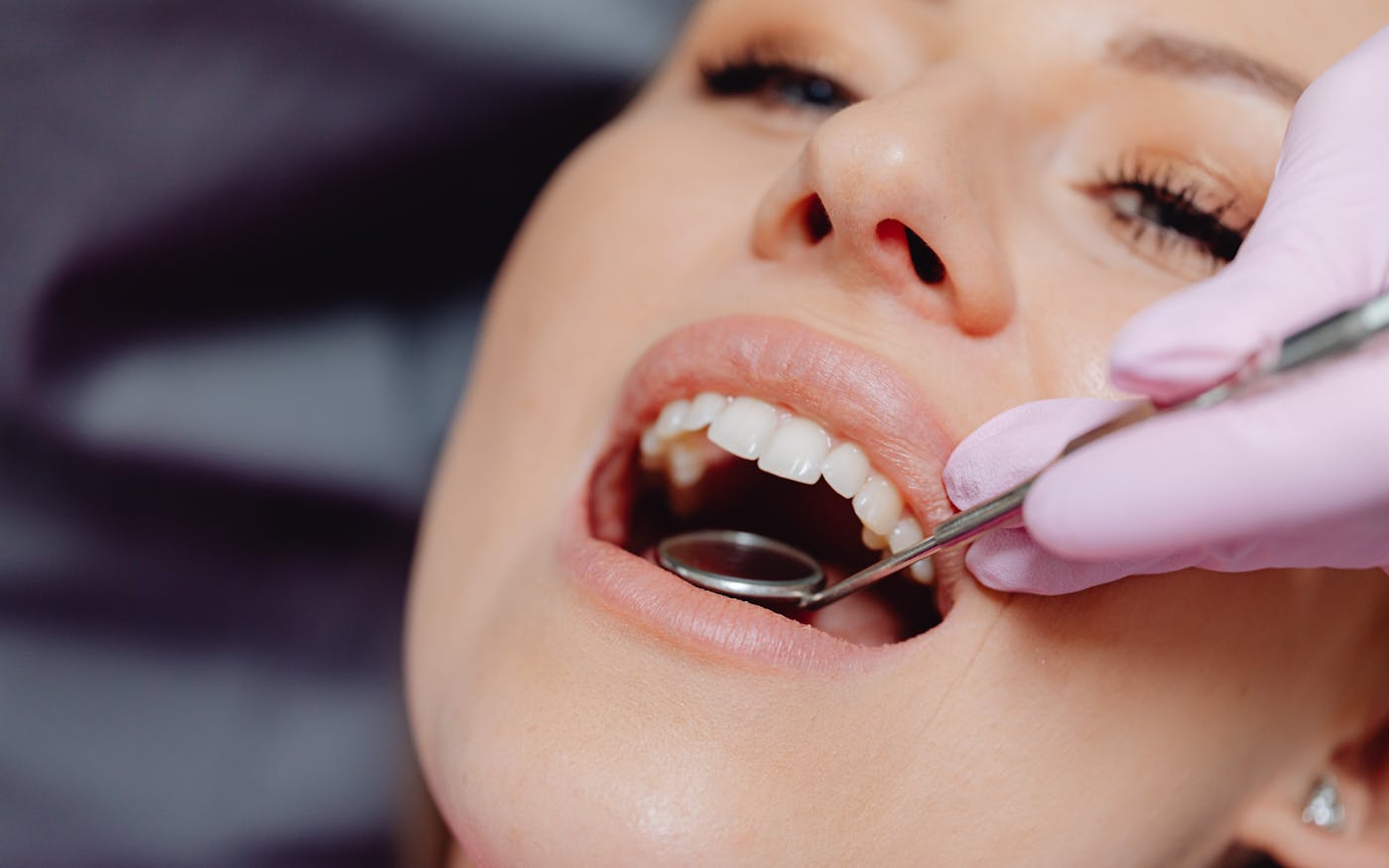
Quick answer: Mouth ulcers or canker sores are painful sore areas inside the mouth and are different from cold sores on the lip. Small ulcers often settle on their own. Book a dental or medical check if an ulcer is very large, keeps coming back, lasts longer than two weeks, or appears with fever or eating difficulty.
Reviewed by Dr. Kant Oektem. Last updated: May 2026.
Key points
- Canker sores usually form inside the mouth, not on the outer lip.
- Minor injury, stress, certain foods or nutritional factors can contribute to mouth ulcers.
- Very large, frequent or persistent mouth ulcers should be assessed clinically.
- Sharp tooth edges, braces or dentures can irritate the oral lining.
- Online photos cannot replace an examination when a sore looks unusual or does not settle.
How canker sores usually look
Canker sores often appear as round or oval sore areas with a white or yellow center and a red border. They can make eating, drinking, speaking or toothbrushing uncomfortable.
They are not the same as cold sores. Canker sores form inside the mouth, while cold sores often appear on the outer lip and have a different cause.
- Painful sore on the inner cheek, inner lip, tongue, gum or soft palate.
- Burning or tingling before the sore is visible.
- More discomfort with acidic, spicy, rough or very hot foods.
- Recurring episodes without one obvious trigger.
Possible triggers and local irritation
The exact cause is not always clear. Patient sources describe possible links with minor mouth injuries, firm brushing, accidental cheek biting, stress, hormonal factors, certain foods and nutritional deficiencies.
Local irritation can also matter. A sharp filling edge, chipped tooth, orthodontic appliance or rubbing denture can repeatedly injure the oral lining.
- Mechanical irritation from teeth, restorations, braces or dentures.
- Acidic, spicy or rough foods when they clearly trigger symptoms.
- Dry mouth when the oral lining feels more vulnerable.
- Recurring ulcers with general symptoms or known medical conditions.
Self-care that may reduce irritation
Self-care can reduce discomfort, but it does not replace diagnosis when warning signs are present. The goal is to protect the oral lining and avoid extra irritation.
- Use a soft toothbrush and gentle brushing technique.
- Temporarily avoid acidic, spicy, sharp-edged or very hot foods.
- Choose alcohol-free oral care products if rinses sting.
- Drink enough water and ask about dry mouth if symptoms recur.
- Avoid home remedies that burn or strongly irritate the mouth lining.
When to book a dental check
Book a check if a sore lasts longer than two weeks, is unusually large, keeps returning, causes strong pain or makes eating and drinking difficult. Fever, feeling unwell, weight loss or several new sores should also be taken seriously.
A dental visit can review the oral lining, teeth, fillings, dentures, dry mouth signs and possible rubbing points. If the finding is not dental, medical or specialist assessment may be appropriate.
Related topics at the practice
Depending on the cause, these guides may help: dry mouth, cracked or chipped tooth, professional dental cleaning, sensitive teeth, FAQ or contact the practice.
FAQ
What are canker sores?
Canker sores are painful, usually round ulcers inside the mouth. They often appear on the inner cheek, inner lip, tongue, gum or soft palate. A pale center with a red border and burning during eating or brushing are common signs.
Are canker sores contagious?
Typical canker sores are not considered contagious and are different from cold sores. Cold sores often appear on the outer lip and have a different cause. If a sore looks unusual or keeps returning, it should still be assessed.
What can I do at home?
Gentle brushing, a soft toothbrush and avoiding spicy, acidic or sharp-edged foods can reduce irritation. Pharmacy products may provide short-term protection. Avoid remedies that burn, scrape or strongly irritate the mouth lining.
When should I see a dentist?
Book a check if an ulcer lasts longer than two weeks, is very large, keeps coming back, causes strong pain or makes eating and drinking difficult. Fever, feeling unwell, weight loss or several new sores need assessment.
Can teeth or dentures trigger ulcers?
Sharp tooth edges, leaking filling margins, braces or rubbing dentures can irritate the oral lining and contribute to sore areas. A dental check can identify whether a local rubbing point is involved and whether adjustment is sensible.
Medical context and sources
These references support patient orientation and do not replace diagnosis, examination or individual treatment planning.
- gesund.bund.de: Canker sores
- NIDCR: Fever Blisters and Canker Sores
- Mayo Clinic: Canker sore symptoms and causes
- NHS: Mouth ulcers
- NCBI InformedHealth: Canker sores overview