
Mouthwash: When It Helps and How to Use It
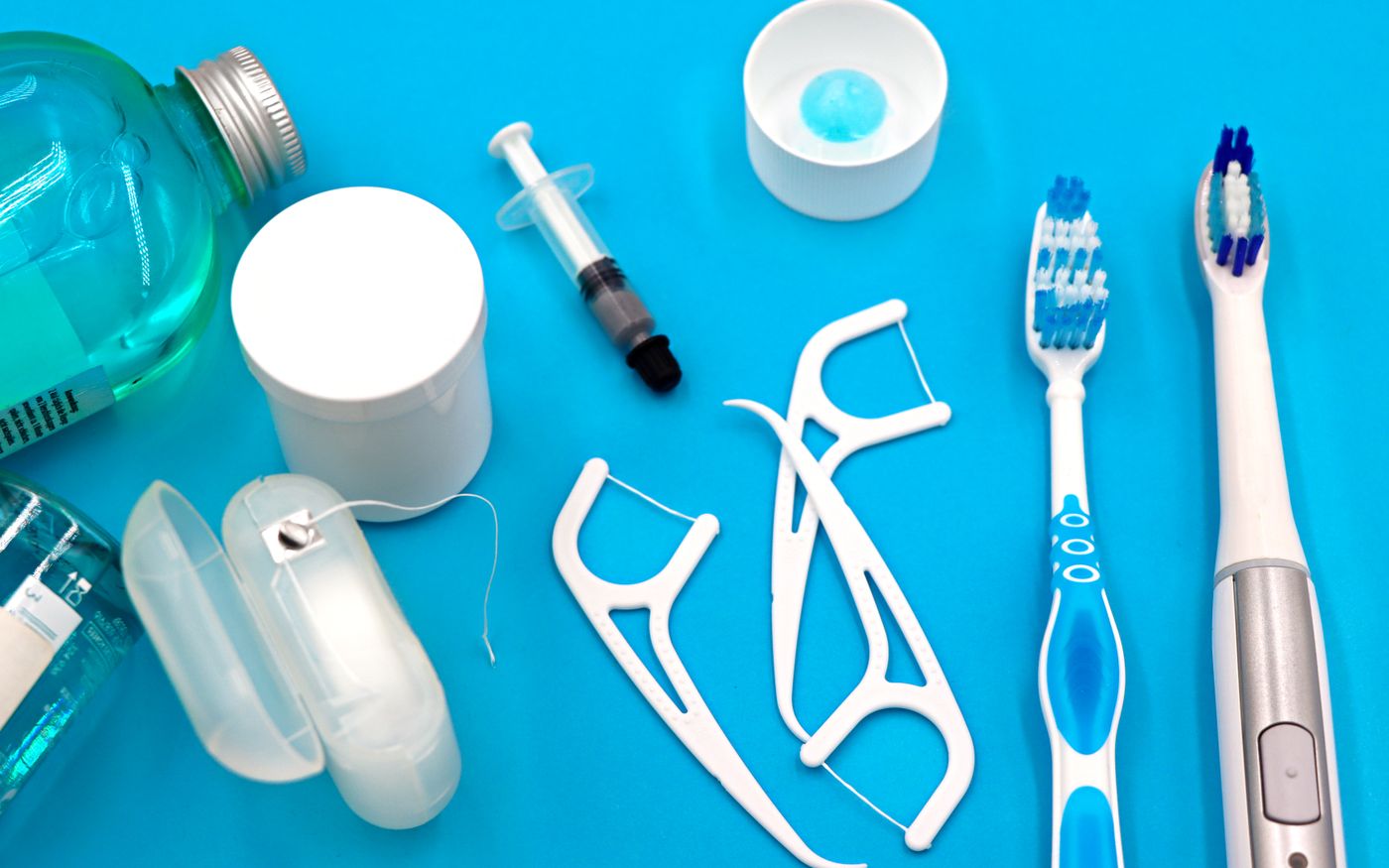
Quick answer: Mouthwash can add to daily oral care, but it does not replace twice-daily fluoride toothpaste or cleaning between the teeth. A fluoride rinse is usually used at a different time of day so it does not wash toothpaste fluoride away. Antiseptic rinses containing chlorhexidine should match a dental indication and be used only for a limited period.
Reviewed by Dr. Kant Oektem. Last updated: August 2026.
Key points
- Mouthwash adds to brushing and interdental cleaning; it does not replace either step.
- A fluoride rinse may support people with a higher cavity risk.
- A fluoride rinse is better not used straight after brushing with fluoride toothpaste.
- Chlorhexidine is an antiseptic treatment for selected conditions, not a permanent routine.
- For children, age guidance, safe spitting and a dentist’s advice matter especially.
What mouthwash can and cannot do
Depending on its ingredients, a mouthwash can freshen breath temporarily or help support plaque control, gum health or cavity prevention. A rinse can also reach areas a toothbrush does not easily access. That does not make it a substitute for mechanical cleaning.
Brushing and suitable interdental cleaning remove the sticky plaque attached to teeth. Using mouthwash only to cover bad breath can miss a possible cause, such as tongue coating, gum inflammation, decay, dry mouth or poorly cleaned dental appliances.
- Brush twice daily with fluoride toothpaste.
- Clean between the teeth daily with a suitable aid.
- Choose mouthwash only as an addition, based on its ingredients, risk and instructions.
When a fluoride rinse may fit
Fluoride can make tooth surfaces more resistant to decay. A fluoride mouthwash may be considered when cavity risk is higher or when cleaning is difficult. It is not automatically necessary for everyone, because fluoride toothpaste is usually the foundation of cavity prevention.
Whether an additional rinse fits can depend on previous decay, fixed braces, exposed roots, dry mouth, cleaning ability and other fluoride sources. The dental team can help match the product, concentration and frequency to the individual situation.
The right timing in your routine
After brushing, spit out excess toothpaste but do not immediately rinse vigorously with water or mouthwash. This can dilute the concentrated fluoride left by toothpaste. A fluoride rinse usually fits better at another time of day, such as after lunch.
Always follow the product instructions. Many fluoride rinses should not be swallowed, and eating or drinking may need to wait for the stated time after rinsing. The sequence can differ for medicines or specialist products.
Antiseptic rinses are treatment, not a permanent solution
Antiseptic rinses containing ingredients such as chlorhexidine can form part of a treatment plan for selected gum conditions or after certain procedures. They do not replace diagnosis, professional cleaning or appropriate home care.
Chlorhexidine is normally used for a limited period. Longer use can cause staining on teeth, restorations or the tongue and can alter taste. Dental directions, the product leaflet and spacing it from toothpaste therefore matter.
When to ask the practice for advice
Ask about a suitable mouthwash if you have frequent new decay, fixed braces, recurrent gum bleeding, dry mouth, limited hand movement or extensive dental appliances. After a procedure, use only the rinse and timing your dental team recommends.
Mouthwash is not emergency treatment for pain, swelling, pus, fever or worsening symptoms. Contact the practice promptly. Rapidly increasing swelling, breathing difficulty or swallowing difficulty needs immediate medical help.
Related guides from the practice
You may also find our guides to fluoride toothpaste, interdental cleaning, professional dental cleaning, cleaning fixed braces, dry mouth and contacting the practice useful. These guides support preparation but do not replace an examination.
FAQ
Does mouthwash replace brushing?
No. Mouthwash can reach places a toothbrush does not easily reach, but it does not reliably remove the sticky plaque from teeth. Fluoride toothpaste and daily cleaning between the teeth remain the foundation. A rinse may add support depending on its ingredients, risk and correct use.
When might a fluoride rinse fit?
A fluoride rinse may be considered for a higher cavity risk or a situation that is hard to clean well. It is not automatically necessary for everyone. Age, cavity and gum findings, other fluoride sources and the label or personal recommendation all matter.
Should I use mouthwash straight after brushing?
Usually no when fluoride toothpaste is part of your routine. Rinsing immediately after brushing can dilute or wash away the fluoride left on teeth. Use a fluoride mouthwash at a different time, such as after lunch, and follow the product instructions for eating and drinking.
Is chlorhexidine mouthwash for daily use?
Chlorhexidine is an antiseptic rinse that may be used for selected dental conditions or after certain procedures. It is not a long-term substitute for usual oral care. Follow dental advice about dose, timing and duration, because prolonged use can cause staining and taste changes.
Should children use mouthwash?
Age guidance and the ability to spit safely matter for children. Children younger than six should use mouthwash only when a dentist directs it, because swallowing is more likely. For older children and teenagers, a fluoride rinse depends on individual cavity risk and product instructions.
Medical context and sources
These references support patient orientation and do not replace diagnosis, examination or individual treatment planning.
- gesund.bund.de: Preventive dental care and oral hygiene
- KZBV: Prevention and early detection (German patient guidance)
- German Dental Association: Fluoride measures for preventing tooth decay
- NHS: How to keep your teeth clean
- American Dental Association: Mouthrinse (Mouthwash)
- NHS: How and when to use chlorhexidine