
Snoring Appliance or Bite Guard: What Is the Difference?
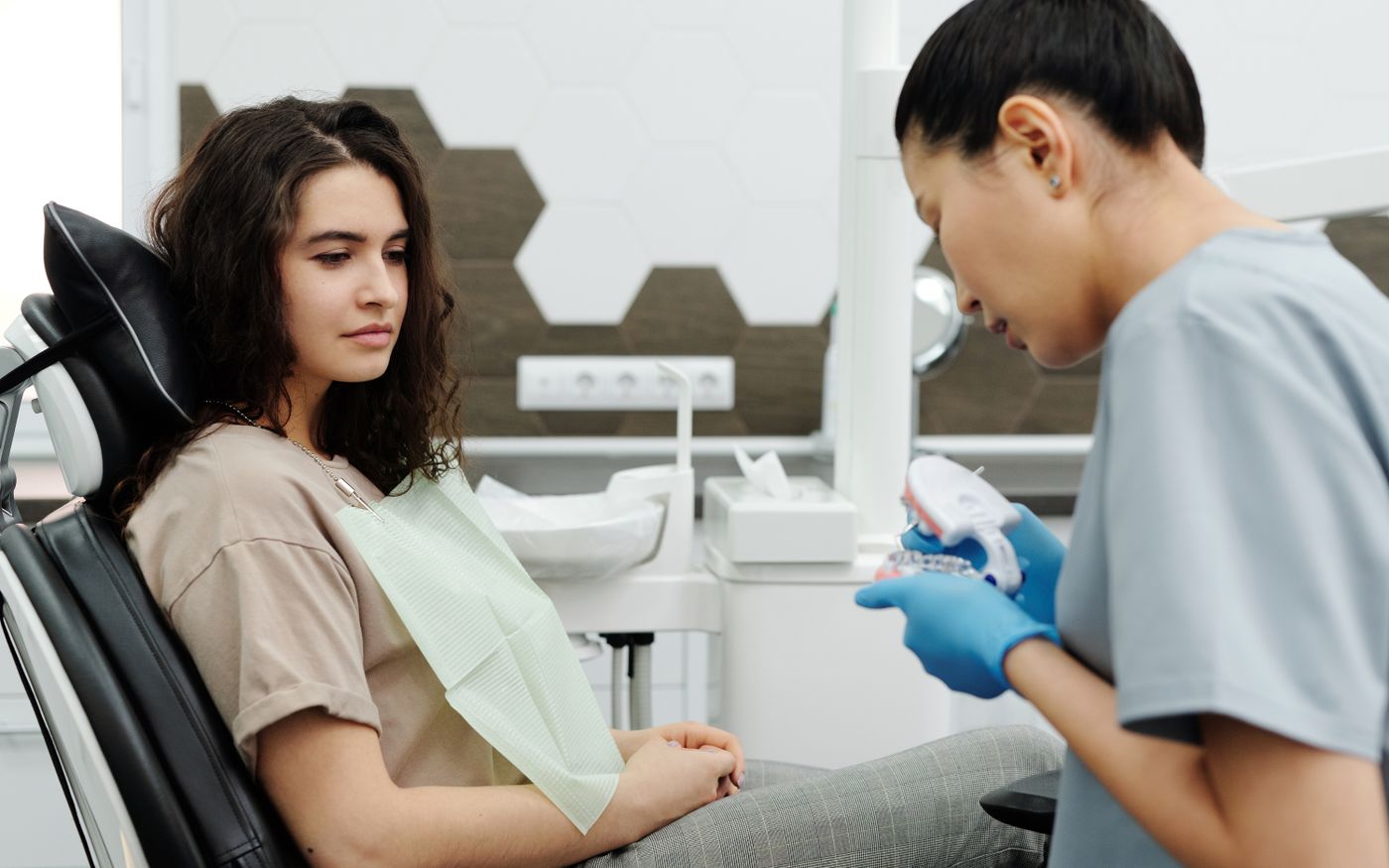
Quick answer: A snoring appliance and a bite guard can look similar, but they address different problems. A snoring appliance may support the upper airway when a sleep-related breathing indication is confirmed; a bite guard is mainly used for bruxism and tooth or jaw loading. Witnessed pauses or marked daytime sleepiness need sleep-medicine assessment first.
Reviewed by Dr. Kant Oektem. Last updated: September 2026.
Key points
- A snoring appliance targets the airway and sleep-related breathing, while a bite guard targets tooth and jaw loading.
- Snoring alone does not prove sleep apnoea; witnessed pauses, gasping and marked daytime sleepiness need assessment.
- A regular bite guard does not automatically treat sleep apnoea and cannot replace sleep-medicine diagnostics.
- Fit, teeth, gums, bite and jaw joints should be assessed before fitting and during follow-up.
- Patients from Konstanz and Kreuzlingen should bring available sleep and dental records to the consultation.
The two appliances have different goals
The terms are not always used consistently in everyday conversation. A snoring appliance usually means a mandibular advancement appliance that holds the lower jaw forward during sleep and is intended to influence the upper airway. A bite guard is mainly used when clenching, grinding or certain jaw complaints put teeth and muscles under load.
The devices can look similar, but appearance does not establish the indication. Sleep symptoms, breathing assessment, teeth, bite and jaw joints all matter. An online description or product name cannot identify which appliance is suitable for an individual patient.
- Snoring appliance: support for the airway during sleep.
- Bite guard: limits the consequences of clenching and grinding.
- A similar plastic shape does not mean the same treatment purpose.
Snoring and sleep apnoea need separate assessment
Snoring can occur without breathing pauses. When a bed partner notices pauses, gasping or choking, or when a person has marked daytime sleepiness, morning headaches or poor concentration, sleep apnoea should be assessed. An appliance should not be used as a substitute for diagnosis.
Assessment may include a history, examination and, depending on the situation, home sleep testing or a sleep-laboratory study. Our existing guide to snoring appliances explains the general dental connection; it cannot replace personal sleep-medicine evaluation.
- Take witnessed pauses or gasping seriously.
- Mention severe daytime sleepiness and concentration problems.
- Record morning dry mouth and headaches when they recur.
- Include medical or sleep-medicine advice before choosing an appliance.
An airway appliance is planned around the diagnosis
For obstructive sleep apnoea, a mandibular advancement appliance is not selected only because the snoring is loud. The sleep-medicine indication, severity, teeth, gums, bite and jaw joints belong in one plan. A custom, adjustable appliance with review is commonly considered when the medical and dental findings support it.
Depending on the findings, options can also include positive-airway-pressure treatment, positional measures, weight-related measures, nasal treatment or other sleep-medicine care. There is no universal choice for every patient. The decision should include diagnosis, daily use, limitations and follow-up.
- Bring the sleep assessment and combine it with a dental examination.
- Check teeth, gums, bite and jaw joints before fitting.
- Plan adjustment, adaptation and follow-up reviews.
- Discuss alternative or combined sleep treatments where relevant.
A bite guard is planned around tooth and jaw loading
A bite guard is fitted over the upper or lower teeth when signs of bruxism or jaw loading are present. It can separate the tooth rows and limit consequences for teeth, fillings, restorations, chewing muscles or jaw joints. It does not automatically remove stress, sleep problems or another underlying trigger.
Clues include worn or sensitive teeth, damaged fillings, morning muscle tension, jaw or ear pain and grinding noticed by a partner. Our guide to teeth grinding and bruxism explains these signs and the limits of a guard. A changed bite or ongoing pressure needs review.
- Assess tooth damage, muscle symptoms and jaw joints together.
- Treat the guard as protection and monitoring, not a universal solution.
- Report pressure spots, looseness or new symptoms promptly.
The neutral comparison uses purpose, findings and limits
Start with the problem that needs clarification. Night-time snoring with breathing clues points first toward sleep-medicine assessment. Tooth wear, clenching or jaw-muscle pain points toward bruxism and loading of the chewing system. When symptoms overlap, medical and dental professionals may both need to be involved.
Effort and care also depend on more than the plastic material. An airway appliance needs an indication, precise adjustment and review. A bite guard needs a suitable bite, cleaning and monitoring of symptoms. Guidance on dental treatment planning and the dental FAQ can help prepare questions without selecting an appliance online.
- Purpose: support the airway or limit tooth and jaw loading.
- Findings: assess sleep symptoms, teeth, gums, bite and joints.
- Effort: plan fitting, adaptation and reviews realistically.
- Care: clean the appliance as instructed and store it dry.
- Limits: online information cannot diagnose the cause or the indication.
Fitting, adjustment and daily care belong together
Bring available sleep tests, medical recommendations, dental X-rays, a medication list and information about tooth damage or jaw symptoms. The number of visits depends on the findings, appliance type, laboratory process and adjustment needed; a fixed appointment sequence does not fit every case.
During adaptation, increased saliva, dry mouth, pressure or temporary jaw tension can occur. Persistent discomfort, a changed bite or poor fit should be reviewed. A soft brush, lukewarm water and the practice instructions are more useful for cleaning than harsh household products.
Patients travelling from Kreuzlingen should gather medical and dental records before travelling and plan follow-up realistically. A dental check-up and professional cleaning serve different purposes from the appliance itself.
Warning signs need prompt review
Breathing pauses, night-time gasping, severe daytime sleepiness or an injury should not be reduced to an appliance choice. New or increasing tooth pain, swelling, discharge, a loose restoration or pronounced jaw symptoms also need timely dental advice.
Rapidly increasing swelling of the mouth, face or neck, or difficulty breathing or swallowing, requires immediate medical help. Our guide to dental emergencies gives related orientation. For a planned consultation, use the practice contact page to arrange the next step.
Questions for an individual appliance consultation
Take one central question to the appointment: is the goal breathing during sleep, protection from bruxism or both? Also ask which assessment is needed, which appliance is being considered, which alternatives exist, how adaptation and cleaning work, when reviews are needed and which symptoms should prompt an earlier call.
FAQ
Is a snoring appliance the same as a bite guard?
No. A snoring appliance usually advances the lower jaw for a sleep-related breathing indication. A bite guard is mainly used for clenching and grinding to limit loading on teeth and the chewing system. Both need individual assessment and fitting; they are not interchangeable because they look similar.
Which appliance is used for teeth grinding?
A bite guard may be considered when grinding causes tooth wear, sensitivity, muscle symptoms or jaw-joint problems. The material, coverage, bite and wearing schedule depend on the findings. A guard can protect against loading consequences but does not automatically remove stress, sleep problems or another trigger.
Can a bite guard treat sleep apnoea?
A regular bite guard is not automatically a treatment for sleep apnoea. Witnessed pauses, gasping or marked daytime sleepiness need sleep-medicine assessment first. A specifically planned mandibular advancement appliance is considered only when the indication, dental findings, fitting and follow-up are appropriate.
When should snoring be assessed for sleep apnoea?
Assessment is important when a bed partner notices pauses, gasping or choking, or when snoring comes with severe daytime sleepiness, poor concentration or morning headaches. Snoring that persists despite sensible measures or seriously disturbs sleep also deserves medical and, when indicated, sleep-medicine review.
What should patients from Kreuzlingen bring to an appointment?
Bring available sleep-test results or medical recommendations, dental X-rays, a current medication and allergy list, and information about tooth wear, jaw symptoms or previous appliances. Before travelling, clarify fitting, adjustment, follow-up and the number of visits that may be needed for your individual plan.
Medical context and sources
These references support patient orientation and do not replace diagnosis, examination or individual treatment planning.
- NHS: Snoring
- NHS: Teeth grinding
- American Dental Association: Sleep Apnea and Snoring
- American Dental Association: Teeth Grinding
- American Academy of Dental Sleep Medicine: Oral Appliance Therapy
- Guy's and St Thomas' NHS: Mandibular repositioning appliance
- AASM/AADSM clinical guideline on oral appliance therapy
- NIDCR: Bruxism and teeth grinding