
Sports Mouthguards in Konstanz: Protecting Teeth During Activity
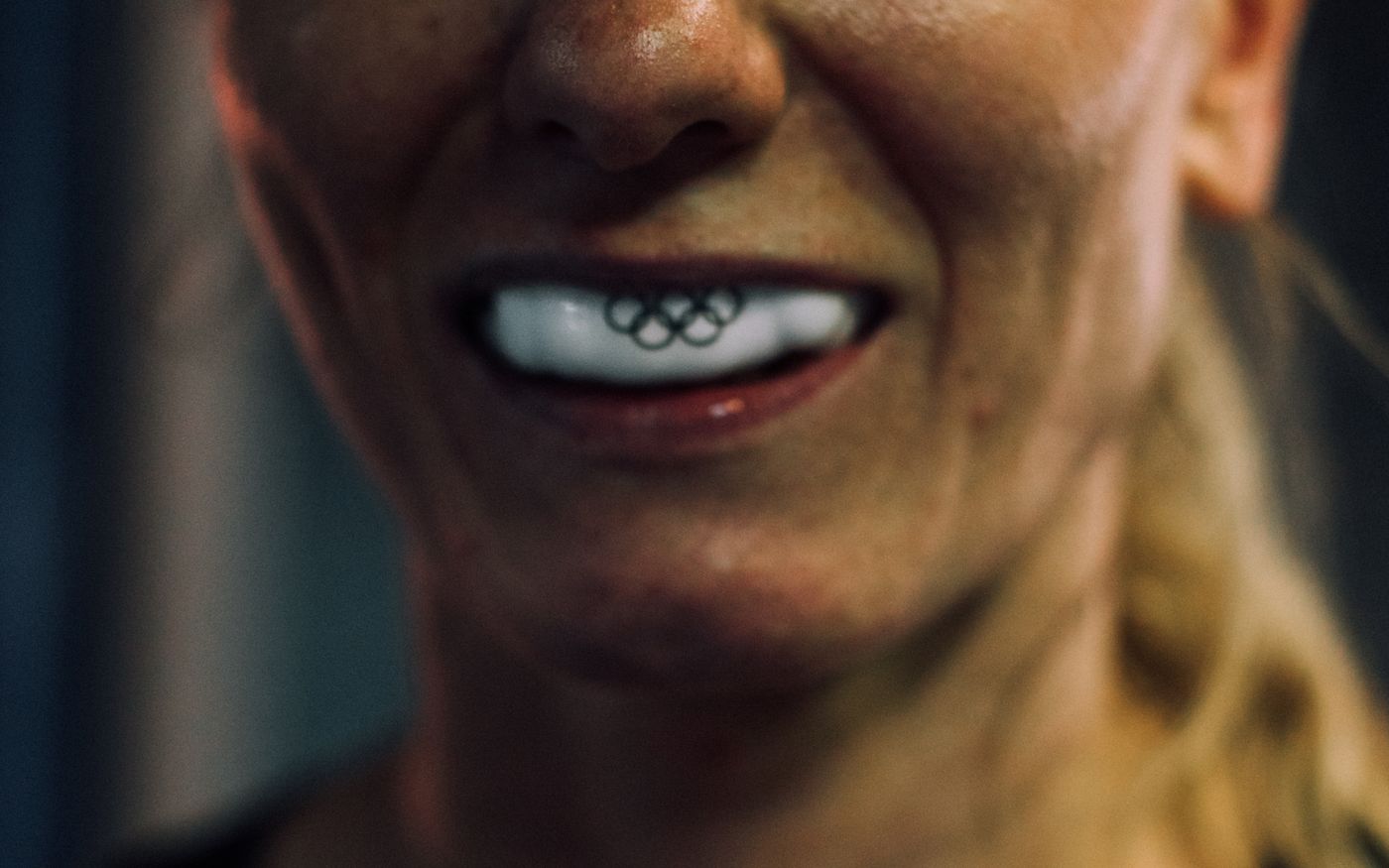
Quick answer: A mouthguard is useful for contact, ball and other activities with a meaningful fall or impact risk. It can protect teeth and soft tissues, but it does not replace a helmet or other safety equipment. Fit, size, cleaning and timely replacement matter, especially for children, braces and guards that have taken an impact.
Reviewed by Dr. Kant Oektem. Last updated: July 2026.
Key points
- A well-fitted mouthguard can reduce the risk and severity of sports-related oral injuries.
- Contact, ball and selected recreational sports can make dental protection useful.
- Stock, boil-and-bite and custom-fitted mouthguards differ in retention and adaptation.
- Children need fit checks because growth, tooth changes and braces can alter the fit.
- A loose or damaged mouthguard, or one exposed to a strong impact, should be checked or replaced.
When a mouthguard is useful
Falls, sticks, balls, body contact and collisions can injure teeth, lips, cheeks and the jaw. The risk is not limited to competitions: training sessions and recreational activities can also involve significant impact.
Dental protection is especially relevant for contact and collision sports. For children and teenagers, parents, coaches and the dental team can consider which guard fits the activity, age and current dental situation.
- Contact and collision sports such as hockey, football, rugby or martial arts.
- Ball and recreational activities with a fall or impact risk.
- Activities involving braces, dental restorations or special protection needs.
- Sports where a helmet and mouthguard serve different protective roles.
Types of sports mouthguards
Stock mouthguards are ready to use, but they do not fit every mouth equally well. Boil-and-bite models are shaped with heat around the teeth. Custom-fitted guards are planned from the person’s dental situation and may offer a more predictable fit for specific needs.
Selection should not be based only on color or price. Retention, protection, breathing, speech, comfort and the need to accommodate braces or changing teeth all matter when choosing a guard.
Children, growth and braces
Children’s mouths change through growth and tooth replacement. A guard that fitted well at the start of a season may become loose or press against teeth and braces later. Fit should therefore be checked regularly.
Fixed braces need a model that leaves enough space and works with the orthodontic plan. If the guard causes rubbing, pressure, pain or difficulty speaking, it should not simply be worn through the problem.
- Check the fit before a season and after visible changes.
- Consider tooth changes and fixed braces when choosing a guard.
- Ask the dental or orthodontic team about pressure points or a loose fit.
- Do not confuse a sports guard with a night guard for grinding.
Cleaning, storage and replacement
Rinse the mouthguard with cool water after use and clean it according to the manufacturer’s instructions. Hot water can deform the material. A ventilated, protective case helps reduce contamination and accidental damage between training sessions.
Ask for a review if the guard has cracks, sharp edges, deformation or visible wear. Replacement or a fit check is also sensible after a strong impact or when the guard no longer stays firmly in place.
What to do after a dental injury
A mouthguard reduces risk but cannot prevent every injury. A loose, displaced, broken or knocked-out tooth should be assessed promptly by a dental professional. Major bleeding, swelling or breathing and swallowing problems require particular urgency.
Bring the mouthguard, broken fragments and information about the incident. Our guides to dental emergencies and a cracked or chipped tooth can help with preparation, but they do not replace an examination.
Related guides from the practice
You may also find our guides to children’s dentistry, night guards and bruxism, common dental questions and contacting the practice useful.
FAQ
Which sports call for a mouthguard?
A mouthguard is particularly useful for contact and collision sports such as hockey, rugby, football or martial arts. Ball and recreational activities with a fall or impact risk may also justify dental protection. The recommendation depends on the activity, age, equipment and dental situation.
Are stock mouthguards enough?
A stock model can be an option when it stays firmly in place and suits the activity. Fit varies between people. With braces, changing teeth, pressure points or a loose guard, the choice should be discussed with a dentist or orthodontic team.
How often should a child’s mouthguard be replaced?
There is no single calendar interval. Growth, tooth changes, braces, deformation and wear determine the need. Parents should check the fit regularly and arrange a review after damage, a strong impact or new discomfort during sports.
Can I wear a mouthguard with braces?
Yes, suitable models can leave space for brackets and planned tooth movement. Do not use an arbitrary guard without checking. The orthodontic situation, retention and possible pressure points should be assessed before the guard is used during sport.
How should I clean and store a mouthguard?
Rinse it with cool water after use and clean it as the manufacturer recommends. Let it dry and store it in a ventilated, protective case. Heat, pets and loose storage can damage the material or make the guard unhygienic between training sessions.
Medical context and sources
These references support patient orientation and do not replace diagnosis, examination or individual treatment planning.
- zahn.de: Preventing dental injuries
- American Dental Association: Athletic Mouth Protectors
- MouthHealthy: Mouthguards
- MouthHealthy: Athletes and dental care
- Dorset County Hospital NHS: Caring for your mouth guard
- St George's Hospital NHS: Permanent tooth injury in children