
Bone grafting for a dental implant: assessment, timing and alternatives
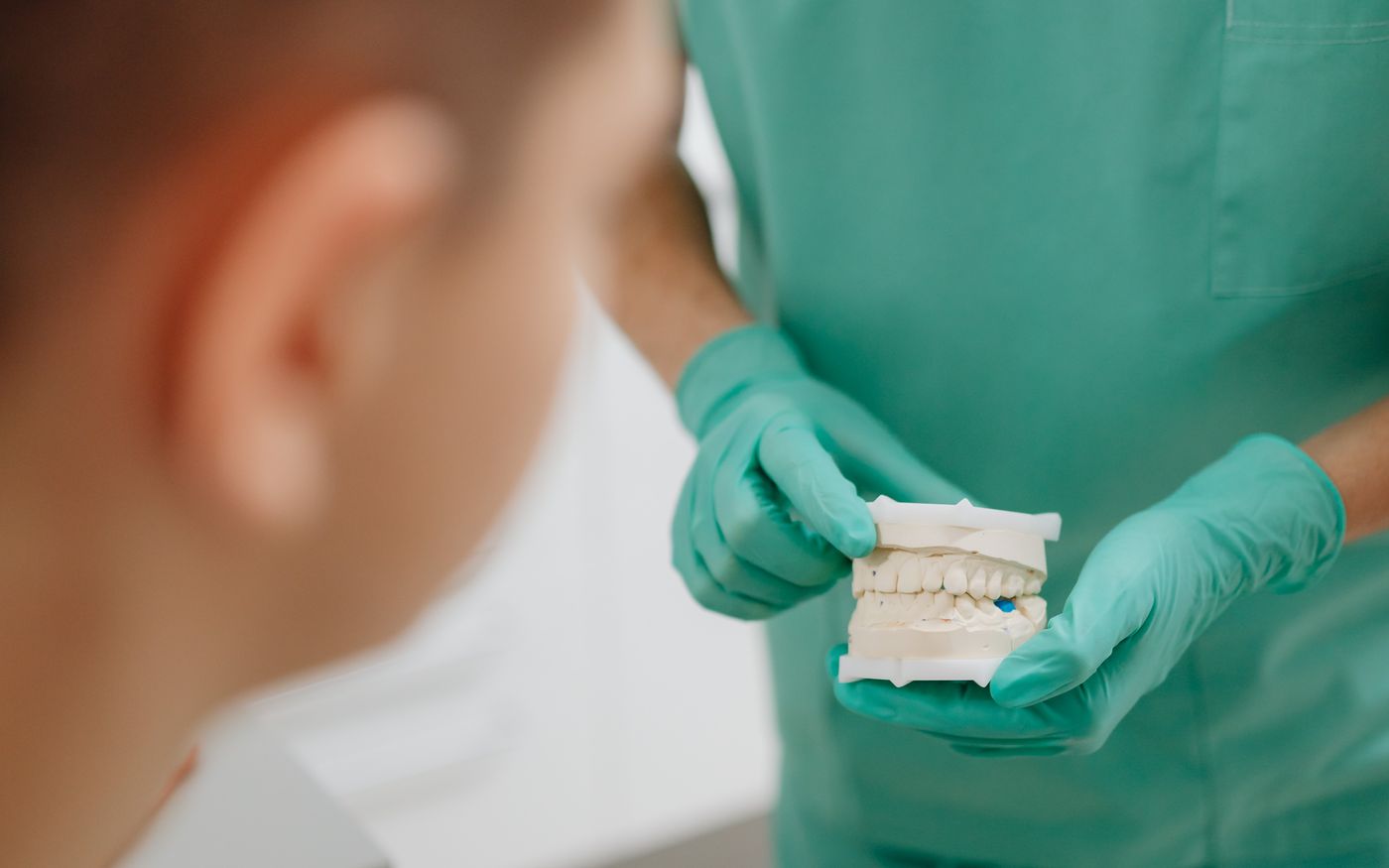
Quick answer: A bone graft may be needed if the jawbone at the planned site is too narrow or too shallow to hold an implant securely in the right position. A small graft may be possible during implant placement. A larger graft may need time to heal first. Alternatives can include a shorter implant or a tooth-supported bridge.
Reviewed by Dr. Kant Oektem. Last updated: November 2026.
Key points
- The planned crown guides where the team checks the available bone.
- Your dentist assesses whether the site mainly lacks bone height or width.
- Combining a graft with implant placement depends in part on how securely the implant can sit in existing bone.
- A shorter implant may suit selected sites with limited bone height.
- With a staged approach, the team checks the healed graft before placing the implant.
The planned crown guides the examination
Editorially checked against current clinical sources. Updated: November 2026.
Your dentist starts by considering where the replacement tooth needs to sit. The team checks bone width and height at that site, alongside the position of neighbouring roots, the sinus in the upper jaw or the nerve in the lower jaw. Gum health and how your teeth meet also matter.
The assessment includes appropriate X-rays. A 3D scan may be needed when examination and standard X-rays do not answer the planning questions. Our implant planning guide outlines the steps from assessment to fitting the crown.
A single procedure or a graft that heals first
If only a small area needs building up and the implant can sit securely in existing bone, your dentist may be able to add graft material at the same appointment. When the defect is larger or the remaining bone cannot hold the implant securely, a graft may need to heal before implant placement. A wound check alone cannot tell the team whether the bone is ready.
Depending on the defect, a graft can use your own bone or a bone substitute. The team may cover the graft with a membrane. In the back of the upper jaw, a sinus lift can make space for a graft if there is too little height below the sinus. Guy’s and St Thomas’ NHS gives three to six months as a typical healing period before implant placement in its patient leaflet. Your timing and visits depend on the procedure and checks. A graft can become infected or fail to provide enough bone. Either can mean revisiting the treatment plan.
Comparing a graft, a shorter implant and a bridge
A graft can make it possible to place an implant in the planned position while leaving healthy neighbouring teeth intact. A separate graft adds a procedure and healing time. Once the replacement tooth is in place, daily cleaning and regular reviews still matter. Our guide to inflammation around implants explains follow-up.
A shorter implant may avoid a sinus lift in selected sites at the back of the upper jaw. The site still needs enough bone width and stability, a suitable implant position and a crown you can clean. Shortening the implant does not solve a narrow ridge on its own.
A tooth-supported bridge can avoid implant surgery and grafting. It needs suitable supporting teeth. Fitting a conventional bridge involves reshaping those teeth, and you need access to clean beneath the replacement tooth. See our comparison of crowns, bridges and implants and our guide to replacing several missing teeth for other options.
Health conditions and medicines to discuss
Smoking can slow wound healing. If you have diabetes, discuss blood sugar control and what it may mean for your treatment and follow-up. Tell your dentist about current or past bisphosphonate or denosumab treatment. German guidance advises avoiding a graft where possible or applying particularly strict assessment during antiresorptive therapy. Discuss any change to prescribed medicines with your treating team.
German clinical guidance advises against routine vitamin D testing or supplementation solely because an implant or bone graft is planned. Discuss testing or treatment with your clinician if there is a specific medical reason.
Preparing for the consultation and follow-up
Bring any existing X-rays, plans and an up-to-date medicines list to an implant consultation in Konstanz. Ask where bone is missing, whether the graft needs a separate visit and what might work without it. If you are travelling from Kreuzlingen or further away, contact the practice to discuss how follow-up visits would work.
Ask your treating team for instructions on caring for the wound and easing back into your usual activities. Attend the scheduled checks and ask them to show you how to clean your finished restoration.
FAQ
How can the dentist tell whether there is enough bone?
An examination and suitable X-rays help your dentist assess the bone at the planned implant site. The team looks at bone height and width and checks nearby structures such as the sinus or a nerve. A 3D scan can help if questions remain.
Can the graft and implant be placed at the same visit?
Sometimes. If the defect is small and enough existing bone can hold the implant securely, both steps may be possible together. If the site needs more rebuilding, the team may graft first, allow time for healing and check the bone before placing the implant.
How long does a bone graft take to heal?
After a separate graft, the team often waits several months before placing the implant. Timing depends on the procedure and how the graft heals. The team checks the site before moving ahead. The implant then needs its own time to bond with the bone.
What options could avoid a bone graft?
A shorter implant may fit some sites, provided there is enough stable bone and room for the planned restoration. A tooth-supported bridge can avoid implant surgery altogether when the neighbouring teeth are suitable. Ask how each choice affects cleaning and follow-up.
What symptoms should I report promptly after a bone graft?
Call your treating team or an urgent dental service for fever, worsening pain or bleeding that does not stop. Seek immediate medical help if you have trouble breathing or swelling that increases quickly and makes it hard to swallow.
Medical context and sources
These references support patient orientation and do not replace diagnosis, examination or individual treatment planning.
- Cambridge University Hospitals: Bone grafting and alternatives
- Guy’s and St Thomas’ NHS: Healing and risks
- Guy’s and St Thomas’ NHS: Aftercare and warning signs
- AWMF 083-005: Dental cone-beam imaging
- AWMF 083-025: Dental implants in people with diabetes
- AWMF 083-026: Dental implants and antiresorptive medication
- AWMF 083-055: Vitamin D in implant and graft surgery
- Thoma et al.: Randomised trial of short implants and sinus grafting (10 years)
Questions about treatment planning?
Or call us: +49 (0)7531 955555
Related treatment: Dental implants in Konstanz