
Inflamed Gum Around a Wisdom Tooth: What to Do Next
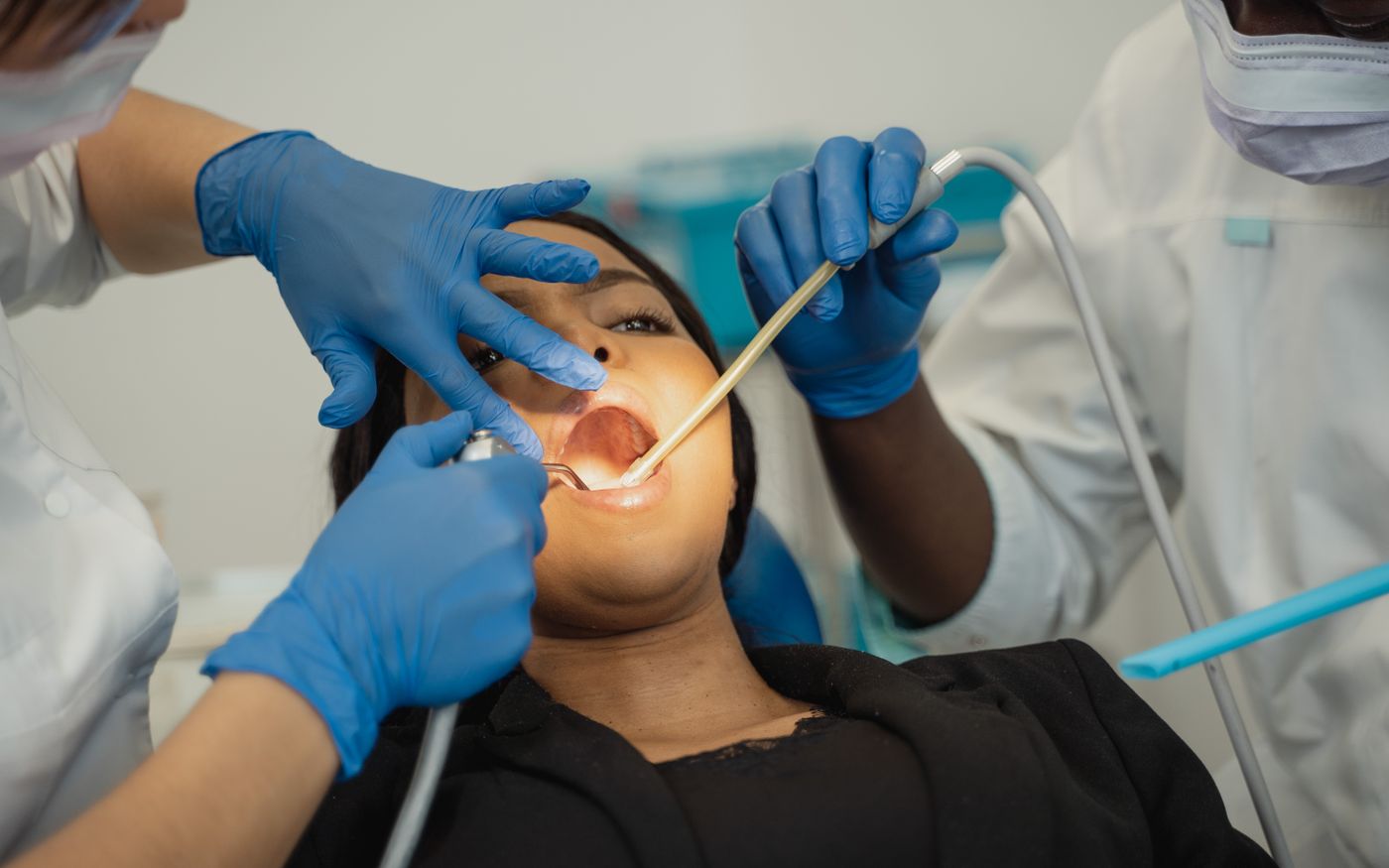
Quick answer: Inflamed gum around a partly erupted wisdom tooth is often called pericoronitis. A gum flap can trap plaque and food debris. Arrange a timely dental examination for pain, swelling or limited opening. Until then, clean gently, choose soft foods and take facial swelling, fever, or breathing and swallowing problems seriously.
Reviewed by Dr. Kant Oektem. Last updated: August 2026.
Key points
- Pericoronitis commonly affects gum tissue around a partly erupted wisdom tooth.
- Plaque and food trapped beneath a gum flap can contribute to irritation and infection.
- Gentle cleaning and timely dental assessment are sensible; an online article cannot diagnose the cause.
- Antibiotics are not automatic and depend on the examination, spread and general health.
- Rapid swelling, fever, or difficulty breathing or swallowing needs urgent help.
What can cause inflammation around a wisdom tooth
When a wisdom tooth erupts only partly, a flap of gum or oral tissue may remain over it. The area can be hard to clean, allowing plaque and food debris to collect. Tooth position, lack of space, decay in the wisdom tooth or neighbouring tooth, and other infections can also be involved.
Pericoronitis is the term used for inflammation of tissue around an erupting or partly erupted wisdom tooth. That label does not identify the cause in an individual patient, because pain behind the last molar can have several explanations.
- A partly erupted wisdom tooth with a gum flap.
- Plaque or food in a difficult-to-clean pocket.
- Pressure, an awkward position or limited space in the jaw.
- Decay, an abscess or another infection as an alternative cause.
Symptoms that may occur
Possible symptoms include tenderness, pain when chewing, red or swollen gum, an unpleasant taste and bad breath. Some people find it harder to open the mouth. Symptom intensity does not reliably show how urgent the underlying problem is.
Fever, increasing facial swelling, feeling very unwell or difficulty swallowing can indicate a more extensive infection and should not be watched at home. Breathing difficulty requires immediate medical help.
What you can do before the examination
Clean the area gently with a soft toothbrush if this is possible without causing marked irritation. Drink enough and choose soft foods for a short time. Use pain medicine only according to the label and your personal contraindications; a dentist or pharmacist can advise on your situation.
Do not press on the swelling or try to remove tissue or the wisdom tooth yourself. Mouth rinses and other products do not replace an examination. Arrange a timely appointment when symptoms persist or increase.
- Brush gently and do not scrub the area forcefully.
- Choose soft foods and drink enough fluids.
- Do not puncture a swelling or remove tissue yourself.
- Use medicines only when suitable for your situation and the label.
When to contact the practice urgently
Contact the dental practice promptly for increasing pain, swelling, a bad taste, fever, limited mouth opening or feeling unwell. Pericoronitis is among the acute dental conditions that may need urgent assessment rather than a routine check-up.
Rapidly increasing swelling in the face or mouth, difficulty breathing or swallowing, clear spread of infection or severe illness requires immediate medical help. Do not wait for a routine appointment in these situations.
How the dentist assesses the cause and next step
The examination includes the affected area and neighbouring teeth. Depending on the findings, the team may clean or irrigate the area, assess swelling and mouth opening, and consider an X-ray. The aim is to understand the cause and extent, not to plan removal automatically.
Whether the wisdom tooth is monitored, treated locally or removed later depends on its position, cleanability, symptoms, damage and recurrent inflammation. One mild episode does not automatically mean that a healthy, symptom-free tooth must be removed.
Related guides from the practice
You may also find our guides to dental abscess warning signs, dental emergencies, local anaesthetic, tooth extraction aftercare, dental X-rays and contacting the practice useful. These guides support preparation but do not replace an examination.
FAQ
What is pericoronitis?
Pericoronitis is inflammation of the gum or oral tissue around an erupting, often partly visible wisdom tooth. A gum flap can hold plaque and food debris. An examination is needed to identify the individual cause and decide what care is appropriate.
What can I do for inflamed gum around a wisdom tooth?
Clean the area gently, choose soft foods for a short time and arrange a timely dental appointment if symptoms persist or increase. Do not press on a swelling or remove tissue yourself. Fever, spreading swelling or swallowing problems need urgent assessment.
Do I need antibiotics for wisdom tooth inflammation?
Not every local inflammation needs an antibiotic. The decision depends on the examination, spread of infection and general health. Local dental care may be central. Do not take leftover antibiotics, and seek urgent assessment for swelling, fever or feeling very unwell.
Does an inflamed wisdom tooth always need to be removed?
No. The dentist considers position, cleanability, damage, severity, recurrence and possible alternatives. Removal may become reasonable for repeated or severe problems, but it is not an automatic consequence of one episode of inflammation.
When is wisdom tooth inflammation an emergency?
Immediate help is needed for rapidly increasing swelling, breathing or swallowing difficulty, clear spread, severe illness or a mouth that can barely open. For less severe but worsening symptoms, contact the dental practice promptly for an urgent assessment.
Medical context and sources
These references support patient orientation and do not replace diagnosis, examination or individual treatment planning.
- NHS: Wisdom tooth removal
- NHS England: Unscheduled urgent and non-urgent dental care
- NHS Lanarkshire Right Decisions: Pericoronitis guidance
- UCLH NHS: Wisdom tooth surgery and pericoronitis
- NICE: Guidance on the extraction of wisdom teeth
- NHS London: Pericoronitis gum inflammation factsheet
- Newcastle Hospitals NHS: Surgical removal of teeth