
Local Anaesthetic at the Dentist: What Patients Should Know
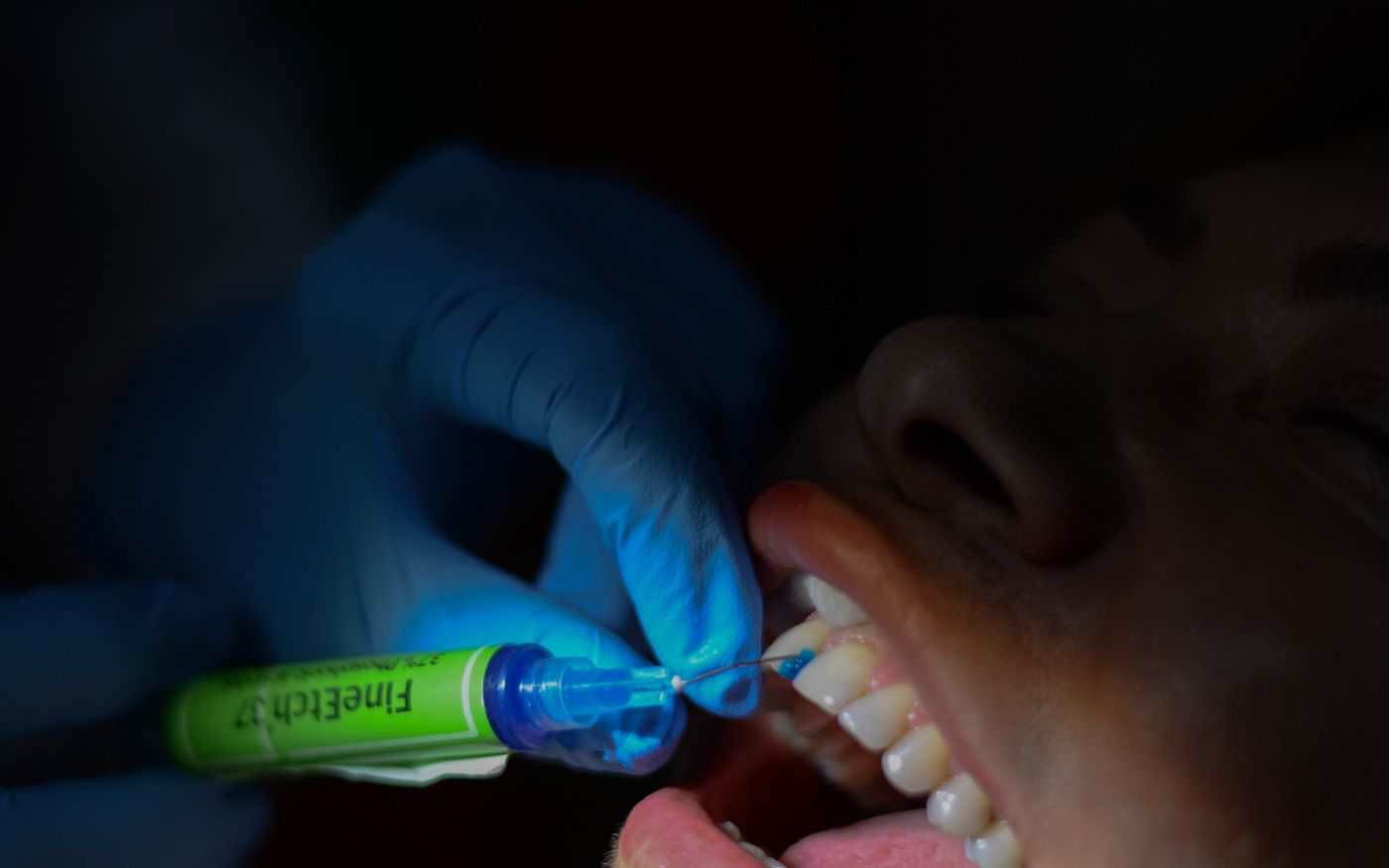
Quick answer: Local anaesthetic at the dentist temporarily reduces sensation in a limited area while you remain awake. Tell the practice about allergies, medicines, medical conditions and pregnancy before treatment. Afterwards, protect your lips, cheeks and tongue until feeling returns, and ask for medical advice if numbness or other symptoms last longer than expected.
Reviewed by Dr. Kant Oektem. Last updated: July 2026.
Key points
- Local anaesthetic temporarily blocks nerve signals in a limited treatment area.
- Duration and spread depend on the medicine, technique and area being treated.
- Biting injuries and burns are easier to miss while the mouth is numb.
- Allergies, medicines, medical conditions and pregnancy belong in the pre-treatment discussion.
- Persistent numbness, weakness or breathing and swallowing problems need medical assessment.
What local anaesthetic does
A local anaesthetic is placed near the nerves that carry sensation from the treatment area. You remain conscious. Depending on the procedure, you may still notice pressure, movement or touch; sharp or increasing discomfort should be reported straight away.
Numbness usually develops within a few minutes. The German National Association of Statutory Health Insurance Dentists describes complete recovery as roughly half an hour to three hours depending on the medicine and technique. Your actual duration can differ, so follow the practice’s instructions.
- The numb area may include a tooth, gum, lip, cheek, tongue or part of the jaw.
- The dentist checks the effect before starting the planned treatment.
- Local anaesthetic is different from sedation or general anaesthesia.
What to tell the practice before the injection
The dental team chooses the medicine and amount with the procedure and your health in mind. Mention any unusual previous reaction or unusually long-lasting numbness. Prescription medicines, over-the-counter products and supplements may also matter for the discussion.
- Known allergies or previous reactions to medicines.
- Regular medicines, blood thinners and relevant medical conditions.
- Pregnancy, breastfeeding or trying to become pregnant.
- Dental anxiety, so communication and breaks can be planned together.
How to communicate during treatment
Agree on a hand signal for a pause before treatment begins. If you still notice sharp sensation or the effect feels incomplete, tell the dentist immediately. The team can check the area, allow more time or adjust the anaesthetic approach when medically appropriate.
Anaesthetic does not remove the cause of a dental problem. It only supports an examination or treatment in a limited area. Diagnosis, alternatives and consent should be discussed clearly before the procedure starts.
After treatment: protect your mouth
While your lips, cheeks or tongue are numb, bites and very hot food or drinks are easier to miss. Wait before chewing until sensation has mostly returned, or follow the specific advice from the practice. If you also had an extraction or another procedure, those aftercare instructions take priority.
Move carefully and plan travel or driving as the practice advises. Local anaesthetic is not the same as general anaesthesia, but temporary numbness and the treatment itself can still affect everyday safety for a short time.
When to ask for advice afterwards
Mild injection-site soreness, pressure or tingling as the medicine wears off can be temporary. Contact the practice or an appropriate medical service if numbness, weakness or pins and needles continue much longer than you were told to expect.
Breathing difficulty, increasing swelling of the mouth or face, fainting or trouble swallowing are urgent warning signs. Call emergency services immediately in that situation. Online information cannot replace an examination or your individual post-treatment instructions.
Related pages from the practice
You may also find our pages about bruxism and night guards, dental fillings, dental emergencies, tooth extraction aftercare, the dental FAQ and contacting the practice useful.
FAQ
How long does local anaesthetic last at the dentist?
Numbness usually starts within a few minutes. Depending on the medicine, technique and treatment area, it may last roughly half an hour to three hours; lips, cheeks and tongue may recover at different speeds. Your dental practice can give the most relevant individual guidance.
Can I eat after local anaesthetic?
While your mouth, lips or tongue are numb, wait before chewing and avoid very hot food or drinks. Otherwise you may bite yourself or burn your mouth without noticing. After another procedure, follow the specific aftercare instructions given by the practice.
What if the local anaesthetic does not work enough?
Tell the dentist immediately if you notice sharp sensation or increasing discomfort. The team can check the effect, allow more time or adjust the anaesthetic approach. Do not try to judge the cause yourself, because inflammation, treatment area and technique may all affect the result.
Can local anaesthetic cause side effects?
Temporary tingling, injection-site soreness, minor bruising, dizziness or headache can occur. Serious reactions are rare. Seek medical advice promptly for persistent numbness, weakness, breathing difficulty, marked swelling or any symptom that worries you after treatment.
What should I tell the dentist before local anaesthetic?
Tell the practice about allergies, previous reactions, all medicines, blood thinners, relevant medical conditions, pregnancy or breastfeeding. Also mention unusually long-lasting numbness or significant dental anxiety, so the appointment can be planned safely and communication can be clear.
Medical context and sources
These references support patient orientation and do not replace diagnosis, examination or individual treatment planning.
- NHS: Local anaesthetic
- NHS inform: Local anaesthetic
- American Dental Association: Anesthesia and sedation
- Cleveland Clinic: Local anesthesia
- KZBV: How local anaesthesia works
- Guy’s and St Thomas’ NHS: Local or regional anaesthetic