
Loose Adult Tooth: What to Do Next in Konstanz
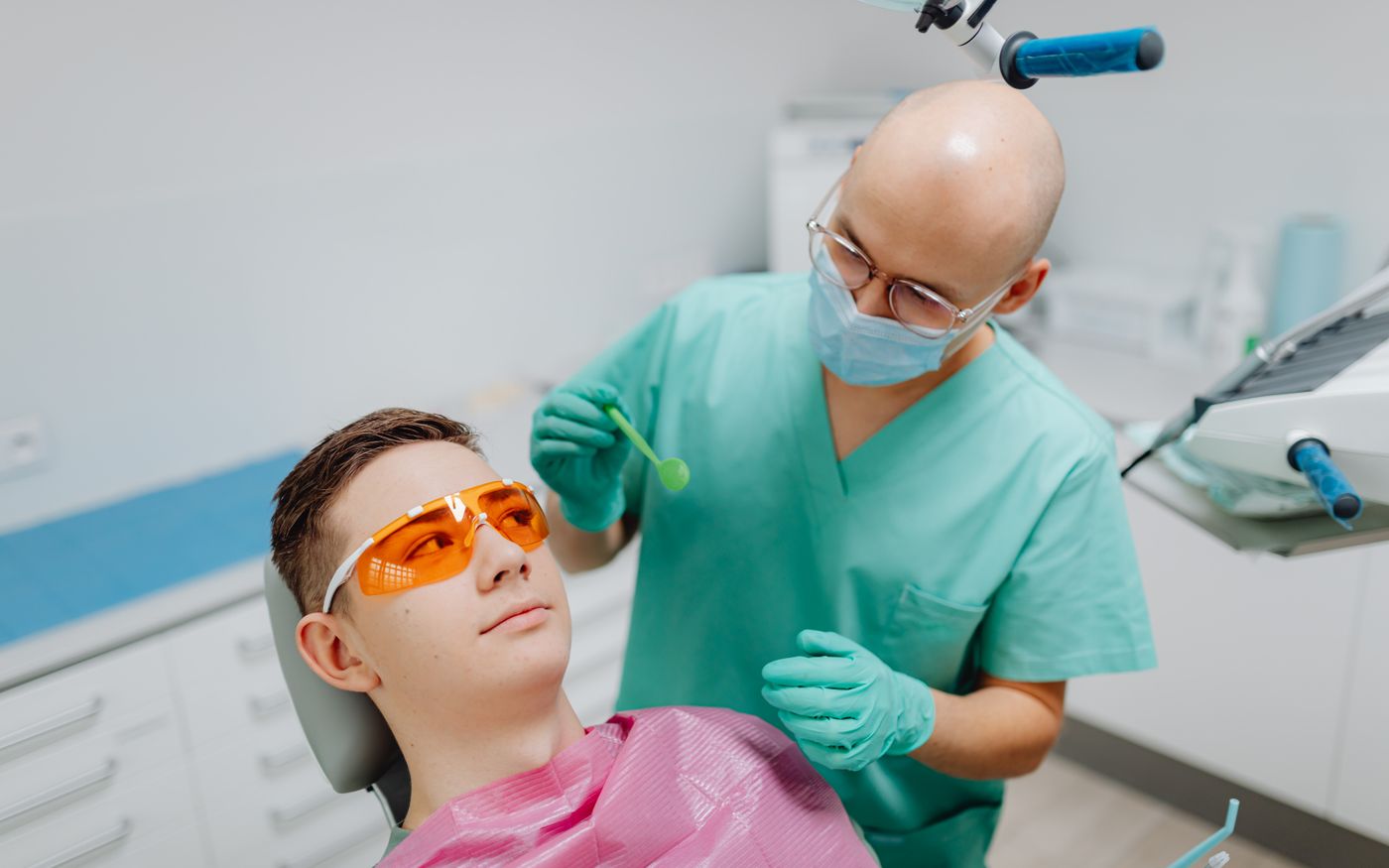
Quick answer: A loose permanent tooth in an adult should be assessed by a dentist, even when pain is mild. Gum or supporting-tissue disease is one possible cause; an injury can also loosen a tooth. Until the appointment, do not pull or repeatedly test it, avoid hard biting, and seek urgent help for swelling, fever, uncontrolled bleeding, or breathing or swallowing problems.
Reviewed by Dr. Kant Oektem. Last updated: August 2026.
Key points
- A loose permanent tooth in an adult should be assessed by a dentist.
- Periodontitis can weaken the supporting tissues and make teeth mobile.
- A loose or displaced tooth after an injury needs timely dental review.
- Do not repeatedly move the tooth or load it with hard biting before assessment.
- Severe swelling, fever, uncontrolled bleeding, or breathing and swallowing problems need urgent help.
Why a permanent tooth can become loose
A permanent tooth is supported by the gums, periodontal fibres and bone around its root. Inflammation such as periodontitis can damage these supporting structures over time. Possible accompanying signs include bleeding gums, gum recession, persistent bad breath or a changed bite, but significant pain is not required for a problem to be present.
An accident, unusual bite force, teeth grinding, inflammation near the tooth, decay or another local change can also contribute. The sensation alone cannot identify the cause. A newly mobile tooth should therefore be examined rather than repeatedly tested at home.
- Inflammation of the gums or supporting tissues.
- An injury after a fall, blow or sports incident.
- Unusual loading from the bite or grinding.
- Infection, decay or another local dental cause.
Which accompanying signs matter
Tell the practice if the gums bleed, look swollen or have receded. Also mention pus or a bad taste, persistent bad breath, pain when chewing, a new gap or a change in how the teeth meet. These signs do not prove one diagnosis, but they help the dental team assess the situation and its urgency.
A tooth that becomes loose suddenly after an injury is assessed differently from slowly increasing mobility without a clear accident. Note when it started, what triggered it, which tooth is involved and what other symptoms you have. If the tooth is nearly coming out or chewing is significantly affected, do not wait for a routine check-up.
What you can do before the appointment
Do not deliberately move the tooth and do not try to pull or splint it yourself. Chew on the other side for a short time and choose softer foods if the area is tender. Continue brushing carefully, but do not scrub the mobile area aggressively. This advice does not replace an examination.
After an injury, contact the dental practice as soon as possible and describe exactly what happened. Pain medicine is only suitable when it fits your personal situation and is used according to the label. Do not place tablets or other products directly on the tooth or gum.
- Do not wiggle, pull or self-splint the tooth.
- Avoid hard biting and chewing on the affected side.
- Continue gentle brushing and suitable interdental cleaning.
- Tell the practice when and how an injury occurred.
When a loose tooth needs urgent assessment
Contact the dental practice promptly for increasing mobility, severe pain, swelling, pus or a bad taste, fever, bleeding or a clear change in chewing. A loose tooth after an injury also needs timely review. The urgency depends on the findings, the injury, pain and your general health.
Get immediate medical help for rapidly increasing swelling in the mouth, face or neck, breathing or swallowing problems, bleeding that cannot be controlled or severe illness. These warning signs may indicate a situation that should not wait for a routine appointment.
How the dentist checks the cause
The appointment usually starts with questions about onset, injury, pain, bleeding, medicines and general health. The dentist then checks the tooth, gums, mobility, bite and neighbouring areas. Depending on the clinical question, they may measure gum pockets or take dental X-rays to assess bone, the root area and possible injury effects.
Further care depends on the cause and the condition of the tooth. Options may include targeted gum treatment, review after an injury, reducing harmful loading or treating an infection. Whether the tooth can be maintained should be assessed from the examination and follow-up, not promised from an online description.
Related guides from the practice
You may also find our guides to gum recession and exposed roots, periodontitis, dental emergencies, dental abscess warning signs, pain when biting and contacting the practice useful. These guides support preparation but do not replace an examination.
FAQ
Is a loose adult tooth normal?
No. A small amount of natural movement can occur, but a newly or clearly loose permanent tooth should be assessed. Gum and bone problems, injury or another local cause may be involved, even when there is little pain at first.
Can a loose tooth become firm again?
That depends on the cause, the degree of movement and the tissues involved. Mobility can change after an injury or when gum problems receive appropriate care. A personal outlook requires an examination, possible X-rays and sometimes a follow-up assessment.
What should I avoid with a loose tooth?
Do not repeatedly test the tooth, pull it or try to splint it yourself. Avoid hard loading on that side, continue gentle oral hygiene and arrange dental care for new or increasing movement. Do not place medication directly on the tooth or gum.
When is a loose tooth an emergency?
Immediate help is needed for breathing or swallowing problems, rapidly increasing swelling, uncontrolled bleeding or severe illness. After an injury, with severe pain or when the tooth is nearly out, contact the dental practice promptly for urgent assessment.
How does a dentist examine a loose tooth?
The dentist asks about onset, injury, pain and medical history, then checks the tooth, gums, mobility, bite and neighbouring teeth. Depending on the clinical question, gum-pocket measurements or dental X-rays may be used. The findings guide the next step.
Medical context and sources
These references support patient orientation and do not replace diagnosis, examination or individual treatment planning.
- gesund.bund.de: Gum inflammation and periodontitis
- KZBV: Periodontitis causes and effects (German patient guidance)
- NHS: Gum disease
- NIDCR: Periodontal (gum) disease
- ADA MouthHealthy: Gum disease
- NHS England: Unscheduled urgent and non-urgent dental care
- zahn.de: Periodontitis (German patient guidance)