
Zirconia or Full Ceramic: Differences for Dental Restorations
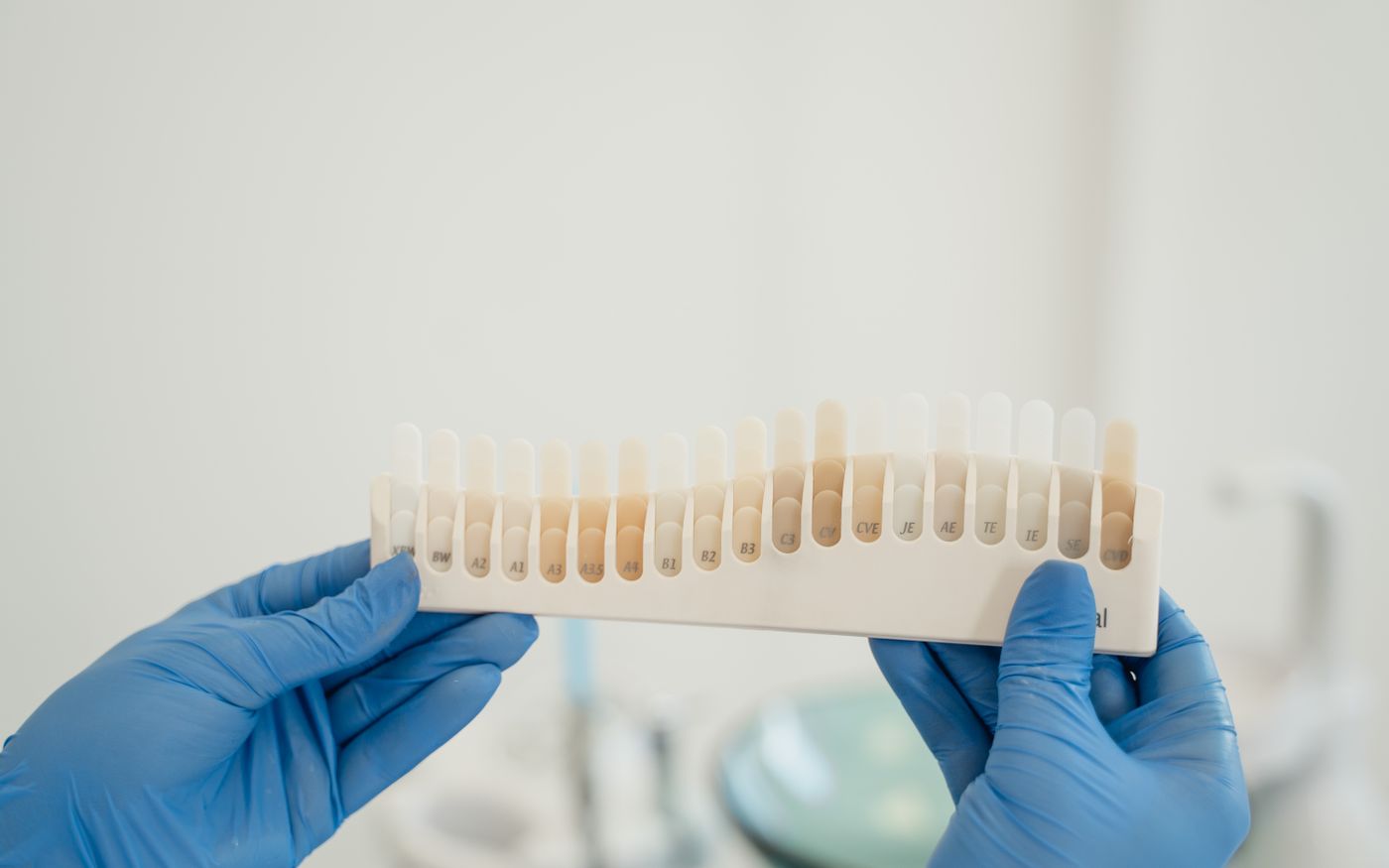
Quick answer: Zirconia is itself a dental ceramic, so it is not the opposite of an all-ceramic restoration. The useful comparison is usually between zirconia, glass ceramics, and monolithic or layered designs. Tooth position, remaining structure, bite load, space, shade goals, bonding and cleaning access determine which restoration may fit. Examination and a specific design come first.
Reviewed by Dr. Kant Oektem. Last updated: September 2026.
Key points
- Zirconia is an all-ceramic material; the comparison concerns ceramic classes and restoration designs.
- Tooth position, defect, remaining structure, space and bite load define the material requirements.
- Monolithic and layered restorations differ in construction, appearance and possible technical complications.
- Shade, underlying tooth colour, material thickness and bonding must be planned together.
- Cleaning, margin checks and bite review remain important for every ceramic restoration.
Clarifying the material names
All ceramic describes a restoration without a metal framework. It includes several material groups. Zirconia is an oxide ceramic, while glass ceramics such as lithium disilicate form another group. The more precise question is which ceramic and construction suit the planned restoration.
Zirconia also comes in variants with different optical and mechanical properties. A material name alone cannot show whether a crown, partial crown or bridge is suitable for a particular tooth.
- Do not confuse zirconia with zirconium metal.
- Separate oxide ceramics from glass ceramics.
- Discuss monolithic and layered construction separately.
- Check the exact product indication for the planned design.
Clinical findings define the requirements
Before selecting a material, the dentist assesses decay, cracks, existing fillings, remaining tooth structure, gums, roots and bite. The front or back position, restoration size and available space also affect the design.
Heavy clenching or grinding, limited space, unfavourable loading or a longer bridge can change the requirements. No material wins by default. Material, shape, thickness, surface finish and bonding must work as one system.
- Record the defect and sound remaining tooth structure.
- Assess bite, space and possible grinding load.
- Check gum health and accessible restoration margins.
- Do not treat partial crowns, single crowns and bridges as the same question.
Zirconia in the material comparison
Zirconia can be used as a monolithic restoration or as a framework covered with another ceramic. It is tooth coloured, but its translucency varies by formulation. More translucent zirconia variants can have different mechanical properties from classic, more opaque zirconia.
A layered design has a framework and an outer ceramic layer, which can create separate technical complications. A monolithic design removes that veneer interface, but material choice, shape, polish, bite and bonding still remain critical.
Glass ceramics in the material comparison
Glass ceramics can offer high translucency and natural colour depth. Depending on the specific material and findings, they are used for veneers, inlays, onlays, partial crowns or crowns. Bite load, material thickness, tooth preparation and bonding limit the possible use.
Appearance does not come from the ceramic alone. The underlying tooth or core, neighbouring teeth, light, surface texture, thickness and laboratory design work together. A shade tab therefore supports but does not replace complete planning.
A neutral comparison using five criteria
The decision should compare findings, tooth preservation, loading, appearance, treatment effort and maintenance. A smaller defect may allow a partial restoration, while a weakened tooth can require a different design. The most conservative suitable option is not automatically the thinnest or brightest material.
Zirconia may suit some load and construction requirements. A glass ceramic may fit other defects and appearance goals. Insufficient tooth structure, an unfavourable bite, limited space, active disease or an unsuitable bonding situation can rule out a plan.
- Findings: which sound tooth structure and support remain?
- Preservation: which suitable design needs less tooth removal?
- Effort: which preparation, production and visits are needed?
- Care: can margins and spaces be cleaned long term?
- Limits: which load or disease argues against the design?
Appointments, production and bonding
The process may include examination, imaging when indicated, preparation, a scan or impression, shade selection, laboratory or CAD/CAM production, try-in, bonding and review. Some restorations can be made in one visit; others need laboratory work and a temporary restoration.
Bonding depends on the ceramic, preparation and clinical situation. Some restorations need adhesive bonding, while some constructions can be conventionally cemented. The treatment plan should explain the chosen material and bonding method together.
Care, reviews and warning signs
Ceramic cannot develop tooth decay, but the natural tooth at the margin can. Brush twice daily with fluoride toothpaste, clean between teeth with suitable aids and attend individual reviews. Do not use restored teeth to open hard objects.
Arrange a prompt check for new pain, marked pain on biting, movement, a sharp fractured edge, swelling or a chipped layer. Rapidly increasing swelling or difficulty breathing or swallowing needs immediate medical help.
Questions for the material consultation
Ask for the exact ceramic name, whether the design is monolithic or layered, why it is recommended and which alternatives remain. Preparation, bonding, temporary care, maintenance, repair limits and the individual estimate also belong in the discussion.
Related guidance covers dental treatments, CEREC crowns, fillings, inlays, onlays and crowns, restoration options, dental second opinions, teeth grinding and contacting the practice.
FAQ
Is zirconia the same as all ceramic?
Zirconia is one type of all-ceramic material, not its opposite. All-ceramic restorations include different groups such as zirconia and glass ceramics. Monolithic and layered designs also differ. The exact ceramic, construction, tooth position, bite and bonding method all matter.
Which ceramic suits front or back teeth?
Translucency, underlying colour and shade matching can matter greatly for front teeth, while back teeth often face higher chewing loads. Position alone is not enough. The defect, remaining structure, space, bite, design and approved indication for the material must be assessed together.
Is zirconia always stronger than glass ceramic?
Not as a universal treatment rule. Zirconia variants and glass ceramics have different mechanical and optical properties. Thickness, shape, polish, bonding and bite also affect the restoration. One strength value cannot select the right ceramic for every tooth or bridge.
How are shade and natural appearance planned?
Planning considers neighbouring teeth, the underlying tooth or core, material thickness, translucency, surface texture, lighting and cement shade. A shade assessment helps, but the final appearance results from the material, restoration design, laboratory work and clinical try-in together.
When should a ceramic restoration be checked?
The review interval depends on gum health, decay risk, bite, grinding and restoration type. Arrange an earlier visit for pain, biting discomfort, movement, a sharp edge or chipping. Swelling with fever or any breathing or swallowing difficulty requires urgent help.
Medical context and sources
These references support patient orientation and do not replace diagnosis, examination or individual treatment planning.
- KZBV: Crowns and all-ceramic restorations
- DGZMK: Patient guideline on all-ceramic restorations
- AWMF: All-ceramic crowns and bridges guideline update
- American Dental Association: Materials for indirect restorations
- Leeds Teaching Hospitals NHS: Crowns
- Healthdirect Australia: Dental crown procedure
- KZBV: Dental restorations from application to billing
- NHS: Dental treatments