
Oral Cancer Warning Signs: When a Dental Check Matters
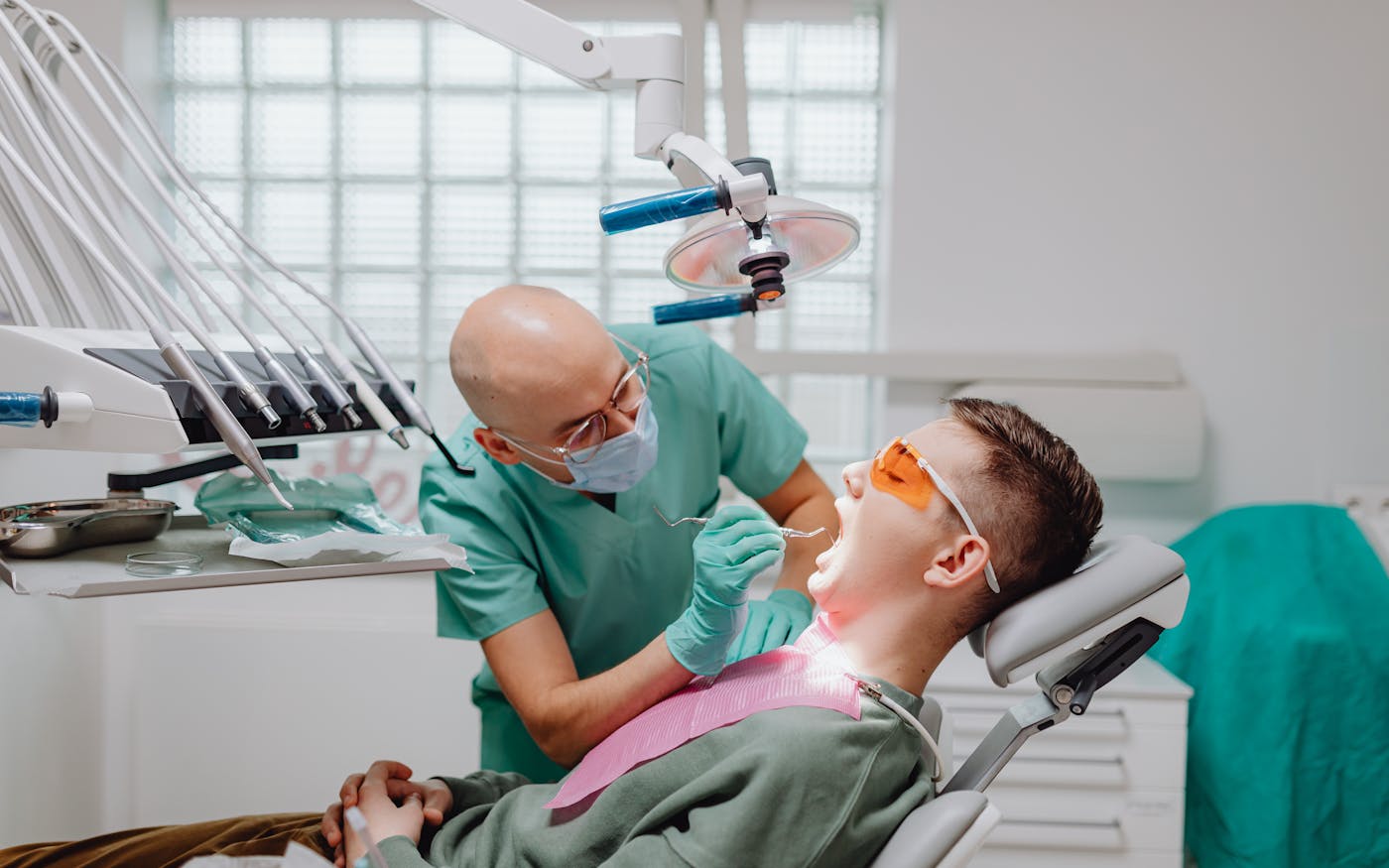
Quick answer: A mouth change should be checked if it lasts more than about two to three weeks, bleeds, feels firm, grows or appears as a red, white or mixed patch. This does not automatically mean cancer. A dental visual and tactile examination helps distinguish common causes from findings that need further assessment.
Reviewed by Dr. Kant Oektem. Last updated: June 2026.
Key points
- Persistent sores, red or white patches, lumps and unexplained bleeding should be checked.
- Mouth cancer can affect the lips, tongue, floor of mouth, cheeks, palate or throat area.
- Tobacco, heavy alcohol use, HPV, strong sun exposure on the lips and weakened immunity can increase risk.
- A dental check is not an online diagnosis, but it can document suspicious areas and guide referral.
- Breathing difficulty, major swallowing problems, rapid swelling or heavy bleeding need urgent medical help.
Mouth changes worth noticing
Many sore areas in the mouth come from cheek biting, sharp edges, denture pressure, infections or irritation and then settle. A check becomes more important when an area persists, returns, enlarges or behaves differently than usual.
Patients should pay attention to changes that are not clearly explained by a minor injury or that remain despite avoiding irritation. Photos can help document development, but they do not replace an examination.
- Red, white or red-white patches that do not go away.
- A sore or ulcer that remains for longer than expected.
- A firm lump, thickened area or unexplained swelling.
- Bleeding, numbness, burning or a foreign-body feeling without a clear cause.
- Changes in speech, chewing, swallowing or denture fit without an obvious reason.
Why a check does not mean cancer is likely
Most mouth changes have causes other than cancer. A dental check still matters because irritation, fungal infection, inflammation, trauma and potentially serious tissue changes can sometimes look similar at first.
The goal is a calm assessment: where the change is, how it looks, how it feels, how long it has been present and which triggers are plausible. That information helps decide whether monitoring, local treatment or referral is appropriate.
What the dentist usually examines
During the check, the lips, cheeks, tongue, floor of mouth, palate, gums and reachable throat areas can be inspected. The dentist may also feel whether an area is firm and whether neck lymph nodes seem unusual.
Teeth, fillings, crowns, denture borders and sharp edges are also considered because mechanical irritation can change mouth tissues. If a finding remains unclear, referral to an oral and maxillofacial or medical specialist may be sensible.
Risk factors and everyday awareness
Tobacco in any form and regular heavy alcohol use are among the most important modifiable risk factors. HPV infection, strong ultraviolet exposure on the lips and a weakened immune system can also matter depending on the situation.
Risk factors do not prove that a specific mouth change is cancer. The reverse is also true: people without known risk factors can still develop concerning findings. The actual change in the mouth is what needs assessment.
- Smoking, chewing tobacco and other tobacco products increase risk.
- Alcohol and tobacco together raise risk further.
- Lips should be protected during strong sun exposure.
- Regular dental checks can help notice changes earlier.
When to book a prompt appointment
Book a check if a mouth change lasts more than two to three weeks, keeps returning or clearly changes. This is especially important with red or white patches, lumps, bleeding, numbness, one-sided symptoms or problems chewing, speaking or swallowing.
Do not wait for a routine appointment if there is breathing difficulty, fast-growing swelling, heavy bleeding or marked swallowing difficulty. Those situations need urgent medical care.
Related topics at the practice
These guides may also help: mouth ulcers, dry mouth, bad breath, denture sore spots, professional dental cleaning, the dental FAQ or contacting the practice.
FAQ
When should a mouth sore be checked?
Book a check if a sore lasts more than two to three weeks, grows, bleeds, feels firm or keeps returning. One-sided symptoms, numbness or red and white patches should also be assessed in person rather than judged online.
Is every white patch in the mouth dangerous?
No. White patches can come from irritation, fungal infection, coating, trauma or pressure. If a patch cannot be wiped away, persists, feels rough or appears with red areas, a dental examination is sensible.
Can a dentist rule out oral cancer completely?
A dental visual and tactile examination can identify and assess concerning findings, but unclear areas may need further diagnosis. If a change remains suspicious, referral or a tissue sample through a specialist service may be needed.
Which risk factors matter most?
Tobacco, regular heavy alcohol use, HPV, strong sun exposure on the lips and weakened immunity can increase risk. Risk factors are not the whole story, so persistent mouth changes should be checked even without a known risk factor.
What should I note before the appointment?
Note when the change started, whether it is growing, bleeding, burning or affecting meals. Information about new dentures, sharp edges, medicines, tobacco, alcohol and earlier similar changes can help the dentist assess the situation.
Medical context and sources
These references support patient orientation and do not replace diagnosis, examination or individual treatment planning.
- NHS inform: Mouth cancer
- American Dental Association: Oral cancer
- Mayo Clinic: Mouth cancer
- NIDCR: Oral Cancer
- gesund.bund.de: Oral and throat cancer
- Deutsche Krebshilfe: Cancer in the mouth, jaw and face area